Johannes Hieronymus Kapsberger
Gagliardi 2 & 7
Released Album
Recent Album
Works Info
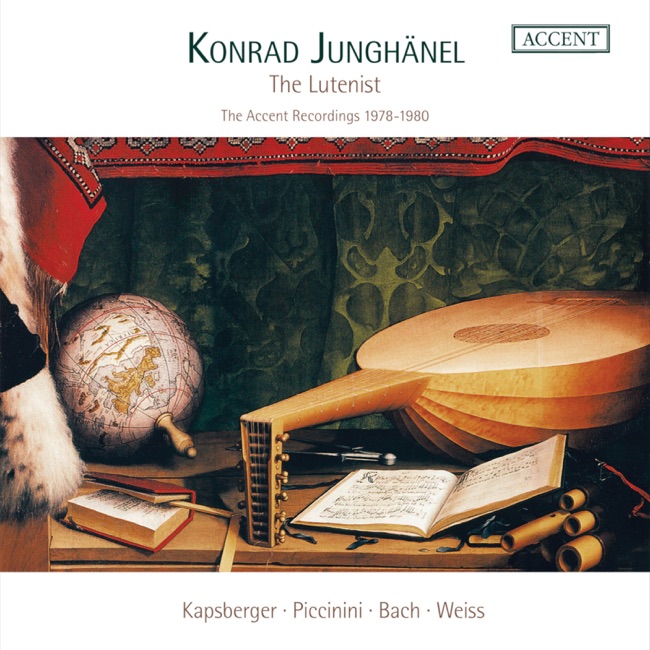
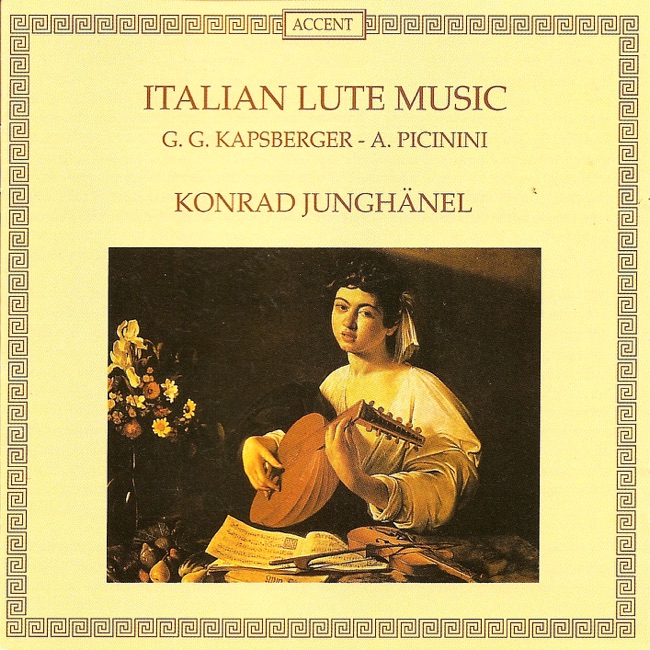
Composer:Johannes Hieronymus KapsbergerGenre:ChamberAverage_duration:2:16Johannes Hieronymus Kapsberger was an Italian composer and lutenist of German descent who lived from 1580 to 1651. He was a prominent figure in the Baroque era, known for his innovative compositions for the lute and theorbo. One of his most famous works is the set of pieces known as "Gagliardi 2 & 7." "Gagliardi 2 & 7" is a collection of two suites of dances for the theorbo, a large lute-like instrument with an extended bass range. The pieces were composed in the early 17th century and were likely intended for performance in the courts and salons of Italy. The first suite, "Gagliarda Seconda," consists of six movements: a prelude, allemande, courante, sarabande, gigue, and passacaglia. The prelude is a short, improvisatory piece that sets the mood for the suite. The allemande is a stately dance in quadruple meter, while the courante is a faster dance in triple meter. The sarabande is a slow, expressive dance in triple meter, and the gigue is a lively dance in compound meter. The passacaglia is a set of variations on a repeating bass line. The second suite, "Gagliarda Settima," also consists of six movements: a prelude, allemande, courante, sarabande, gigue, and chaconne. The prelude is similar in style to the first suite, while the allemande and courante are more complex and virtuosic. The sarabande is again slow and expressive, while the gigue is fast and lively. The chaconne is a set of variations on a repeating chord progression. Kapsberger's "Gagliardi 2 & 7" is notable for its use of complex harmonies and intricate counterpoint, as well as its virtuosic writing for the theorbo. The pieces are also notable for their expressive qualities, with Kapsberger using a variety of techniques to create a range of moods and emotions. The exact date of composition and premiere of "Gagliardi 2 & 7" is unknown, but it is believed to have been written in the early 17th century and would have been performed in the courts and salons of Italy. Today, the pieces remain popular among lutenists and early music enthusiasts, and are considered some of Kapsberger's finest works.More....
Works Music
Released Music