


Karl Ditters von Dittersdorf
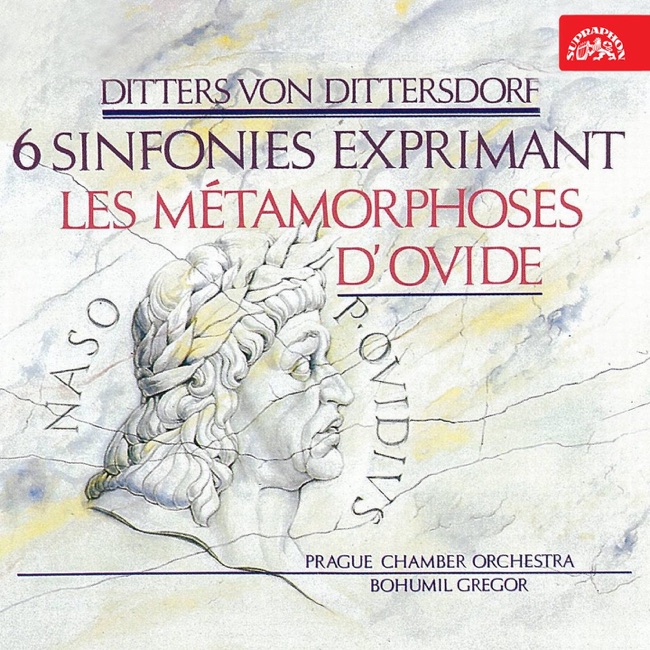
Symphony after Ovid's "Metamorphoses" No. 5 in A major "Verwandlung der Lycischen Bauern in Frosche"
Released Album
Recent Album
Works Info
Composer:Karl Ditters von DittersdorfGenre:SymphonyStyle:SymphonyCompose Date:1783Average_duration:21:51Movement_count:4Movement ....Karl Ditters von Dittersdorf's Symphony after Ovid's Metamorphoses No. 5 in A major, also known as Verwandlung der Lycischen Bauern in Frosche, was composed in 1780. The symphony premiered in Vienna, Austria, and was well-received by audiences and critics alike. The symphony is divided into four movements, each of which represents a different aspect of the story of the Lycian peasants who were transformed into frogs by the goddess Latona. The first movement, marked Allegro, is a lively and energetic depiction of the peasants before their transformation. The second movement, marked Andante, is a more somber and reflective piece that represents the peasants' realization of their new form as frogs. The third movement, marked Menuetto, is a playful and whimsical piece that represents the frogs' new life in their pond. The final movement, marked Allegro, is a triumphant and celebratory piece that represents the peasants' eventual release from their frog form. One of the most notable characteristics of this symphony is its use of programmatic music, which was a relatively new concept at the time. Dittersdorf's use of music to tell a story and evoke specific emotions was groundbreaking and helped to pave the way for future composers to explore this style. Overall, Symphony after Ovid's Metamorphoses No. 5 in A major is a masterful work that showcases Dittersdorf's skill as a composer and his innovative use of programmatic music. Its enduring popularity is a testament to its timeless appeal and its place in the canon of classical music.More....
Works Music
Released Music
1
2:12
2
7:44