Marc-Antoine Charpentier
Salve Regina à trois voix pareilles, H. 23
Released Album
Recent Album
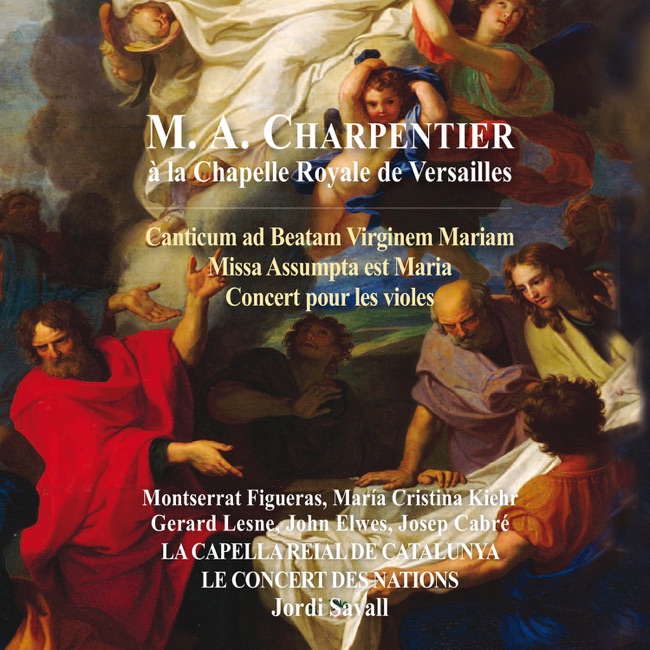
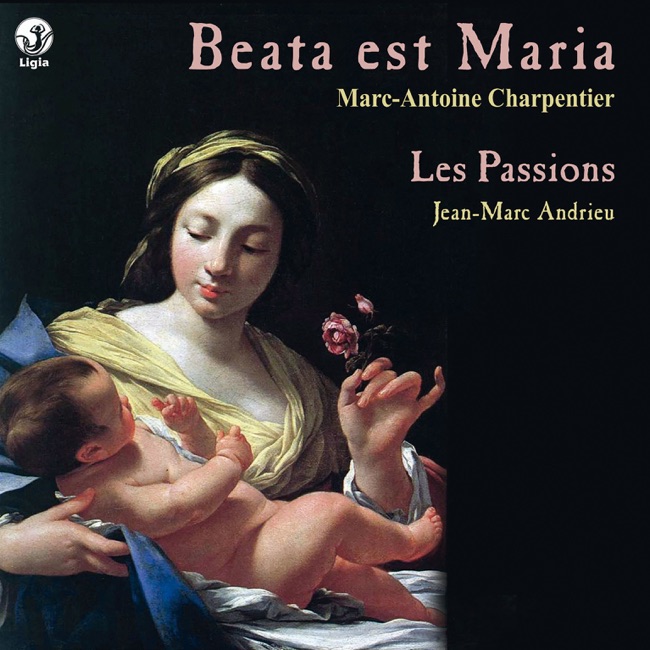
Works Info
Composer:Marc-Antoine CharpentierGenre:ChoralStyle:MotetCompose Date:1677Average_duration:7:40Marc-Antoine Charpentier was a French composer of the Baroque era, known for his sacred and secular vocal music. One of his most famous works is the Salve Regina à trois voix pareilles, H. 23, which was composed in the mid-17th century. The Salve Regina à trois voix pareilles is a setting of the Salve Regina, a Marian hymn that is traditionally sung during the season of Advent and on other occasions throughout the year. Charpentier's setting is scored for three equal voices, which was a common practice in French Baroque music. The piece is divided into four movements, each of which sets a different section of the Salve Regina text. The first movement, "Salve Regina," is a simple and elegant setting of the hymn's opening lines. The three voices sing in unison, creating a sense of unity and reverence. The second movement, "Ad te clamamus," is more complex, with the voices weaving in and out of each other in a series of imitative phrases. The third movement, "Eia ergo," is a lively and joyful setting of the text, with the voices dancing around each other in a playful manner. The final movement, "O clemens," is a quiet and contemplative setting of the hymn's closing lines, with the voices gradually fading away into silence. Overall, the Salve Regina à trois voix pareilles is a beautiful and expressive piece of music that showcases Charpentier's skill as a composer. Its simple yet elegant melodies, intricate harmonies, and subtle use of counterpoint make it a masterpiece of French Baroque music. The piece was likely composed in the 1660s or 1670s, and it remains a popular choice for choirs and vocal ensembles today.More....
Works Music