John Ireland
Songs (3), for voice & piano (1918-1919)
Released Album
Recent Album
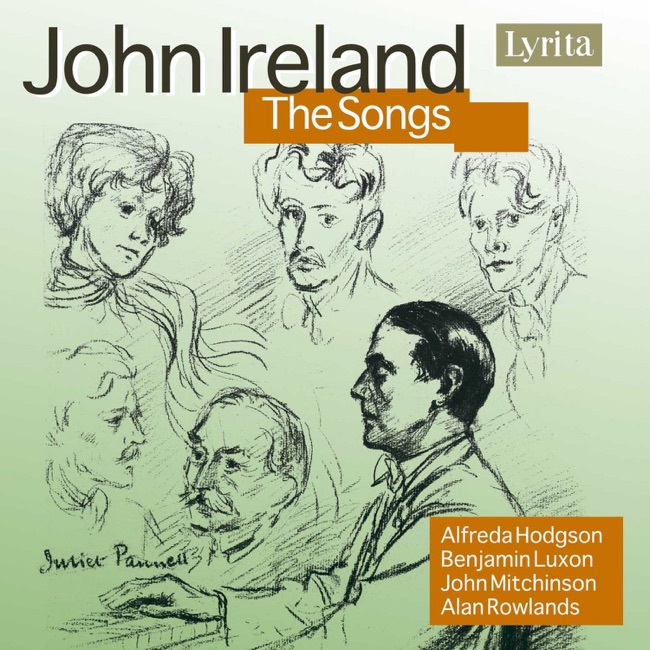

Works Info
Composer:John IrelandGenre:VocalStyle:Vocal MusicCompose Date:1918 - 1919Average_duration:8:09Movement_count:3Movement ....John Ireland's 'Songs (3), for voice & piano (1918-1919)' is a collection of three songs composed during the years 1918-1919. The songs were premiered in 1920 and were published by Boosey & Hawkes in the same year. The three songs are titled 'If there were dreams to sell', 'Her Song', and 'Tryst'. The first song, 'If there were dreams to sell', is a setting of a poem by Thomas Lovell Beddoes. The song is in the key of G major and is marked 'Andante con moto'. The piano accompaniment is simple and delicate, allowing the voice to take center stage. The melody is lyrical and flowing, with a sense of yearning and nostalgia. The song is characterized by its dreamy quality and its use of chromaticism. The second song, 'Her Song', is a setting of a poem by Rupert Brooke. The song is in the key of E-flat major and is marked 'Andante con moto'. The piano accompaniment is more complex than in the first song, with a more prominent role for the left hand. The melody is again lyrical and flowing, with a sense of longing and melancholy. The song is characterized by its use of dissonance and its shifting tonalities. The third song, 'Tryst', is a setting of a poem by John Masefield. The song is in the key of D-flat major and is marked 'Andante con moto'. The piano accompaniment is more rhythmic and lively than in the previous two songs, with a sense of urgency and excitement. The melody is again lyrical and flowing, with a sense of passion and intensity. The song is characterized by its use of syncopation and its dramatic shifts in dynamics. Overall, John Ireland's 'Songs (3), for voice & piano (1918-1919)' is a collection of three beautiful and expressive songs that showcase the composer's skill in setting poetry to music. The songs are characterized by their lyrical melodies, dreamy quality, and use of chromaticism and dissonance.More....