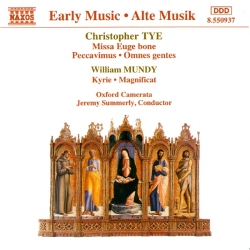
Christopher Tye
Omnes Gentes
Released Album
Recent Album
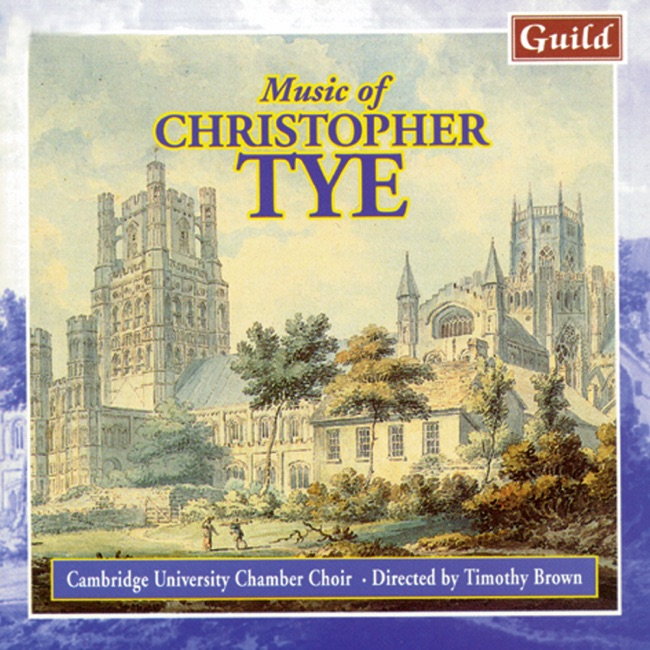
Featured Album
Works Info
Composer:Christopher TyeGenre:VocalStyle:Part SongAverage_duration:4:43Christopher Tye was an English composer and organist who lived during the Renaissance period. He was born in Cambridge in 1505 and died in 1572. Tye was a prominent figure in the English Church during the reigns of Henry VIII, Edward VI, Mary I, and Elizabeth I. He composed a number of works for the Church, including anthems, hymns, and settings of the liturgy. One of Tye's most famous works is his motet "Omnes Gentes," which was composed in the mid-16th century. The piece is written for four voices (soprano, alto, tenor, and bass) and is based on Psalm 47. The motet is in Latin and is divided into three movements. The first movement is marked "Allegro" and is in a lively, dance-like rhythm. The voices enter one by one, with the soprano leading the way. The text of the first movement is a call to all nations to praise God. The music is joyful and celebratory, with frequent use of syncopation and imitation between the voices. The second movement is marked "Adagio" and is in a slower, more contemplative tempo. The text of this movement is a prayer for God's mercy and forgiveness. The music is more subdued than the first movement, with a greater emphasis on harmony and chordal writing. The final movement is marked "Allegro" and is a return to the joyful mood of the first movement. The text of this movement is a repetition of the call to all nations to praise God. The music is lively and energetic, with frequent use of imitation and counterpoint between the voices. Overall, "Omnes Gentes" is a prime example of Tye's skill as a composer. The piece showcases his ability to write music that is both joyful and contemplative, and his use of harmony and counterpoint is masterful. The motet was likely premiered in a church setting, and it remains a popular piece in the choral repertoire to this day.More....
Works Music
Released Music
Featured Music