Jiro Nakano
Serenata for mandolin, Op. 2
Released Album
Recent Album

Works Info
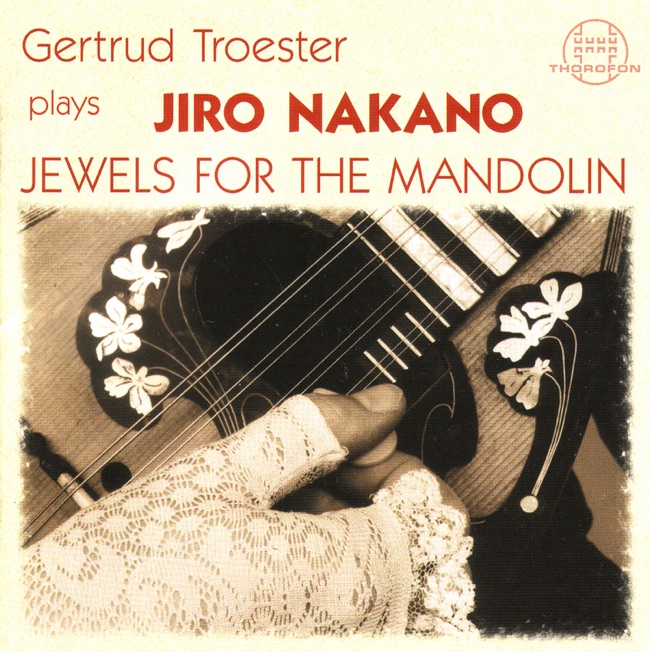
Composer:Jiro NakanoGenre:ChamberAverage_duration:4:05Jiro Nakano's 'Serenata for mandolin, Op. 2' is a beautiful and intricate piece of music that was composed in the early 20th century. The piece was first premiered in 1916 and has since become a popular choice for mandolin players around the world. The 'Serenata for mandolin, Op. 2' is composed of three movements, each with its own unique characteristics. The first movement, marked Allegro moderato, is a lively and energetic piece that showcases the mandolin's ability to play fast and intricate melodies. The second movement, marked Andante, is a slower and more contemplative piece that allows the mandolin to showcase its softer and more delicate side. The final movement, marked Allegro vivace, is a fast and exciting piece that brings the entire composition to a thrilling conclusion. One of the most notable characteristics of the 'Serenata for mandolin, Op. 2' is its use of intricate and complex harmonies. Nakano was known for his ability to create rich and complex harmonies that added depth and complexity to his compositions. This is particularly evident in the second movement of the 'Serenata', where the mandolin is accompanied by a lush and intricate string section. Another characteristic of the 'Serenata for mandolin, Op. 2' is its use of traditional Italian musical forms. The piece is structured as a serenade, a traditional Italian musical form that was often used for outdoor performances. This gives the piece a light and airy quality that is perfect for outdoor performances and gatherings. Overall, the 'Serenata for mandolin, Op. 2' is a beautiful and intricate piece of music that showcases the mandolin's versatility and range. Its use of complex harmonies and traditional Italian musical forms make it a timeless classic that is still enjoyed by mandolin players and music lovers around the world today.More....