


Johannes Brahms
Sagt mir, o schönste Schäfrin mein, WoO 33/1
Released Album
Recent Album
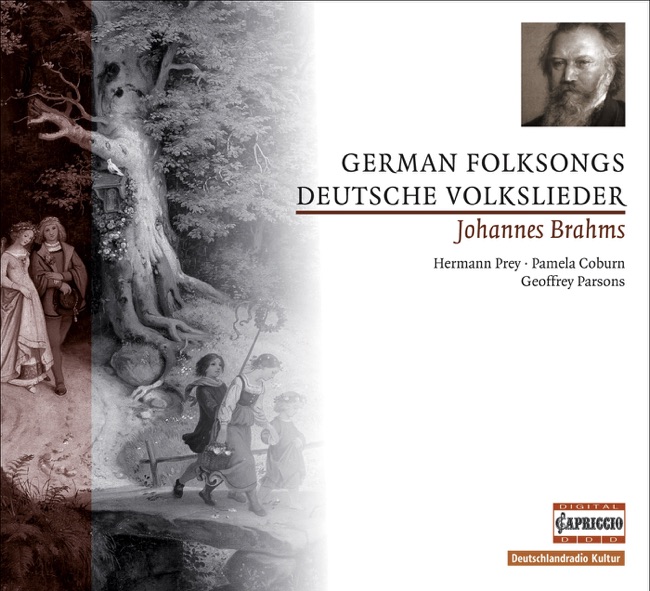
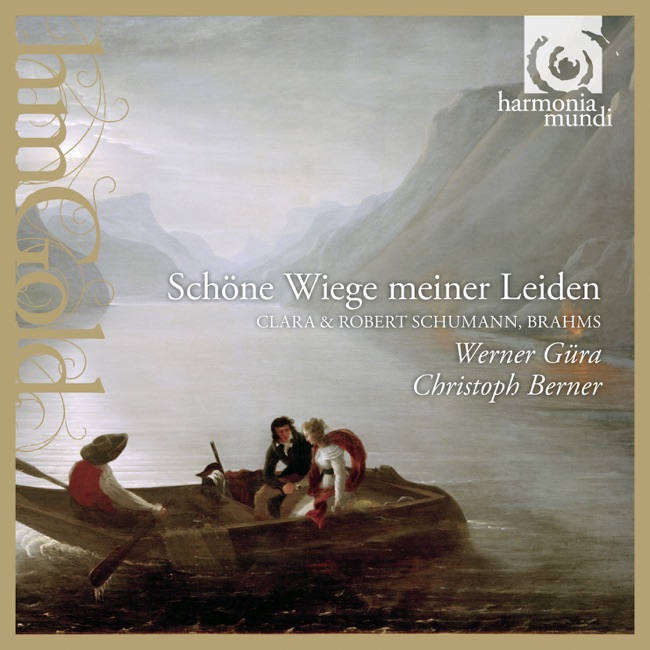
Featured Album
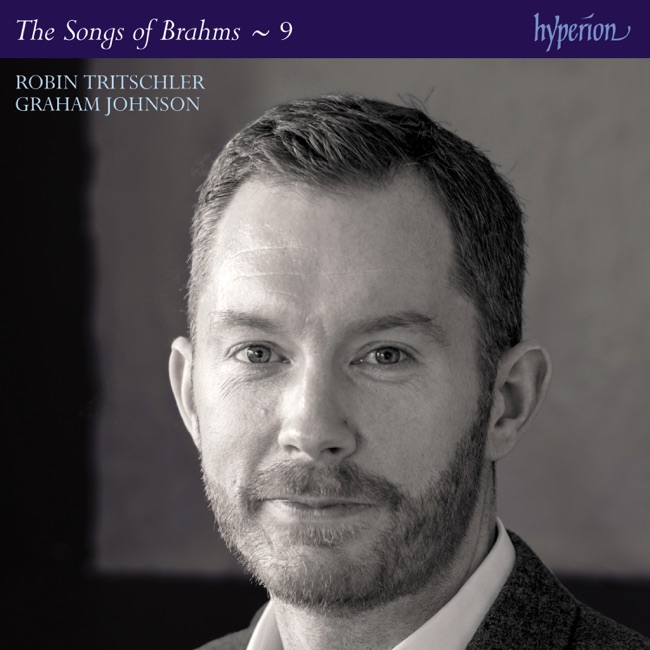
Works Info
Composer:Johannes BrahmsGenre:VocalStyle:SongCompose Date:1894Average_duration:2:28Johannes Brahms composed "Sagt mir, o schönste Schäfrin mein, WoO 33/1" in 1859. The piece is a solo art song for voice and piano, and it premiered in Vienna in 1860. The song is part of a collection of six songs, which Brahms composed under the title "Sechs Lieder, Op. 6." The song is in the key of G major and has a moderate tempo. It consists of three stanzas, each with four lines, and a refrain. The text is a love poem by the German poet Georg Friedrich Daumer, and it tells the story of a shepherdess who is asked by her lover where she is going. The refrain, "Sagt mir, o schönste Schäfrin mein," which translates to "Tell me, oh my most beautiful shepherdess," is repeated after each stanza. The first movement of the song begins with a gentle piano introduction, which sets the mood for the piece. The singer enters with the first stanza, and the melody is simple and lyrical, reflecting the pastoral theme of the poem. The piano accompaniment is also simple, with a steady rhythm and occasional arpeggios. The second movement is a repeat of the refrain, which serves as a bridge between the stanzas. The melody is the same as in the first movement, but the piano accompaniment is slightly more elaborate, with a rising and falling arpeggio pattern. The third movement is a repeat of the first movement, with the second stanza of the poem. The melody is slightly more complex than in the first movement, with more ornamentation and a wider range. The piano accompaniment is also more elaborate, with a more varied rhythm and more frequent arpeggios. The fourth movement is a repeat of the refrain, which again serves as a bridge between the stanzas. The melody is the same as in the second movement, but the piano accompaniment is even more elaborate, with a more complex arpeggio pattern. The fifth movement is a repeat of the first movement, with the third and final stanza of the poem. The melody is the most complex of the three stanzas, with more ornamentation and a wider range. The piano accompaniment is also the most elaborate, with a more varied rhythm and frequent arpeggios. Overall, "Sagt mir, o schönste Schäfrin mein, WoO 33/1" is a simple and charming art song that reflects Brahms' love of German folk music and his skill in setting poetry to music. The piece is a testament to Brahms' ability to create beautiful melodies and to evoke a pastoral mood through his music.More....
Works Music
Released Music
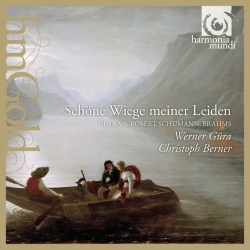
Featured Music
1
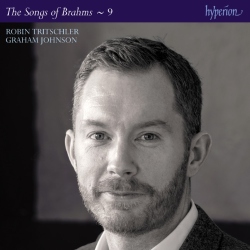
Tell me, O most beautiful shepherdess, WoO 33/1
49 Deutsche Volkslieder WoO33/1 Sagt mir, o schönste Schäfr'in mein
2:57