Georg Philipp Telemann
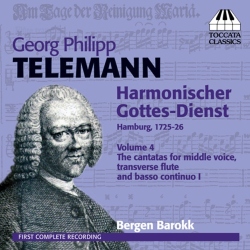
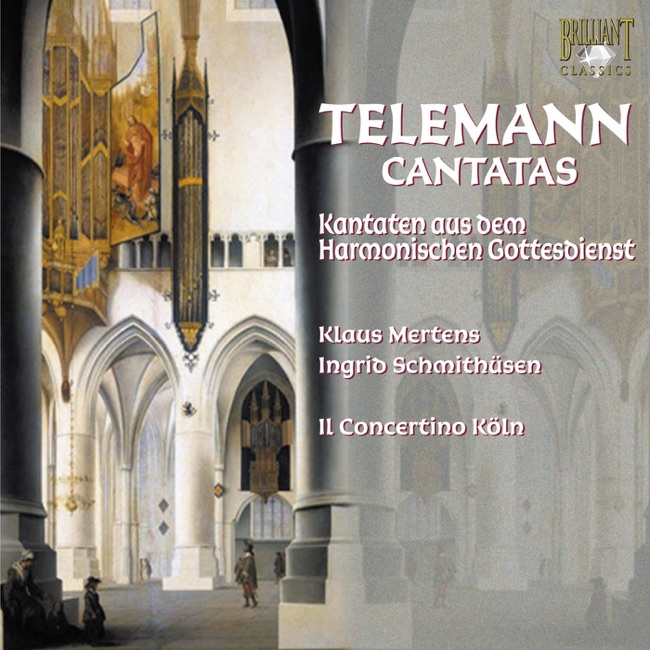
Was ist mir doch das Rühmen nütze, TWV 1:1521
Released Album
Recent Album

Works Info
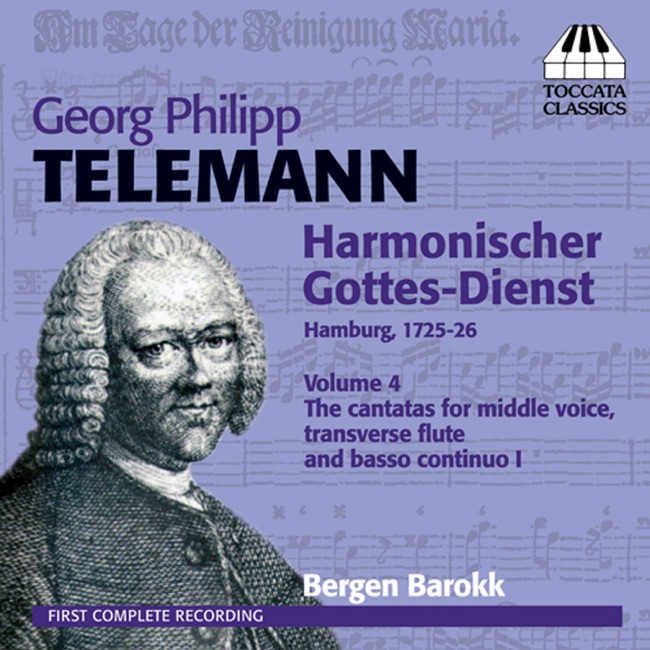
Composer:Georg Philipp TelemannGenre:VocalStyle:CantataCompose Date:1725 - 1726Publication Date:1725 - 1726Average_duration:11:52'Was ist mir doch das Rühmen nütze' is a sacred cantata composed by Georg Philipp Telemann in 1744. The piece was premiered in Hamburg, Germany, and is part of a larger collection of cantatas known as 'Harmonischer Gottesdienst' (Harmonious Worship). The cantata consists of three movements, with the first and third being arias and the second being a recitative. The text is based on Psalm 49:7-9 and explores the futility of worldly possessions and the importance of faith in God. The first movement, 'Was ist mir doch das Rühmen nütze' (What use is boasting to me), is a soprano aria accompanied by strings and continuo. The music is lively and joyful, with the soprano singing of the emptiness of worldly possessions and the importance of trusting in God. The aria features virtuosic runs and trills, showcasing the soprano's vocal agility. The second movement, a recitative, is sung by a bass soloist accompanied by continuo. The music is more subdued and contemplative, with the bass reflecting on the transience of life and the inevitability of death. The final movement, 'Mein Gott, ich will dich preisen' (My God, I will praise you), is a duet for soprano and bass accompanied by strings and continuo. The music is celebratory and uplifting, with the two voices intertwining in joyful harmony. The duet emphasizes the importance of faith in God and the ultimate reward of eternal life. Overall, 'Was ist mir doch das Rühmen nütze' is a beautiful example of Telemann's sacred music. The piece showcases his skill in crafting intricate vocal lines and his ability to convey complex theological ideas through music.More....
Works Music
Released Music