Franz Benda
Flute Concerto in G major, L. II-11
Released Album
Recent Album

Works Info
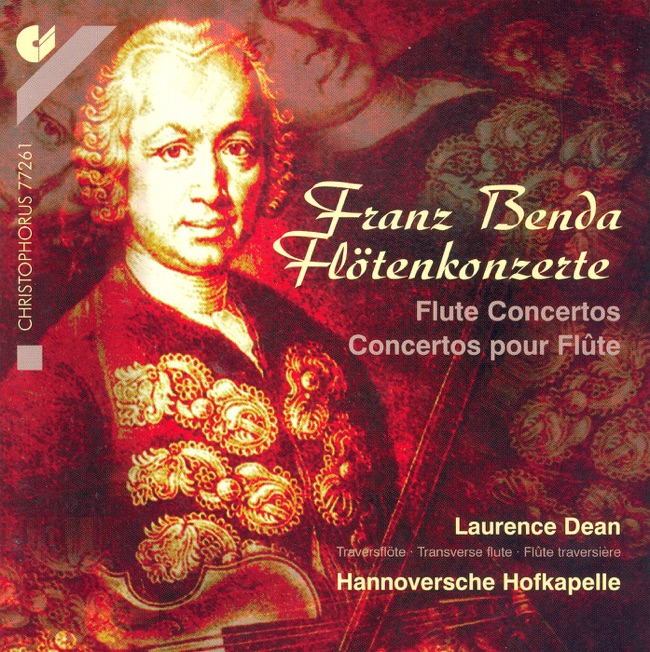
Composer:Franz BendaGenre:ConcertoStyle:ConcertoCompose Date:before 1763Average_duration:16:31Movement_count:3Movement ....The Flute Concerto in G major, L. II-11, was composed by Franz Benda, a German violinist and composer, in the mid-18th century. The exact date of composition is unknown, but it is believed to have been written between 1740 and 1760. The concerto was premiered in Berlin, where Benda was employed as a court musician, and quickly became popular among flutists of the time. The concerto consists of three movements: Allegro, Adagio, and Presto. The first movement, Allegro, is in sonata form and features a lively and energetic melody played by the solo flute. The orchestra provides a supportive accompaniment, with the strings playing a rhythmic figure that propels the music forward. The second movement, Adagio, is a slow and lyrical piece that showcases the flute's ability to sing and express emotion. The orchestra provides a delicate and understated accompaniment, allowing the soloist to shine. The final movement, Presto, is a fast and virtuosic piece that requires great technical skill from the soloist. The orchestra provides a lively and rhythmic accompaniment, with the strings playing fast and intricate patterns that create a sense of excitement and energy. The Flute Concerto in G major is characteristic of the galant style, a musical style that was popular in the mid-18th century and emphasized elegance, simplicity, and clarity. The concerto features a clear and straightforward melody, with simple harmonies and a light and airy texture. The solo flute is the star of the show, with the orchestra providing a supportive and complementary role. The concerto is also notable for its use of ornamentation, with the soloist adding trills, turns, and other embellishments to the melody to add interest and variety. Overall, the Flute Concerto in G major, L. II-11, is a charming and delightful work that showcases the beauty and versatility of the flute. Its popularity among flutists of the time is a testament to its enduring appeal, and it remains a beloved piece in the flute repertoire to this day.More....
Works Music
Released Music
2
7:27