John Adams
Harmonielehre
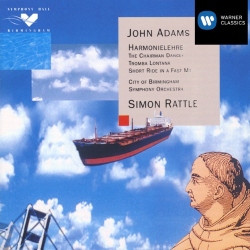
Released Album
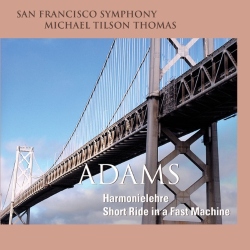
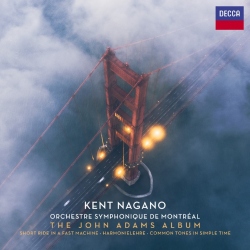
Recent Album



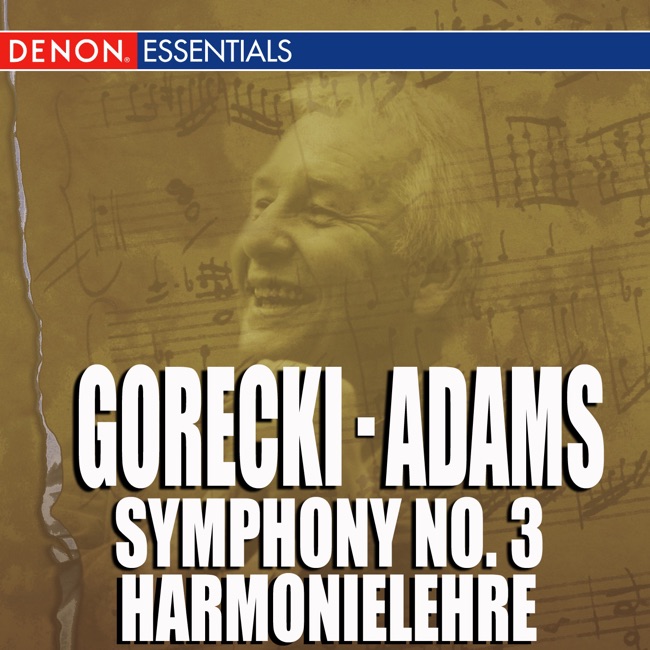


Featured Album

Works Info
Composer:John AdamsGenre:OrchestralStyle:Open FormCompose Date:1984 - 1985Average_duration:40:22Movement_count:3Movement ....Harmonielehre is a symphony composed by John Adams, an American composer, in 1985. The piece was premiered on September 14, 1985, by the San Francisco Symphony Orchestra, conducted by Edo de Waart. The symphony consists of three movements, each with its own unique characteristics. The first movement, titled "Part I: The Eruption," is characterized by its explosive and intense energy. The movement begins with a series of dissonant chords that gradually build in intensity, leading to a climactic eruption of sound. The music then transitions into a more subdued section, featuring a hauntingly beautiful melody played by the strings. The movement ends with a return to the explosive energy of the opening, bringing the piece full circle. The second movement, titled "Part II: The Anfortas Wound," is a slower and more contemplative section of the symphony. The movement is named after a character from Wagner's opera Parsifal, who suffers from a wound that cannot be healed. The music reflects this sense of longing and unfulfilled desire, with a mournful melody played by the strings and woodwinds. The movement builds to a powerful climax before fading away into silence. The final movement, titled "Part III: Meister Eckhardt and Quackie," is a playful and energetic section of the symphony. The movement is named after two characters from a comic strip that Adams enjoyed as a child. The music is characterized by its syncopated rhythms and lively melodies, with a sense of joy and exuberance that is infectious. The movement ends with a triumphant flourish, bringing the symphony to a close. Overall, Harmonielehre is a powerful and dynamic symphony that showcases Adams' unique style and musical vision. The piece is characterized by its use of dissonance and unconventional harmonies, as well as its incorporation of elements from popular culture. Despite its modernist tendencies, the symphony is also deeply rooted in the classical tradition, with clear influences from composers such as Wagner and Mahler.More....
Works Music
Released Music






Featured Music