Fernand de la Tombelle
String Quartet in E major, Op. 36
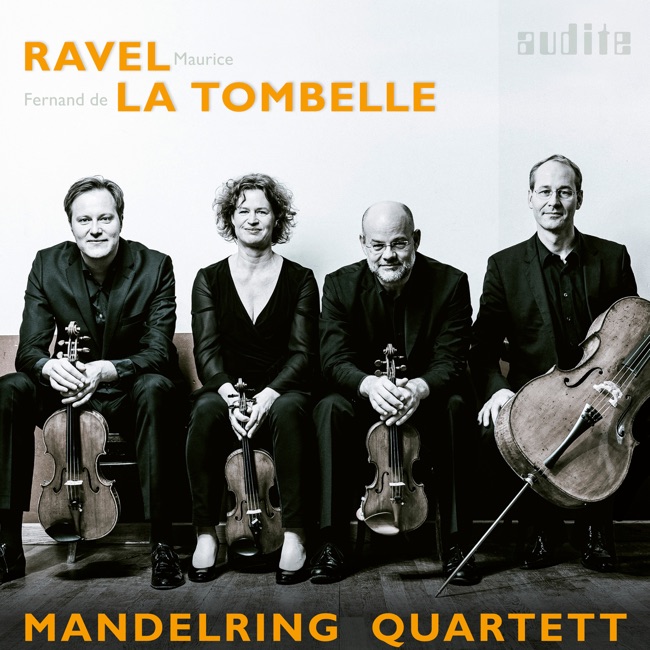
Released Album
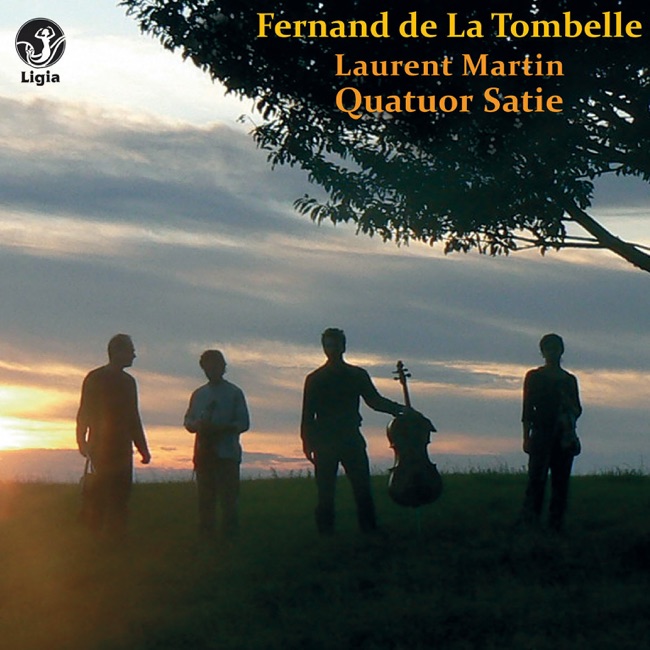
Recent Album
Works Info
Composer:Fernand de la TombelleGenre:ChamberAverage_duration:29:30Movement_count:4Movement ....Fernand de la Tombelle's String Quartet in E major, Op. 36, was composed in 1904 and premiered in Paris the same year. The quartet consists of four movements: Allegro moderato, Scherzo, Adagio, and Allegro molto. The first movement, Allegro moderato, begins with a lively and energetic theme introduced by the first violin. The theme is then passed on to the other instruments, creating a sense of unity and balance within the quartet. The movement is characterized by its use of counterpoint and chromaticism, which adds a sense of tension and complexity to the music. The second movement, Scherzo, is a playful and light-hearted piece that contrasts with the seriousness of the first movement. The movement is characterized by its use of pizzicato and staccato notes, which create a sense of rhythm and movement. The middle section of the movement features a more lyrical and melodic theme, which is then developed and expanded upon in the final section. The third movement, Adagio, is a slow and melancholic piece that showcases the quartet's ability to create a sense of emotional depth and expression. The movement is characterized by its use of long, sustained notes and rich harmonies, which create a sense of warmth and intimacy. The final movement, Allegro molto, is a fast and energetic piece that brings the quartet to a thrilling conclusion. The movement is characterized by its use of syncopation and rhythmic complexity, which creates a sense of excitement and anticipation. The movement also features a recurring theme that is developed and expanded upon throughout the piece, creating a sense of unity and coherence within the quartet. Overall, Fernand de la Tombelle's String Quartet in E major, Op. 36, is a masterful work that showcases the composer's ability to create music that is both technically complex and emotionally expressive. The quartet's use of counterpoint, chromaticism, and rich harmonies creates a sense of depth and complexity, while its use of rhythm and melody creates a sense of movement and expression.More....
Works Music
Released Music
Recommend Playlist