Johannes Hieronymus Kapsberger
Toccata for theorbo & continuo No. 9
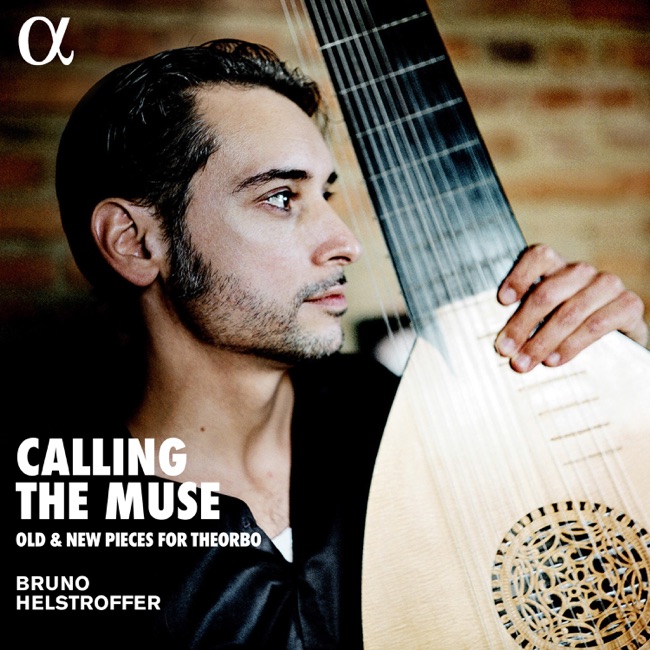
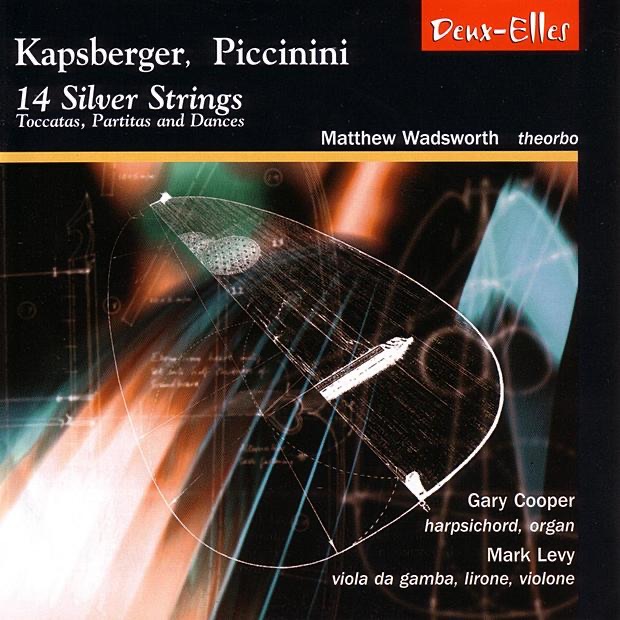
Released Album
Recent Album
Works Info
Composer:Johannes Hieronymus KapsbergerGenre:ChamberStyle:Chamber MusicAverage_duration:2:00Johannes Hieronymus Kapsberger was an Italian composer and lutenist of German descent who lived during the Baroque period. He was known for his virtuosic skills on the theorbo, a large lute-like instrument with an extended neck and additional bass strings. One of his most famous works is the 'Toccata for theorbo & continuo No. 9', which was composed in the early 17th century. The exact date of composition for the 'Toccata for theorbo & continuo No. 9' is unknown, but it is believed to have been written sometime between 1604 and 1640. The piece consists of a single movement and is written in the key of G major. It is typically performed with a continuo accompaniment, which can include instruments such as the harpsichord, organ, or cello. The 'Toccata for theorbo & continuo No. 9' is characterized by its fast-paced, virtuosic passages and intricate fingerwork. The piece begins with a lively and energetic introduction, featuring rapid arpeggios and cascading scales. The main theme is then introduced, which is based on a series of descending chromatic scales. This theme is developed throughout the piece, with Kapsberger exploring various harmonic and melodic variations. One of the most notable features of the 'Toccata for theorbo & continuo No. 9' is its use of dissonance and chromaticism. Kapsberger was known for his experimental approach to harmony, and this piece is no exception. The use of dissonant chords and unexpected harmonic shifts creates a sense of tension and drama throughout the piece. Overall, the 'Toccata for theorbo & continuo No. 9' is a stunning example of Kapsberger's virtuosic skills and innovative approach to composition. Its intricate fingerwork and complex harmonies make it a challenging piece for performers, but also a rewarding one for those who are able to master it. The piece has remained popular among lutenists and early music enthusiasts to this day, and continues to be performed and recorded regularly.More....
Works Music