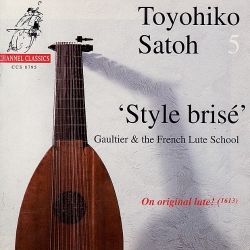
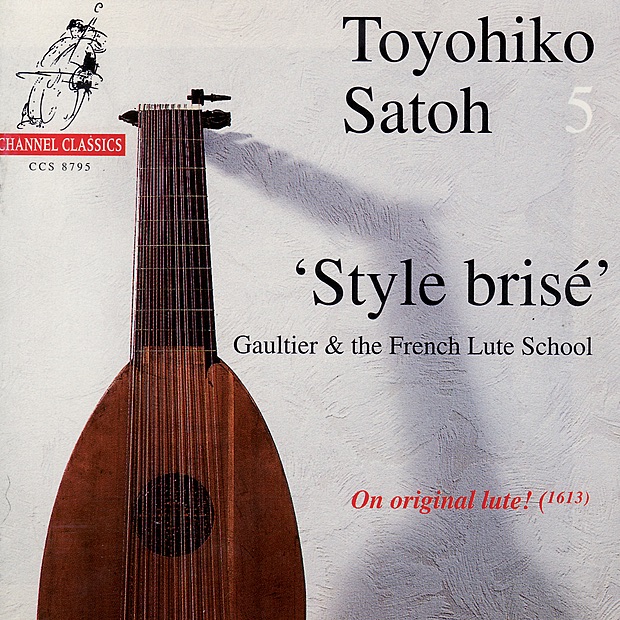
Ennemond Gaultier
Testament de Mezangeau
Works Info
Composer:Ennemond GaultierGenre:MiscellaneousStyle:MiscellaneousAverage_duration:2:50The "Testament de Mezangeau" is a collection of pieces for the lute composed by Ennemond Gaultier, a French lutenist and composer of the Baroque era. The collection was composed in the mid-17th century and was first published in 1682, several years after Gaultier's death. The "Testament de Mezangeau" consists of 74 pieces, divided into six suites. Each suite is made up of several movements, including preludes, allemandes, courantes, sarabandes, gigues, and chaconnes. The pieces are written in a variety of keys and tunings, and showcase Gaultier's virtuosic lute playing and compositional skill. One of the defining characteristics of the "Testament de Mezangeau" is its use of ornamentation. Gaultier was known for his innovative use of ornamentation, and the pieces in this collection are filled with intricate trills, mordents, and other embellishments. The collection also features a wide range of textures, from simple, homophonic passages to complex contrapuntal sections. Another notable aspect of the "Testament de Mezangeau" is its use of dance forms. Many of the movements are based on popular dance forms of the time, such as the allemande, courante, and sarabande. However, Gaultier's treatment of these forms is highly individualistic, and he often adds unexpected twists and turns to the familiar dance rhythms. Overall, the "Testament de Mezangeau" is a significant contribution to the lute repertoire of the Baroque era. Its innovative use of ornamentation, dance forms, and textures make it a fascinating and rewarding collection for both performers and listeners.More....