


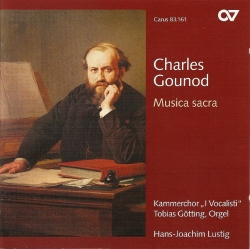
Charles Gounod
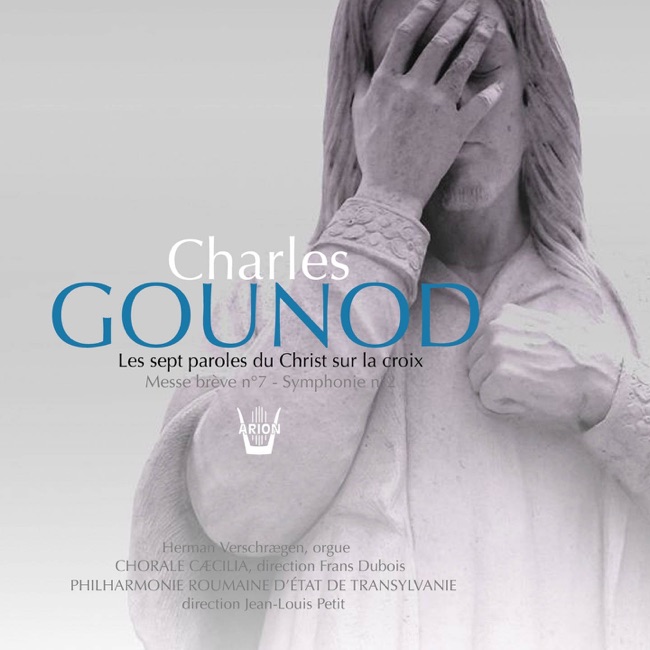
Les sept paroles du N.S. Jésus-Christ sur la croix
Released Album
Recent Album
Featured Album
Works Info
Composer:Charles GounodGenre:ChoralStyle:ChoralCompose Date:1855Publication Date:1858Average_duration:14:55Movement_count:8Movement ....Les sept paroles du N.S. Jésus-Christ sur la croix is a sacred work composed by Charles Gounod in 1867. The piece is based on the seven last words of Jesus Christ on the cross, as recorded in the Gospels. The premiere of the work took place on Good Friday, April 19, 1867, at the Church of Saint-Eustache in Paris. The piece is divided into seven movements, each corresponding to one of the seven last words of Jesus. The movements are as follows: 1. "Père, pardonne-leur, car ils ne savent pas ce qu'ils font" (Father, forgive them, for they know not what they do) 2. "Aujourd'hui même, tu seras avec moi dans le paradis" (Today you will be with me in paradise) 3. "Femme, voici ton fils... Voici ta mère" (Woman, behold your son... Behold your mother) 4. "Mon Dieu, mon Dieu, pourquoi m'as-tu abandonné?" (My God, my God, why have you forsaken me?) 5. "J'ai soif" (I thirst) 6. "Tout est accompli" (It is finished) 7. "Père, entre tes mains je remets mon esprit" (Father, into your hands I commend my spirit) Each movement is characterized by its own unique musical style and mood. The first movement is a solemn and prayerful choral setting of the text, while the second movement is a duet for tenor and baritone that is more lyrical and hopeful in tone. The third movement is a gentle and tender aria for soprano, while the fourth movement is a dramatic and anguished solo for tenor. The fifth movement is a plaintive and mournful aria for bass, while the sixth movement is a triumphant and celebratory choral setting. The final movement is a peaceful and serene aria for soprano. Overall, Les sept paroles du N.S. Jésus-Christ sur la croix is a powerful and moving work that captures the emotional and spiritual significance of the seven last words of Jesus Christ. Gounod's skillful use of different musical styles and moods helps to convey the range of emotions and experiences that are expressed in the text, from forgiveness and hope to despair and anguish. The piece remains a popular and frequently performed work in the sacred music repertoire.More....
Works Music
Released Music
Featured Music
1
3:32
3
2:34