Franz Benda
Violin Concerto in D major, L. II-2
Released Album
Recent Album
Works Info
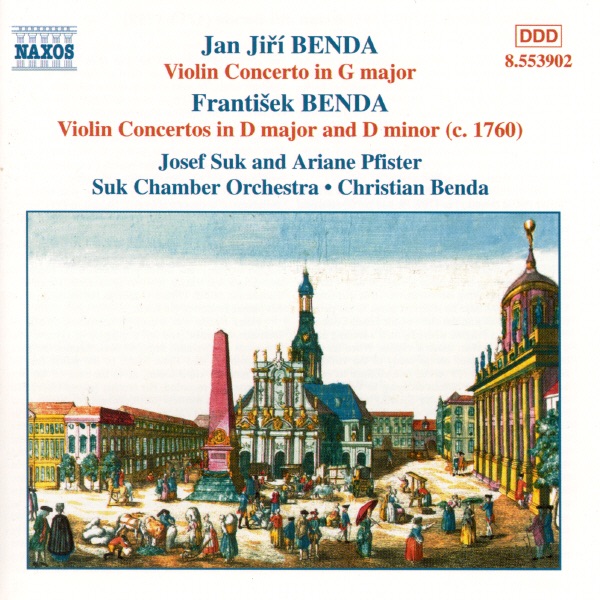
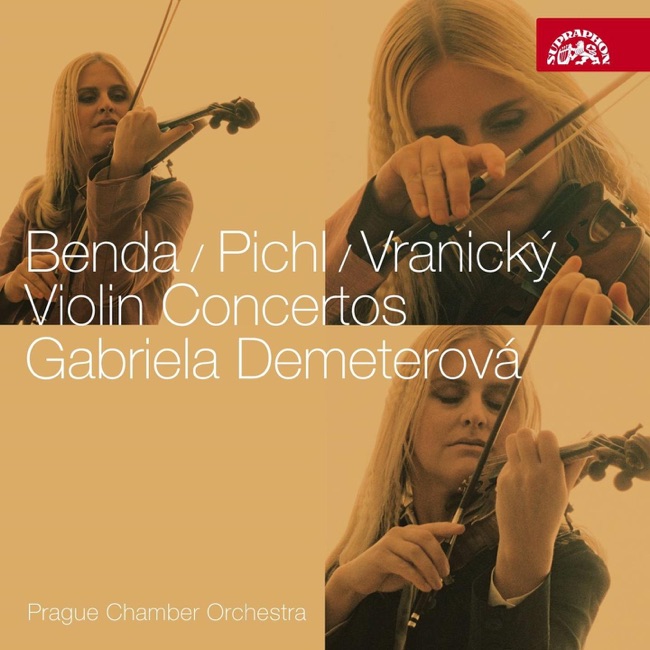
Composer:Franz BendaGenre:ConcertoStyle:ConcertoCompose Date:ca. 1740Average_duration:22:28Movement_count:3Movement ....The 'Violin Concerto in D major, L. II-2' is a masterpiece of the Baroque era composed by Franz Benda. It was composed in the mid-18th century and premiered in 1751. The concerto is divided into three movements, each with its own unique characteristics. The first movement, marked Allegro, is a lively and energetic piece that showcases the virtuosity of the solo violinist. The movement begins with a bold and majestic orchestral introduction, which is followed by the solo violin's entrance. The soloist's part is characterized by fast runs, trills, and arpeggios, which are interspersed with lyrical passages. The movement ends with a brilliant cadenza, which allows the soloist to display their technical prowess. The second movement, marked Adagio, is a slow and expressive piece that provides a contrast to the first movement. The solo violin's part is characterized by long, sustained notes and expressive phrasing. The orchestral accompaniment is subdued, providing a gentle backdrop for the soloist's melody. The movement ends with a brief cadenza, which leads directly into the final movement. The third movement, marked Allegro assai, is a lively and joyful piece that brings the concerto to a rousing conclusion. The movement begins with a lively orchestral introduction, which is followed by the solo violin's entrance. The soloist's part is characterized by fast, virtuosic runs and arpeggios, which are interspersed with playful, dance-like melodies. The movement ends with a brilliant cadenza, which leads directly into the final coda. Overall, the 'Violin Concerto in D major, L. II-2' is a masterpiece of the Baroque era, showcasing the virtuosity of the solo violinist and the expressive power of the orchestra. Its three movements provide a range of moods and emotions, from the energetic and lively first movement to the expressive and lyrical second movement, and finally to the joyful and playful third movement. It remains a beloved work in the violin concerto repertoire to this day.More....
Works Music
Released Music