Byzantine Chant
Alleluia. Ha-Houwadha-lAruç
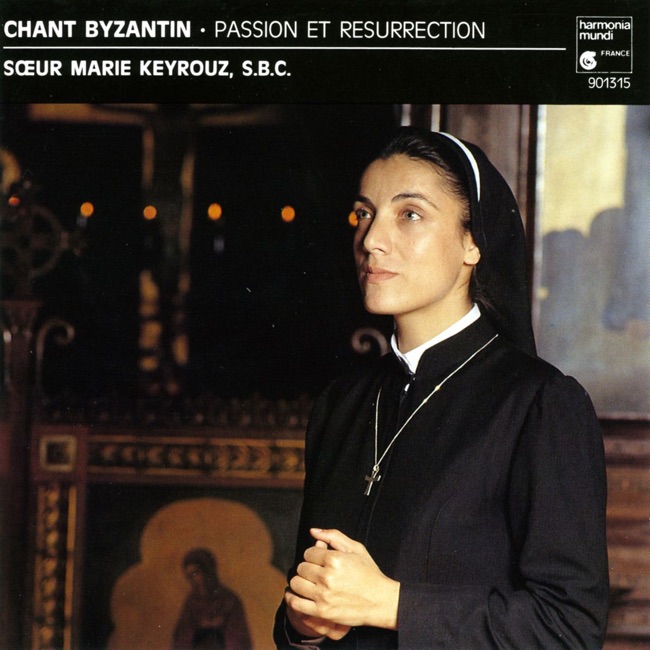
Works Info
Composer:Byzantine ChantGenre:VocalStyle:AlleluiaAverage_duration:2:45'Alleluia. Ha-Houwadha-lAruç' is a Byzantine Chant that is believed to have been composed in the 8th century. The exact date of its composition is not known, but it is believed to have been written during the reign of Emperor Constantine V (741-775). The chant is a part of the Byzantine liturgy and is typically sung during the Easter season. The chant is divided into three movements, each with its own distinct characteristics. The first movement is slow and contemplative, with a mournful melody that reflects the solemnity of the Easter season. The second movement is more upbeat and joyful, with a lively melody that celebrates the resurrection of Christ. The third movement is a return to the slower, more contemplative melody of the first movement, but with a sense of triumph and victory. The characteristics of the chant reflect the Byzantine musical tradition, which is characterized by a complex system of modes and scales. The melody is sung in a monophonic style, with a single voice leading the chant and a choir providing a harmonic accompaniment. The chant is also characterized by its use of melismatic singing, in which a single syllable is stretched out over several notes. Overall, 'Alleluia. Ha-Houwadha-lAruç' is a powerful and moving piece of music that reflects the deep spiritual traditions of the Byzantine Church. Its timeless melody and profound lyrics continue to inspire and uplift listeners today, more than a thousand years after its composition.More....