Jacob Druckman
Prism for orchestra
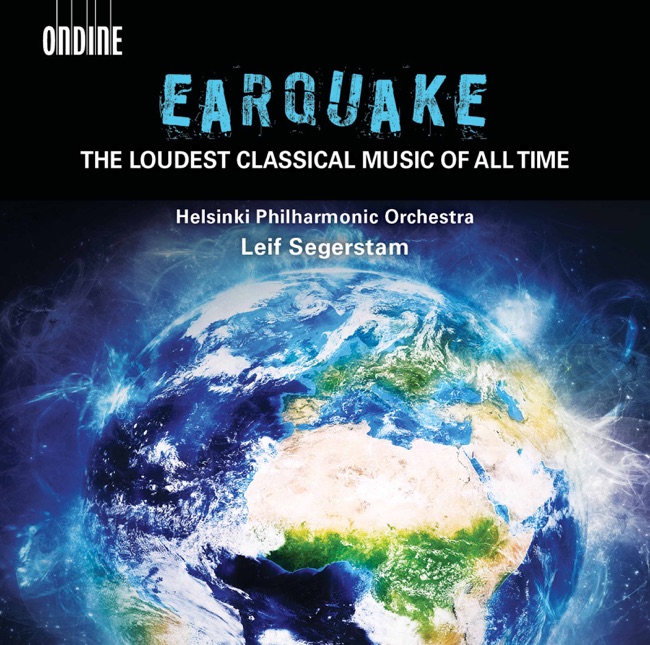
Released Album
Recent Album
Works Info
Composer:Jacob DruckmanGenre:OrchestralStyle:Open FormCompose Date:1980Average_duration:22:15Movement_count:3Movement ....Prism for orchestra is a composition by American composer Jacob Druckman. It was composed in 1980 and premiered on March 12, 1981, by the New York Philharmonic under the direction of Zubin Mehta. The piece is divided into three movements and has a duration of approximately 20 minutes. The first movement, titled "Prism," is characterized by its use of overlapping and interweaving musical lines. The orchestra is divided into several groups, each playing its own distinct melody or rhythm. These lines gradually converge and diverge, creating a constantly shifting and evolving texture. The movement is marked by its use of complex rhythms and harmonies, as well as its frequent use of percussion instruments. The second movement, titled "Chant," is a slow and meditative piece that features a solo cello. The cello plays a simple, chant-like melody that is gradually joined by other instruments in the orchestra. The movement is marked by its use of long, sustained notes and its emphasis on the lower registers of the orchestra. The final movement, titled "Pulsar," is a fast and energetic piece that features a driving rhythm and a prominent use of percussion instruments. The movement is characterized by its use of syncopated rhythms and its frequent use of sudden, explosive bursts of sound. The movement builds to a frenzied climax before coming to a sudden and abrupt end. Overall, Prism for orchestra is a complex and challenging work that showcases Druckman's skill as a composer. The piece is marked by its use of intricate rhythms and harmonies, as well as its frequent use of percussion instruments. The three movements each have their own distinct character and contribute to the overall structure of the piece. Prism for orchestra is a significant work in the repertoire of contemporary classical music and continues to be performed and studied by orchestras and musicians around the world.More....