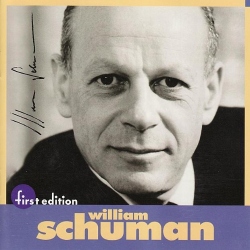
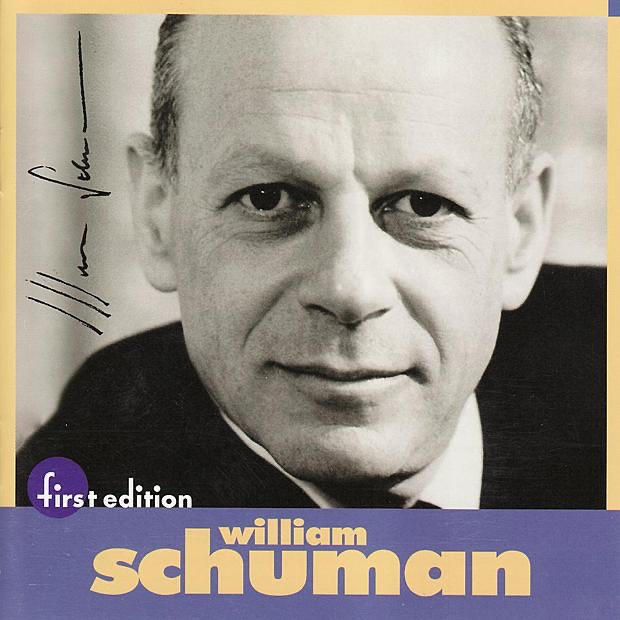
William Schuman
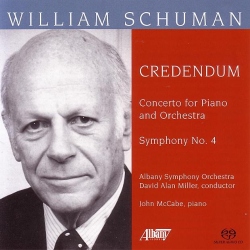
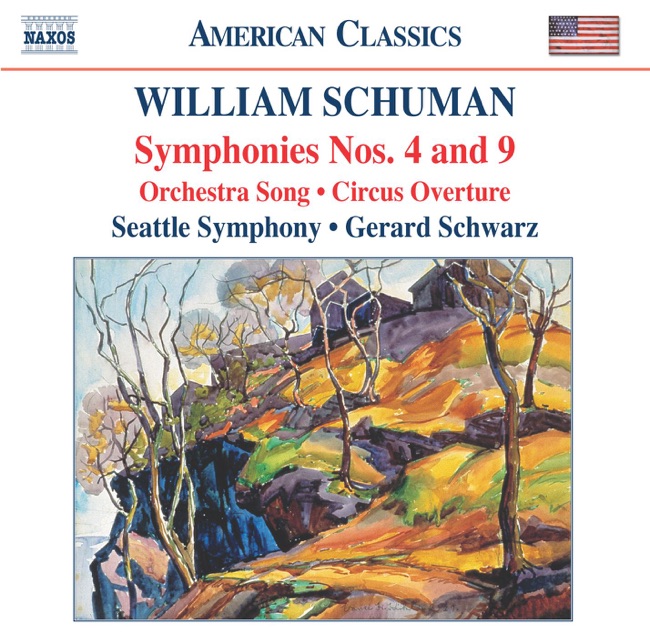
Symphony No. 4
Released Album
Recent Album
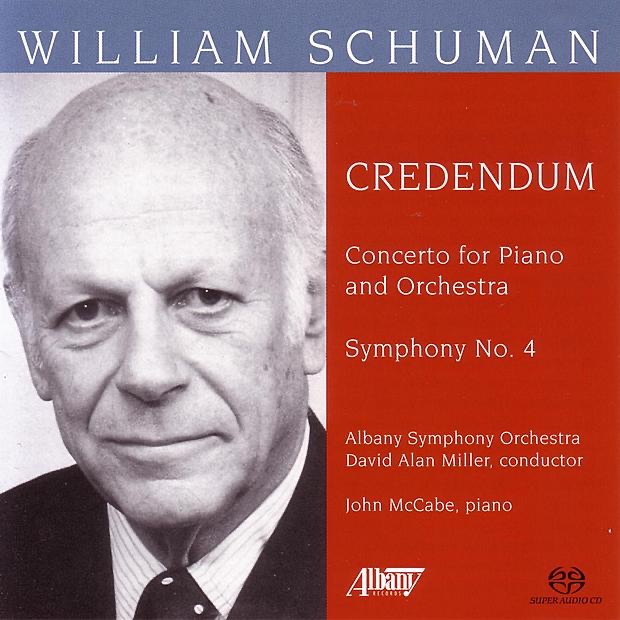
Works Info
Composer:William SchumanGenre:SymphonyStyle:SymphonyCompose Date:1941First Performance:Jan 22, 1942Average_duration:24:46Movement_count:3Movement ....Symphony No. 4 is a composition by American composer William Schuman. It was composed in 1941 and premiered on November 20, 1942, by the Boston Symphony Orchestra under the direction of Serge Koussevitzky. The symphony is divided into four movements and has a total duration of approximately 25 minutes. The first movement, marked "Allegro molto," is characterized by its driving rhythms and energetic melodies. The movement begins with a fanfare-like motif in the brass section, which is then taken up by the rest of the orchestra. The music builds in intensity, with the strings and woodwinds adding their own melodies to the mix. The movement ends with a triumphant restatement of the opening motif. The second movement, marked "Larghissimo," is a slow and contemplative piece. It begins with a mournful melody in the strings, which is then taken up by the woodwinds. The music gradually builds in intensity, with the brass section adding their own voices to the mix. The movement ends with a quiet and introspective coda. The third movement, marked "Presto," is a fast and frenetic piece. It begins with a flurry of activity in the strings, which is then taken up by the rest of the orchestra. The music is characterized by its rapid-fire rhythms and intricate counterpoint. The movement ends with a sudden and unexpected halt. The fourth and final movement, marked "Allegro molto," is a lively and exuberant piece. It begins with a playful melody in the woodwinds, which is then taken up by the rest of the orchestra. The music is characterized by its syncopated rhythms and lively melodies. The movement ends with a triumphant restatement of the opening melody. Overall, Symphony No. 4 is a dynamic and engaging work that showcases Schuman's skill as a composer. Its use of driving rhythms, intricate counterpoint, and memorable melodies make it a standout piece in the American classical music canon.More....
Works Music
Released Music