Agostino Steffani
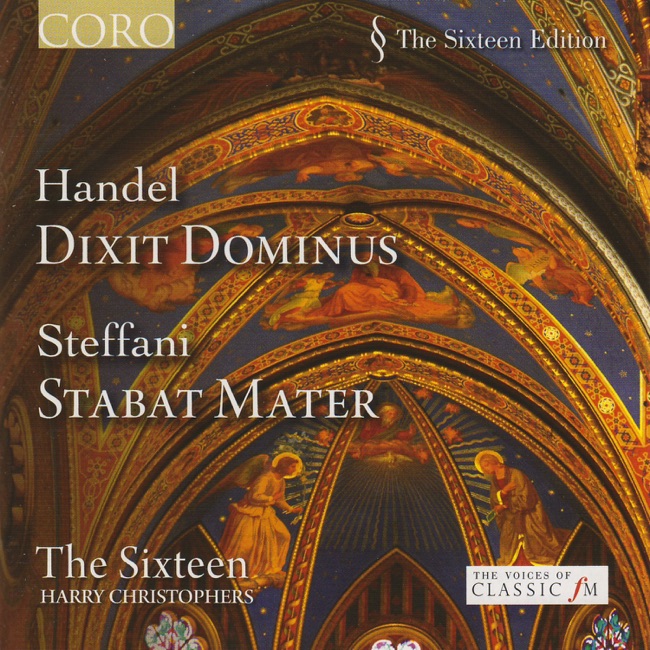
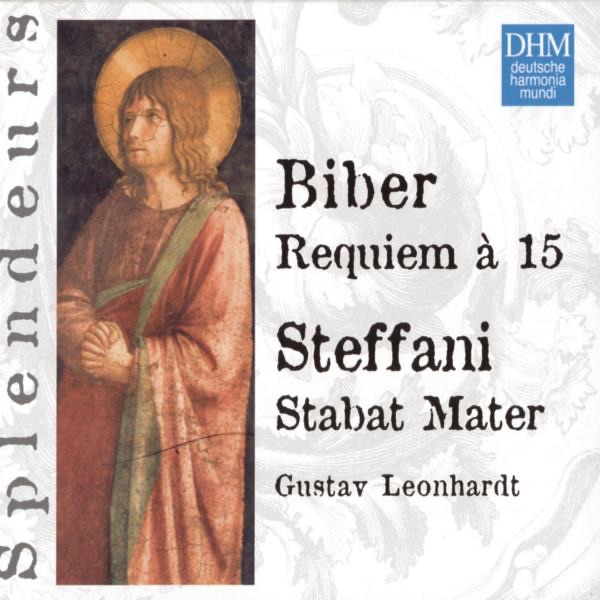
Stabat Mater
Released Album
Recent Album

Works Info
Composer:Agostino SteffaniGenre:ChoralStyle:ChoralAverage_duration:28:56Agostino Steffani's 'Stabat Mater' is a sacred vocal work that was composed in the late 17th century. The piece was premiered in 1685 in Munich, Germany, and has since become one of the most celebrated works of the Baroque era. The 'Stabat Mater' is a hymn that is traditionally sung during the Catholic liturgy on the Friday before Palm Sunday, and it is a meditation on the suffering of Mary, the mother of Jesus, as she stood at the foot of the cross. The 'Stabat Mater' is divided into ten movements, each of which is characterized by its own unique musical style and emotional tone. The first movement, 'Stabat Mater dolorosa', sets the tone for the entire piece with its mournful melody and somber harmonies. The second movement, 'Cujus animam gementem', is a duet for soprano and alto that expresses the anguish of Mary as she watches her son die. The third movement, 'O quam tristis et afflicta', is a solo for alto that reflects on the sorrow of Mary as she mourns the loss of her son. The fourth movement, 'Quae moerebat et dolebat', is a duet for soprano and alto that expresses the pain of Mary as she witnesses the suffering of her son. The fifth movement, 'Quis est homo qui non fleret', is a solo for tenor that reflects on the universal human experience of grief and mourning. The sixth movement, 'Eja Mater, fons amoris', is a duet for soprano and alto that expresses the hope and comfort that Mary finds in her faith. The seventh movement, 'Fac ut ardeat cor meum', is a solo for tenor that expresses the desire of the singer's heart to be consumed by the fire of divine love. The eighth movement, 'Sancta Mater, istud agas', is a duet for soprano and alto that expresses the singer's desire to be united with Mary in her suffering. The ninth movement, 'Fac ut portem Christi mortem', is a solo for bass that expresses the singer's willingness to bear the cross of Christ and to share in his suffering. The final movement, 'Inflammatus et accensus', is a duet for soprano and alto that expresses the singer's desire to be consumed by the fire of divine love and to be united with Mary in her faith. Throughout the 'Stabat Mater', Steffani employs a variety of musical techniques to convey the emotional depth and complexity of the text. His use of dissonance, chromaticism, and expressive melodic lines creates a sense of tension and drama that is perfectly suited to the subject matter of the piece. Overall, the 'Stabat Mater' is a masterpiece of Baroque sacred music that continues to inspire and move audiences to this day.More....
Works Music
Released Music