Rudolf Mauersberger
Der weiße Hirsch, RMWV 401/1
Released Album
Recent Album
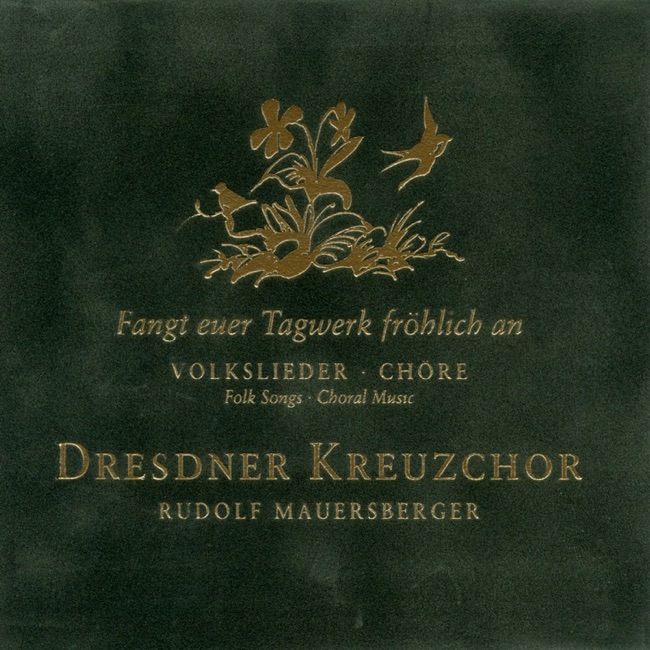
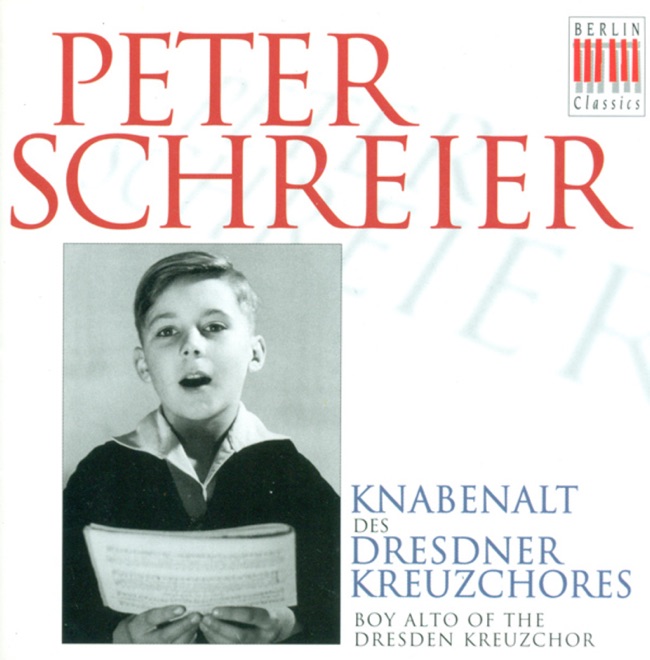
Works Info
Composer:Rudolf MauersbergerGenre:ChoralStyle:ChoralAverage_duration:2:07"Der weiße Hirsch" is a choral work composed by Rudolf Mauersberger in 1949. The piece was premiered on December 18, 1949, in the Kreuzkirche in Dresden, Germany. The work is divided into three movements and is scored for mixed choir, soloists, and orchestra. The first movement, "Der weiße Hirsch," is a setting of a poem by the German poet, Rainer Maria Rilke. The music is characterized by a haunting melody that is sung by the choir in unison. The soloists then enter, singing a mournful melody that is accompanied by the orchestra. The movement ends with a return to the opening melody, sung by the choir. The second movement, "Die Nacht," is a setting of a poem by the German poet, Friedrich Hölderlin. The music is characterized by a slow, mournful melody that is sung by the choir. The soloists then enter, singing a melody that is more hopeful and uplifting. The movement ends with a return to the opening melody, sung by the choir. The third movement, "Der Morgen," is a setting of a poem by the German poet, Georg Trakl. The music is characterized by a bright, joyful melody that is sung by the choir. The soloists then enter, singing a melody that is more contemplative and introspective. The movement ends with a return to the opening melody, sung by the choir. Overall, "Der weiße Hirsch" is a deeply emotional and introspective work that reflects the turmoil and suffering that Germany experienced during World War II. The music is characterized by haunting melodies, mournful harmonies, and a sense of longing and hopelessness. Despite its somber tone, the work also contains moments of beauty and hope, reflecting the resilience and strength of the human spirit.More....
Works Music
Released Music