Johann Melchior Molter
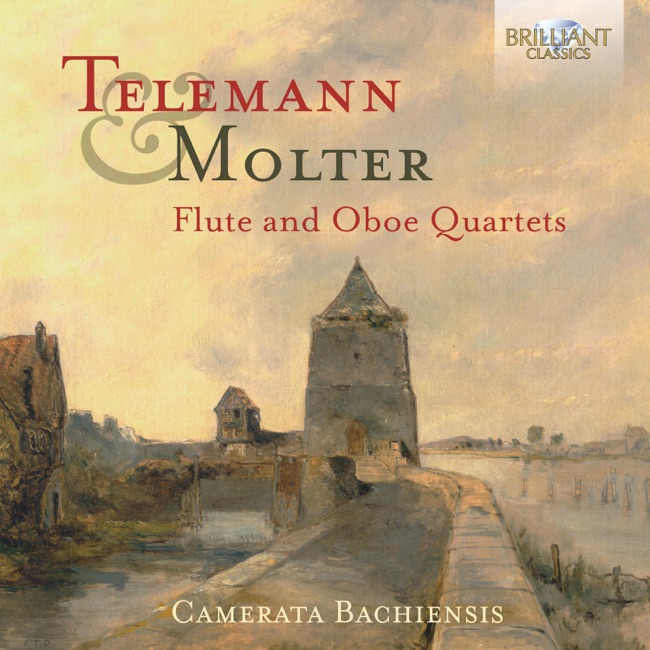
Sonata à 4 for oboe, violin, viola & conitnuo in E minor, MWV 9/19
Released Album
Recent Album

Works Info
Composer:Johann Melchior MolterGenre:ChamberAverage_duration:8:24Movement_count:3Movement ....Johann Melchior Molter's Sonata à 4 for oboe, violin, viola & continuo in E minor, MWV 9/19, is a chamber music piece that was composed in the mid-18th century. The exact date of composition is unknown, but it is believed to have been written between 1740 and 1750. The piece was premiered in Germany, where Molter spent most of his career as a composer and conductor. The Sonata à 4 is divided into three movements: Allegro, Adagio, and Presto. The first movement, Allegro, is in sonata form and features a lively and energetic melody that is passed between the oboe, violin, and viola. The second movement, Adagio, is a slow and expressive piece that showcases the lyrical qualities of the oboe. The final movement, Presto, is a fast and playful piece that features intricate counterpoint between the three instruments. One of the characteristics of Molter's Sonata à 4 is its use of counterpoint, which is the technique of combining multiple melodies to create a complex and harmonious texture. This is particularly evident in the Presto movement, where the three instruments engage in a lively and intricate dialogue. Another characteristic of the piece is its use of ornamentation, which is the embellishment of a melody with additional notes or flourishes. This is particularly evident in the oboe part, which features numerous trills and runs. Overall, Molter's Sonata à 4 is a charming and engaging piece of chamber music that showcases the talents of the oboe, violin, and viola. Its lively melodies, intricate counterpoint, and expressive qualities make it a popular choice for chamber music performances and recordings.More....
Works Music