Wolfgang Amadeus Mozart
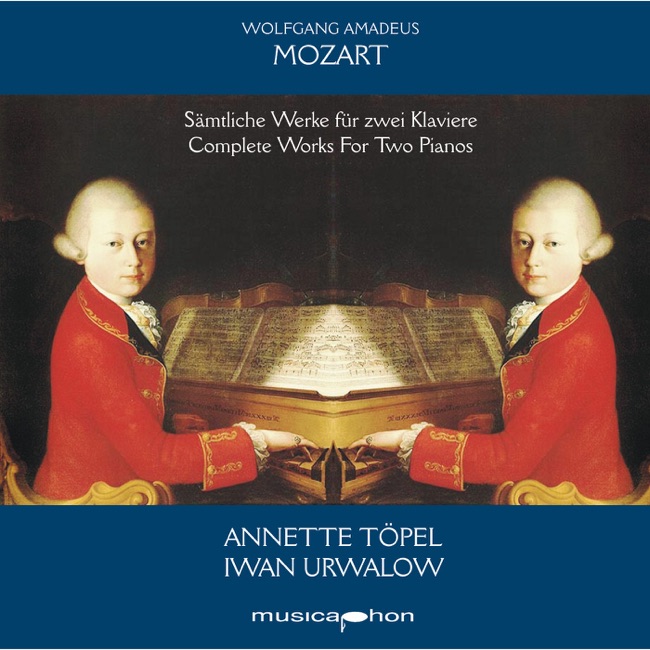
Fugue for 2 pianos in G major (fragment), K. Anh. 45 (375d)
Released Album
Recent Album
Works Info
Composer:Wolfgang Amadeus MozartGenre:KeyboardStyle:FugueCompose Date:1782Average_duration:0:37Wolfgang Amadeus Mozart's 'Fugue for 2 pianos in G major (fragment), K. Anh. 45 (375d)' is a short but significant piece of music that showcases the composer's mastery of counterpoint and fugue writing. The exact date of composition is unknown, but it is believed to have been written in 1781 or 1782, during Mozart's time in Vienna. The piece was never completed, and only exists as a fragment consisting of 24 bars. Despite its brevity, the fugue is a remarkable example of Mozart's skill in writing for two pianos. The piece is written in G major and consists of a single subject that is introduced in the first bar and then developed throughout the rest of the piece. The fugue is divided into three movements, each of which is characterized by a different tempo and mood. The first movement is marked Allegro, and it is a lively and energetic section that introduces the main theme. The second movement is marked Adagio, and it is a slower and more contemplative section that explores the theme in a more introspective way. The final movement is marked Allegro molto, and it is a fast and frenetic section that brings the piece to a thrilling conclusion. One of the most notable characteristics of the fugue is its use of counterpoint. Mozart was a master of counterpoint, and he uses it to great effect in this piece. The two pianos are constantly playing off of each other, with one introducing a theme while the other responds with a variation or development of that theme. The result is a complex and intricate web of sound that is both challenging and rewarding for the listener. Overall, Mozart's 'Fugue for 2 pianos in G major (fragment), K. Anh. 45 (375d)' is a remarkable piece of music that showcases the composer's skill in writing for two pianos and his mastery of counterpoint and fugue writing. Despite its brevity, the piece is a testament to Mozart's genius and his enduring legacy as one of the greatest composers of all time.More....
Works Music
Released Music
1
2:29