


Luigi Boccherini
Symphony in D major, G. 500
Released Album
Recent Album
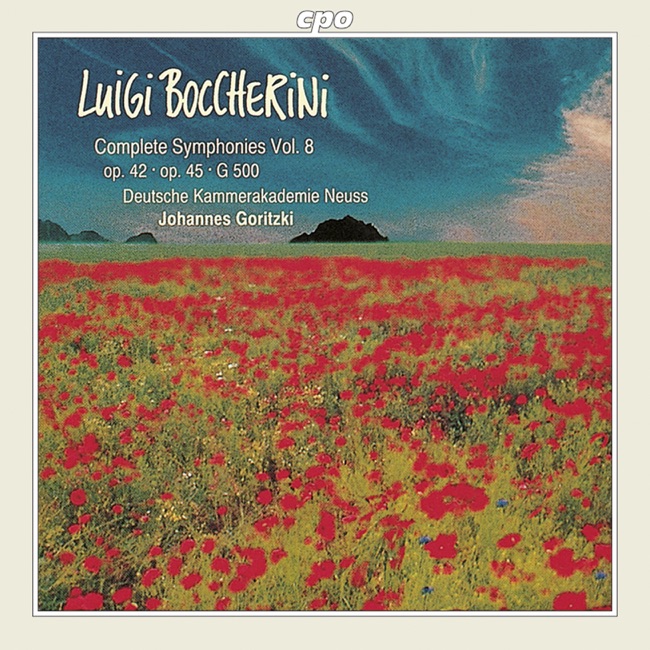
Featured Album
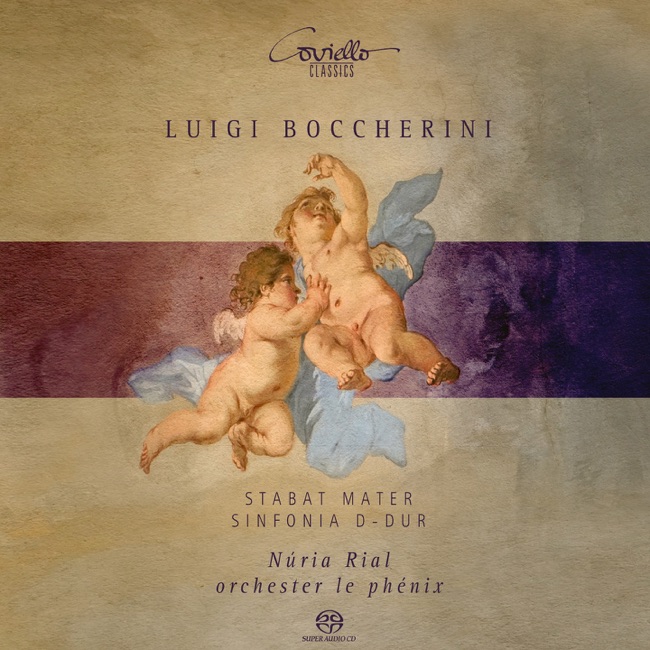
Works Info
Composer:Luigi BoccheriniGenre:SymphonyStyle:SymphonyPublication Date:1767Average_duration:9:28Movement_count:4Movement ....Luigi Boccherini's Symphony in D major, G. 500, also known as the "La Casa del Diavolo" (The House of the Devil), was composed in the late 18th century. The exact date of composition is unknown, but it is believed to have been written between 1771 and 1775. The symphony was premiered in Paris in 1775, where it was well-received by audiences and critics alike. The symphony consists of four movements: Allegro, Andantino, Minuetto, and Allegro. The first movement, Allegro, is characterized by its lively and energetic tempo, with a prominent use of the strings and woodwinds. The second movement, Andantino, is a slower and more melodic piece, featuring a solo violin and a delicate interplay between the different sections of the orchestra. The third movement, Minuetto, is a traditional dance in triple meter, with a playful and light-hearted melody. The final movement, Allegro, is a fast-paced and virtuosic piece, showcasing the technical abilities of the musicians. One of the most notable characteristics of the Symphony in D major is its use of the cello as a solo instrument. Boccherini, who was a cellist himself, was known for his innovative use of the cello in his compositions, and this symphony is no exception. The cello is featured prominently throughout the piece, often playing complex and virtuosic passages that highlight the instrument's range and versatility. Another notable characteristic of the Symphony in D major is its use of dynamic contrasts. Boccherini employs sudden shifts in volume and intensity throughout the piece, creating a sense of drama and tension that keeps the listener engaged. This is particularly evident in the final movement, where the orchestra alternates between loud, frenzied passages and quieter, more contemplative sections. Overall, the Symphony in D major, G. 500 is a masterful example of Boccherini's skill as a composer. Its innovative use of the cello, dynamic contrasts, and virtuosic passages make it a standout piece in the classical repertoire.More....
Works Music
Released Music
Featured Music
