Antonio de Cabezón
Versos del 1 Tono
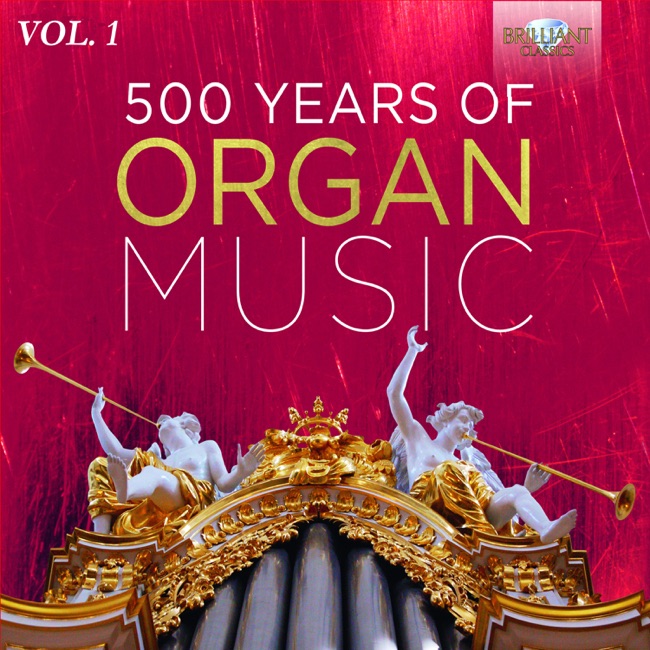
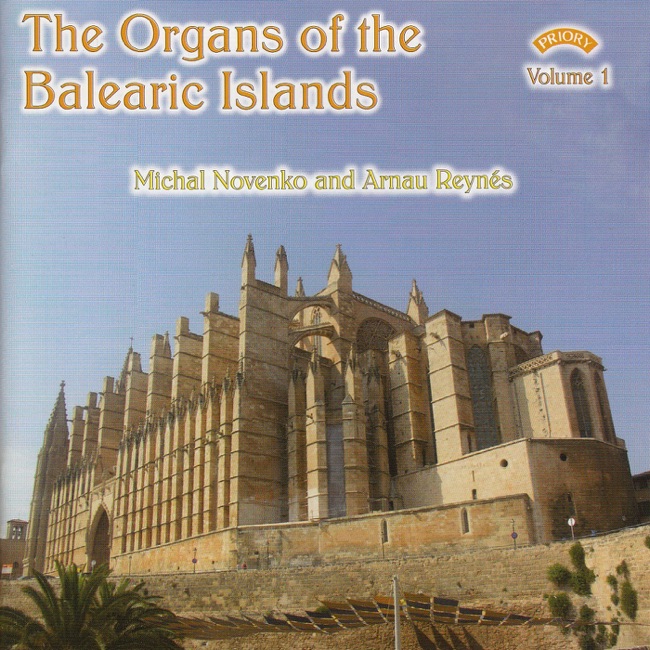
Released Album
Recent Album
Works Info
Composer:Antonio de CabezónGenre:KeyboardStyle:KeyboardAverage_duration:2:26Antonio de Cabezón was a Spanish composer and organist who lived during the Renaissance period. He was born in 1510 in Castrillo Mota de Judíos, Burgos, and died in 1566 in Madrid. Cabezón was one of the most important composers of his time, and his works are still performed and studied today. One of his most famous works is 'Versos del 1 Tono', which was composed for the organ. 'Versos del 1 Tono' was composed in the mid-16th century, and it is believed to have been premiered in the Royal Chapel in Madrid. The work consists of a series of short pieces, or movements, that are played in succession. Each movement is based on a different theme or melody, and they are all written in the same tonality, or key. The first movement of 'Versos del 1 Tono' is a prelude, which sets the tone for the rest of the work. It is followed by a series of variations on a theme, which showcase Cabezón's skill as a composer and his ability to create complex and intricate musical textures. The variations are followed by a fugue, which is a type of composition that features a main theme that is repeated and developed throughout the piece. One of the characteristics of 'Versos del 1 Tono' is its use of counterpoint, which is a technique that involves the interweaving of multiple melodies to create a complex and harmonious musical texture. Cabezón was a master of counterpoint, and his use of this technique in 'Versos del 1 Tono' is a testament to his skill as a composer. Another characteristic of 'Versos del 1 Tono' is its use of ornamentation, which is a technique that involves the embellishment of a melody with additional notes and flourishes. Cabezón was known for his use of ornamentation, and it is a prominent feature of this work. Overall, 'Versos del 1 Tono' is a masterpiece of Renaissance music, and it is a testament to Cabezón's skill as a composer and organist. Its use of counterpoint and ornamentation, as well as its complex and intricate musical textures, make it a work of great beauty and complexity.More....
Works Music