


Carl Philipp Emanuel Bach
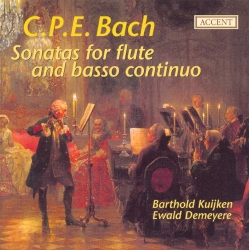
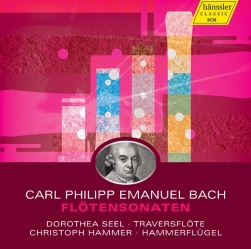
Sonata for flute & continuo in D major, H. 556, Wq. 129
Released Album
Recent Album
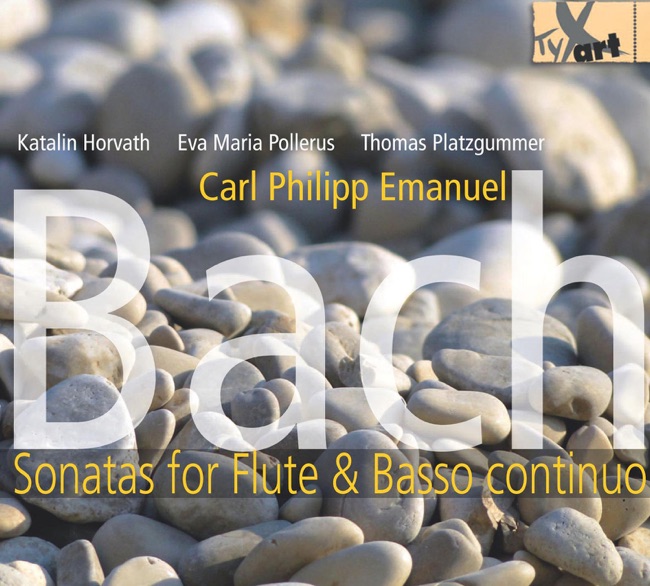
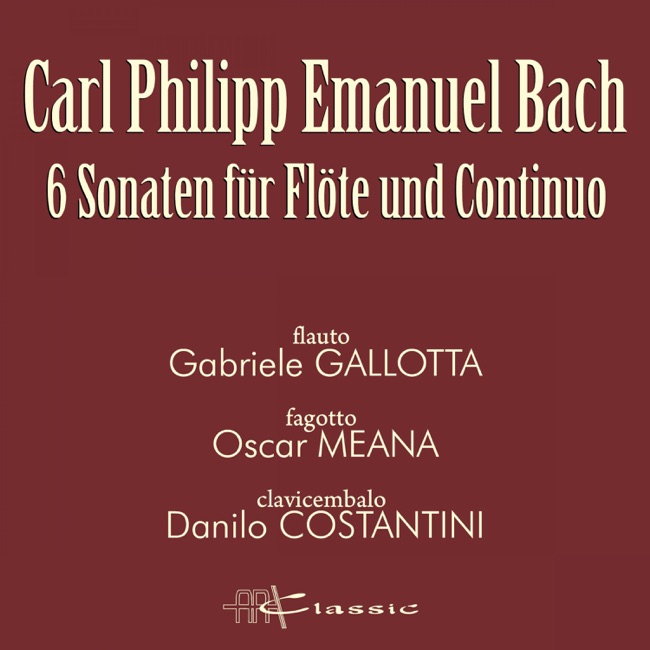
Featured Album
Works Info
Composer:Carl Philipp Emanuel BachGenre:ChamberStyle:SonataCompose Date:1740Publication Date:1958Average_duration:8:42Movement_count:3Movement ....Carl Philipp Emanuel Bach's Sonata for flute & continuo in D major, H. 556, Wq. 129 was composed in 1747. It premiered in Berlin, where Bach was employed as a court musician, and was likely performed by Bach himself on the flute and a colleague on the harpsichord or cello. The sonata is comprised of three movements: an Allegro, an Adagio, and a Presto. The first movement is in sonata form, with a lively and energetic opening theme that is developed throughout the movement. The second movement is a slow and expressive Adagio, featuring a lyrical melody in the flute accompanied by a simple and elegant bass line. The final movement is a lively Presto, with a playful and virtuosic flute part that is supported by a lively and rhythmic continuo. The sonata is characteristic of Bach's style, which is marked by a combination of Baroque and Classical elements. The use of a continuo, a common feature of Baroque music, is combined with the more structured and formal sonata form of the Classical period. The flute part is highly virtuosic, with rapid runs and trills that showcase the instrument's capabilities. The use of ornamentation, such as trills and turns, is also a hallmark of Bach's style. Overall, the Sonata for flute & continuo in D major, H. 556, Wq. 129 is a charming and engaging work that showcases Bach's skill as a composer and his understanding of the capabilities of the flute. Its combination of Baroque and Classical elements makes it a unique and interesting piece that is still enjoyed by audiences today.More....
Works Music
Released Music
1
3:4
2
6:33
3
3:11
4
3:11
5
3:14
6
2:20
7
3:33
8
2:16
9
2:19
Featured Music
1
2:53
2
2:16
3
1:23