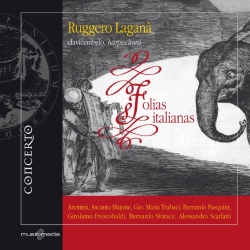
Ruggero Laganà
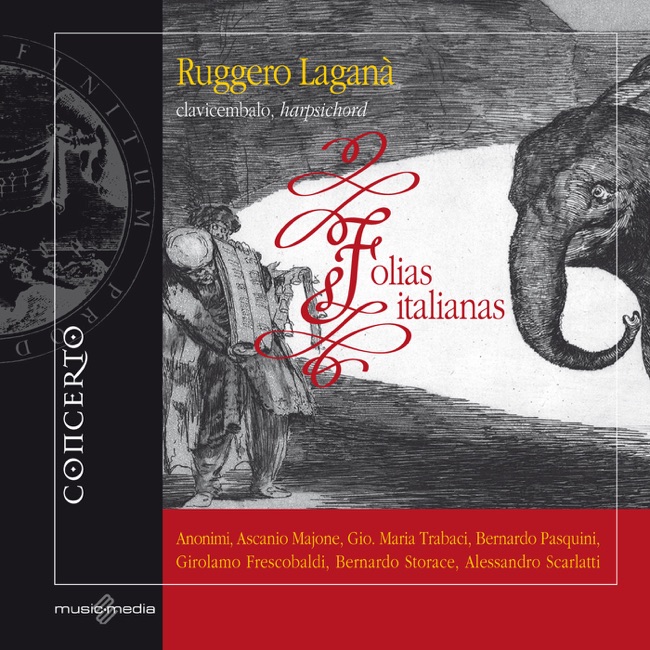
Folias (after an anonymous Spanish melody)
Works Info
Composer:Ruggero LaganàGenre:KeyboardStyle:DanceAverage_duration:4:08Title: Folias (after an anonymous Spanish melody)nComposer: Ruggero LaganànDate of Composition: Unknown$$$Premiere:nThe exact premiere date of Ruggero Laganà's composition "Folias (after an anonymous Spanish melody)" is unknown. However, it is believed to have been composed during the Baroque period, which spanned from the late 16th to the early 18th century. The piece was likely performed in various settings, including private salons, courtly gatherings, and possibly even in churches.$$$Movements:n"Folias (after an anonymous Spanish melody)" is a composition that follows the structure of a traditional folia, a popular dance form during the Baroque era. The piece typically consists of a single movement, characterized by a recurring bass line, known as the "basso ostinato." This bass line serves as the foundation upon which the variations and improvisations are built.$$$Characteristics:nLaganà's "Folias" is a brilliant example of the composer's ability to transform a simple Spanish melody into a complex and captivating composition. The piece showcases Laganà's mastery of counterpoint, ornamentation, and harmonic exploration.$$$The composition begins with a statement of the basso ostinato, a repetitive and hypnotic bass line that remains constant throughout the piece. This bass line provides a solid foundation for the variations and improvisations that follow.$$$As the piece progresses, Laganà introduces a series of variations on the original melody. These variations showcase the composer's virtuosity and creativity, as he explores different rhythmic patterns, melodic embellishments, and harmonic progressions. Laganà's use of ornamentation, such as trills, turns, and mordents, adds a sense of elegance and sophistication to the composition.$$$The overall mood of "Folias" is lively and energetic, reflecting the dance origins of the folia form. Laganà's skillful manipulation of dynamics and tempos creates a sense of tension and release, keeping the listener engaged throughout the piece.$$$In conclusion, Ruggero Laganà's "Folias (after an anonymous Spanish melody)" is a captivating composition that showcases the composer's mastery of the Baroque style. Through his use of variations, ornamentation, and harmonic exploration, Laganà transforms a simple Spanish melody into a complex and dynamic piece of music. Despite the lack of specific information regarding its premiere and date of composition, "Folias" remains a testament to Laganà's talent and contribution to the Baroque repertoire.More....
Works Music
Released Music