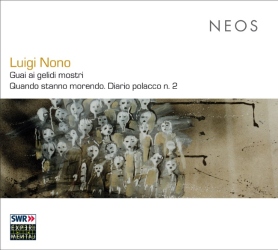
Luigi Nono
Quando stanno morendo. Diario polacco No. 2
Released Album
Recent Album
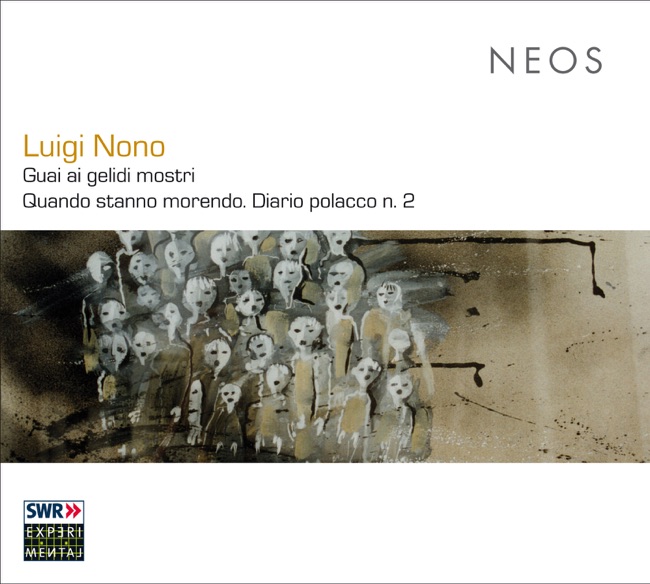
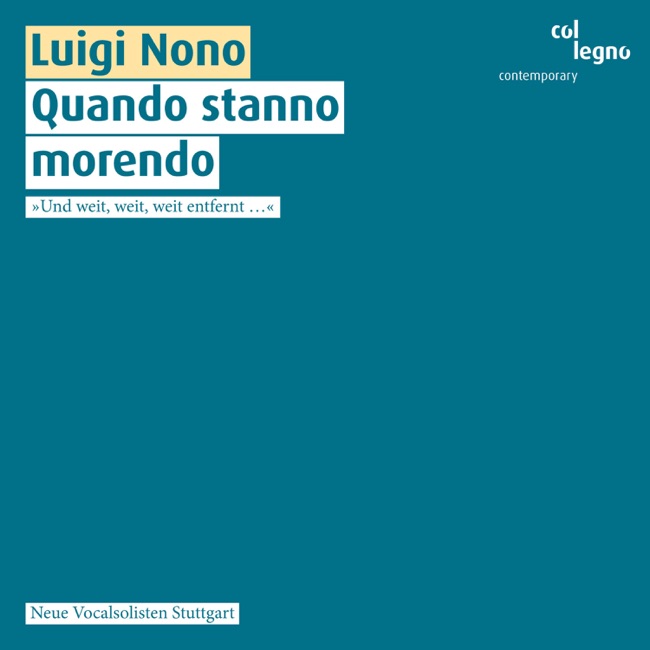
Works Info
Composer:Luigi NonoGenre:VocalStyle:Electronic MusicCompose Date:1982Average_duration:38:26Movement_count:9Movement ...."Quando stanno morendo. Diario polacco No. 2" is a composition by Italian composer Luigi Nono. It was composed in 1982 and premiered on September 12, 1982, at the Venice Biennale. The piece is divided into three movements and has a total duration of approximately 25 minutes. The first movement, "Introduzione," begins with a solo violin playing a series of harmonics. The other instruments gradually join in, creating a dense and dissonant texture. The music builds in intensity, with the performers shouting and whispering fragments of text in various languages. The movement ends with a sudden silence. The second movement, "Studio," features a solo cello playing a series of fragmented melodies. The other instruments provide a backdrop of sustained tones and percussive sounds. The cello gradually becomes more agitated, with the performer shouting and whispering fragments of text. The movement ends with a sudden silence. The third movement, "Canti di vita e d'amore: sul ponte di Hiroshima," is the longest and most complex of the three. It begins with a solo soprano singing a text by Polish poet Anna Swirszczynska. The other instruments gradually join in, creating a dense and chaotic texture. The performers shout and whisper fragments of text in various languages, including Polish, German, and Italian. The music builds in intensity, with the performers shouting and singing at the top of their lungs. The movement ends with a sudden silence. "Quando stanno morendo. Diario polacco No. 2" is a powerful and emotionally charged work that reflects Nono's political and social concerns. The piece is dedicated to the memory of the victims of fascism and war, and it expresses a sense of outrage and despair at the atrocities committed in the name of ideology. The music is characterized by its dissonant harmonies, complex rhythms, and use of extended techniques, such as multiphonics and glissandi. The performers are called upon to use their voices as well as their instruments, creating a sense of collective expression and solidarity. Overall, "Quando stanno morendo. Diario polacco No. 2" is a challenging and thought-provoking work that demands the listener's full attention and engagement.More....
Works Music