Paul Peuerl
O Musika du edle Kunst
Released Album
Recent Album
Works Info
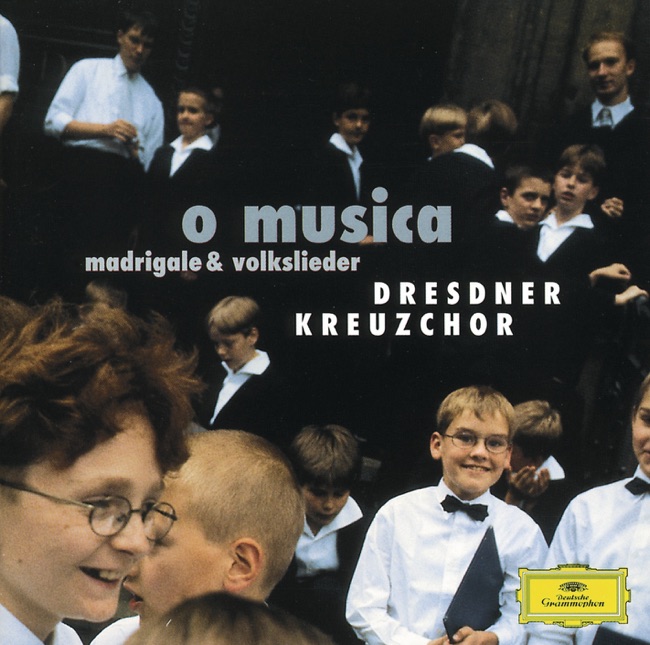
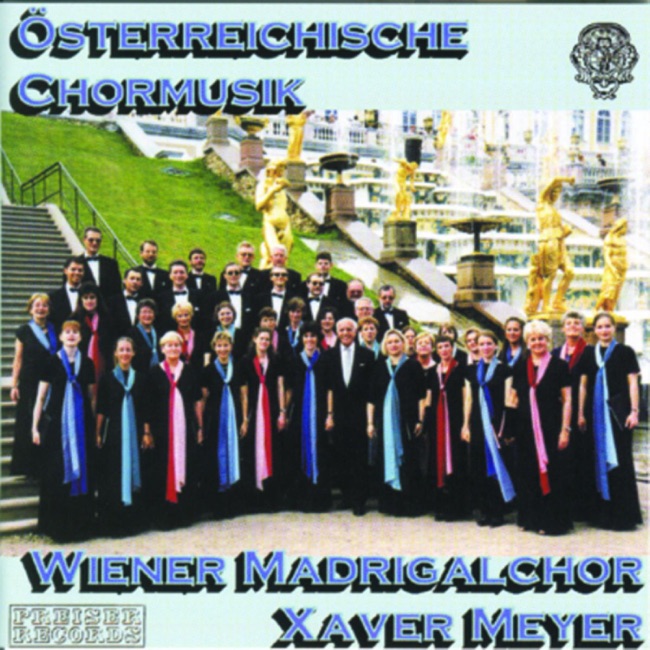
Composer:Paul PeuerlGenre:ChoralStyle:ChoralAverage_duration:1:34"O Musika du edle Kunst" is a collection of instrumental music composed by Paul Peuerl, a German composer and organist who lived from 1570 to 1625. The collection was published in Nuremberg in 1611 and consists of 122 pieces, divided into 10 movements. The premiere of "O Musika du edle Kunst" is not known, but it was likely performed in the courts and churches of Germany during the early 17th century. The collection is notable for its use of various instrumental combinations, including solo pieces for lute and keyboard, as well as ensemble works for violins, cornets, and trombones. The first movement of "O Musika du edle Kunst" is a prelude for keyboard, which sets the tone for the collection with its lively rhythms and intricate counterpoint. The second movement is a suite of dances, including a pavane, galliard, and allemande, which showcase Peuerl's skill in writing for multiple instruments. The third movement is a set of variations on a popular song of the time, "Es ist ein Schnitter, der heißt Tod" (There is a reaper, his name is Death), which Peuerl transforms into a lively and virtuosic instrumental piece. The fourth movement is a set of canzonas for brass instruments, which feature intricate imitative writing and bold harmonies. The fifth movement is a set of fantasias for violins, which showcase Peuerl's skill in writing for string instruments. The sixth movement is a set of dances for lute, which feature intricate fingerpicking patterns and delicate ornamentation. The seventh movement is a set of sonatas for keyboard and violin, which feature lively dialogues between the two instruments. The eighth movement is a set of canzonas for cornets and trombones, which feature bold and majestic harmonies. The ninth movement is a set of dances for keyboard, which feature lively rhythms and intricate ornamentation. The final movement is a set of variations on a popular song of the time, "Ich weiß nicht, was soll es bedeuten" (I don't know what it means), which Peuerl transforms into a lively and virtuosic instrumental piece. Overall, "O Musika du edle Kunst" is a diverse and engaging collection of instrumental music, which showcases Peuerl's skill in writing for a variety of instruments and genres. Its lively rhythms, intricate counterpoint, and bold harmonies make it a valuable contribution to the early Baroque repertoire.More....