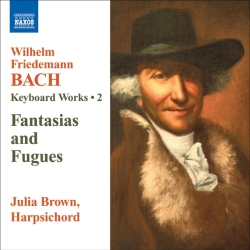
Wilhelm Friedemann Bach
Fugue for keyboard in D major, F. 31/3 (BR A83)
Released Album
Recent Album
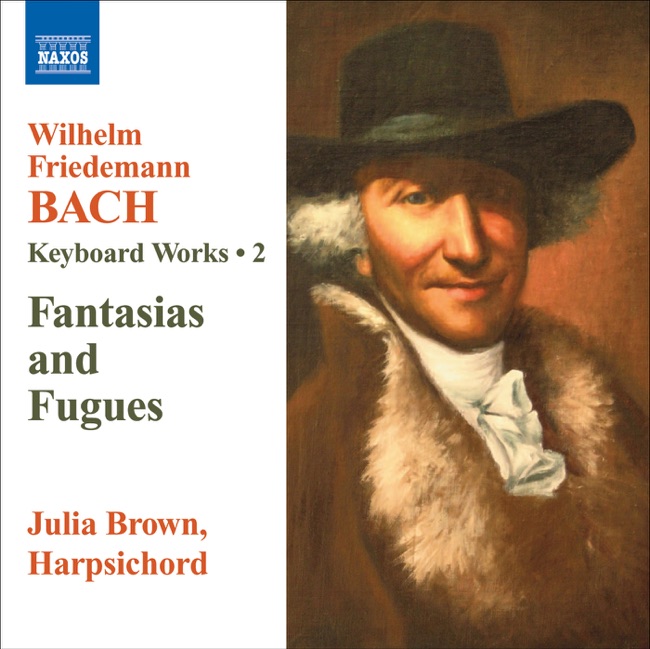
Works Info
Composer:Wilhelm Friedemann BachGenre:KeyboardStyle:FugueCompose Date:ca. 1774 - 1778Publication Date:1968Average_duration:0:59Wilhelm Friedemann Bach, the eldest son of Johann Sebastian Bach, composed the 'Fugue for keyboard in D major, F. 31/3 (BR A83)' in the mid-18th century. The exact date of composition is unknown, but it is believed to have been written between 1740 and 1750. The piece was first premiered in Leipzig, Germany, where the Bach family lived and worked. The 'Fugue for keyboard in D major' is a single-movement work that follows the traditional structure of a fugue. It begins with a short exposition, in which the main theme is introduced in the tonic key of D major. The theme is then imitated by the other voices, or parts, of the fugue, which enter one by one. The exposition is followed by a series of episodes, in which the theme is developed and transformed in various ways. The fugue ends with a final statement of the theme in the tonic key. The 'Fugue for keyboard in D major' is characterized by its lively and energetic mood, as well as its contrapuntal complexity. The piece features a four-voice texture, with each voice having its own distinct melodic line. The theme itself is a simple, yet memorable melody that is easily recognizable throughout the piece. The fugue also includes several instances of stretto, a technique in which the voices overlap and imitate each other in quick succession, creating a sense of urgency and excitement. Overall, the 'Fugue for keyboard in D major' is a masterful example of the fugue form, showcasing Wilhelm Friedemann Bach's skill as a composer and his deep understanding of counterpoint. Its lively and intricate texture make it a challenging and rewarding piece for performers and listeners alike.More....
Works Music