Andrea Gabrieli
Praeambulum quarti toni
Released Album
Recent Album
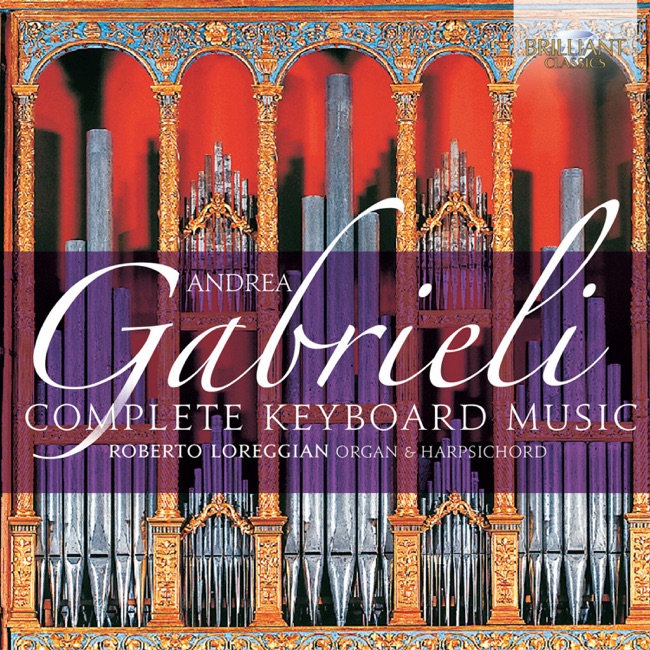
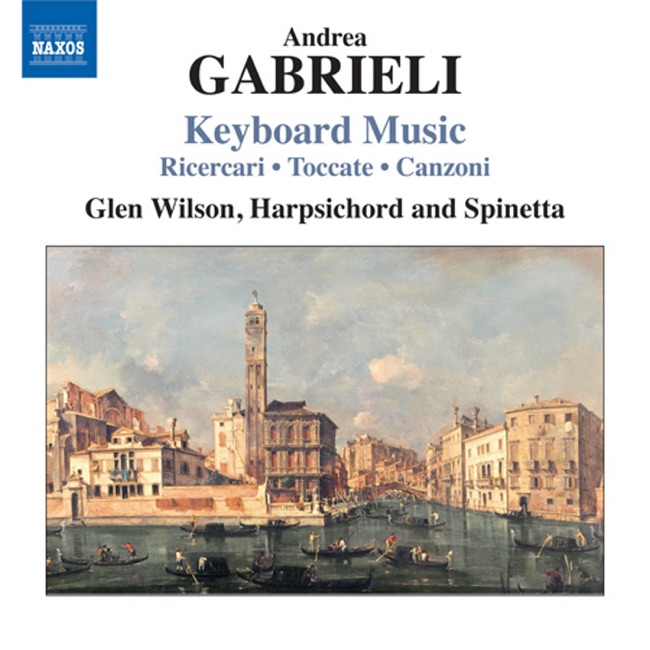
Works Info
Composer:Andrea GabrieliGenre:KeyboardStyle:KeyboardAndrea Gabrieli was a prominent Italian composer of the Renaissance period, known for his contributions to the development of instrumental music. One of his most famous works is the "Praeambulum quarti toni," a piece for organ that showcases his mastery of counterpoint and harmonic complexity. The "Praeambulum quarti toni" was composed in the late 16th century, during Gabrieli's tenure as organist at St. Mark's Basilica in Venice. It is believed to have been written around 1587, although the exact date is uncertain. The piece is part of a collection of organ works known as the "Ricercari et Canzoni," which Gabrieli published in 1595. The "Praeambulum quarti toni" is a single-movement work that is characterized by its intricate counterpoint and use of chromatic harmonies. The piece begins with a slow, stately introduction that sets the tone for the rest of the work. This is followed by a series of fugues and canons that showcase Gabrieli's skill at weaving together multiple melodic lines. One of the most notable features of the "Praeambulum quarti toni" is its use of dissonance. Gabrieli employs a variety of chromatic harmonies and suspensions throughout the piece, creating a sense of tension and release that is characteristic of the late Renaissance period. The work also features a number of virtuosic passages for the organist, including rapid runs and arpeggios that demonstrate the instrument's capabilities. The "Praeambulum quarti toni" premiered in Venice, likely at St. Mark's Basilica, where Gabrieli was organist. The piece was well-received by audiences and quickly became a staple of the organ repertoire. Today, it is still performed and studied by organists around the world, and is considered one of Gabrieli's most important works.More....
Works Music