


Johann Christian Bach
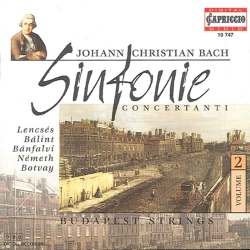
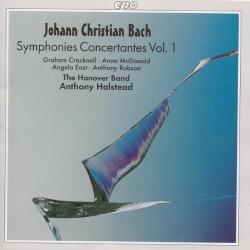
Symphonie Concertante in G major, CW C32 (T. 284/1)
Released Album
Recent Album
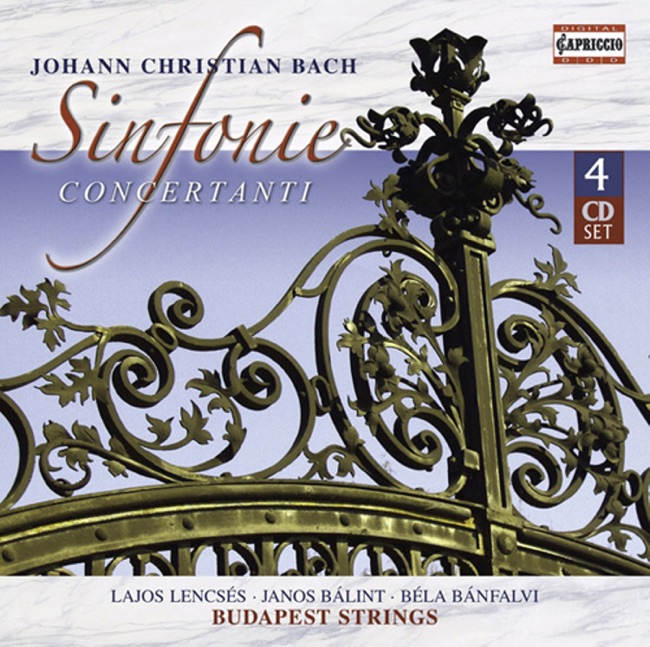
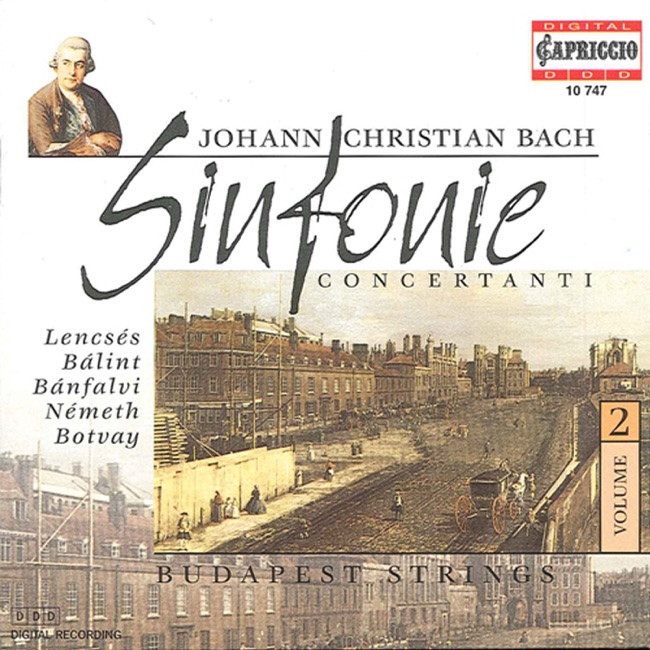
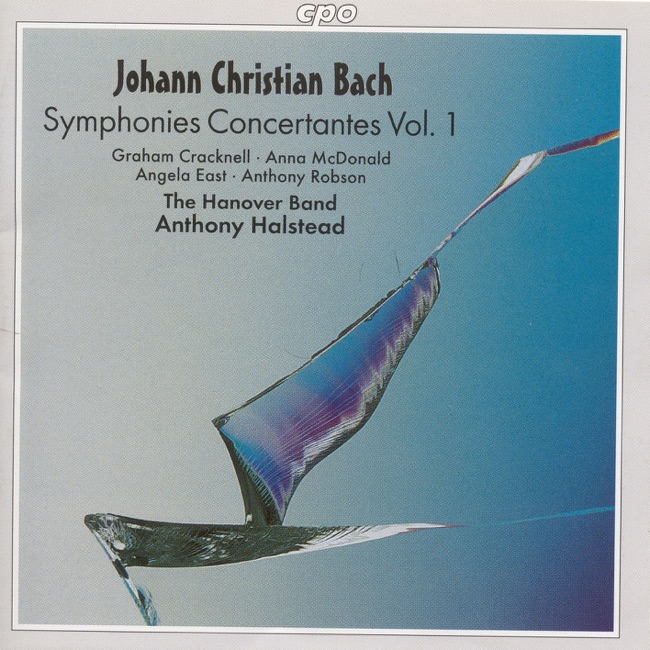
Works Info
Composer:Johann Christian BachGenre:ConcertoStyle:ConcertoCompose Date:1772Publication Date:Feb 20, 1772Average_duration:16:38Movement_count:3Movement ....Johann Christian Bach's 'Symphonie Concertante in G major, CW C32 (T. 284/1)' was composed in the mid-1770s. It premiered in London in 1775, likely at one of the composer's own concerts. The work is scored for two solo violins, cello, and orchestra. The symphonie concertante is comprised of three movements. The first movement, marked Allegro, is in sonata form and features a lively and energetic theme that is passed between the soloists and the orchestra. The second movement, marked Andante, is a beautiful and lyrical adagio that showcases the soloists' ability to play with sensitivity and expression. The final movement, marked Allegro assai, is a lively and playful rondo that brings the work to a joyful conclusion. One of the most notable characteristics of this work is its use of the symphonie concertante form, which was popular in the mid-18th century. This form typically features multiple soloists who interact with each other and with the orchestra, creating a rich and complex texture. Bach's use of this form in the 'Symphonie Concertante in G major' highlights his skill as a composer and his ability to create music that is both technically challenging and musically engaging. Another characteristic of this work is its use of the G major key, which was a popular key for composers of the time. This key is known for its bright and cheerful sound, which is evident throughout the symphonie concertante. Bach's use of this key helps to create a sense of joy and celebration in the music, making it a perfect choice for a work that is meant to showcase the talents of the soloists and the orchestra. Overall, Johann Christian Bach's 'Symphonie Concertante in G major, CW C32 (T. 284/1)' is a beautiful and engaging work that showcases the composer's skill as a composer and his ability to create music that is both technically challenging and musically satisfying. Its use of the symphonie concertante form and the G major key make it a perfect example of the music of the mid-18th century, and it remains a popular work among both performers and audiences today.More....
Works Music
Released Music
1
6:27
2
6:54
3
7:16