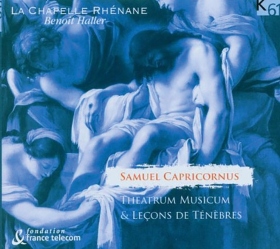
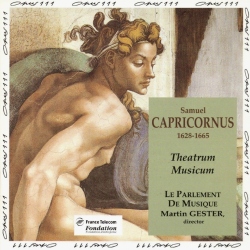
Samuel Capricornus
Quis Dabit Capiti Meo Aquam
Released Album
Recent Album
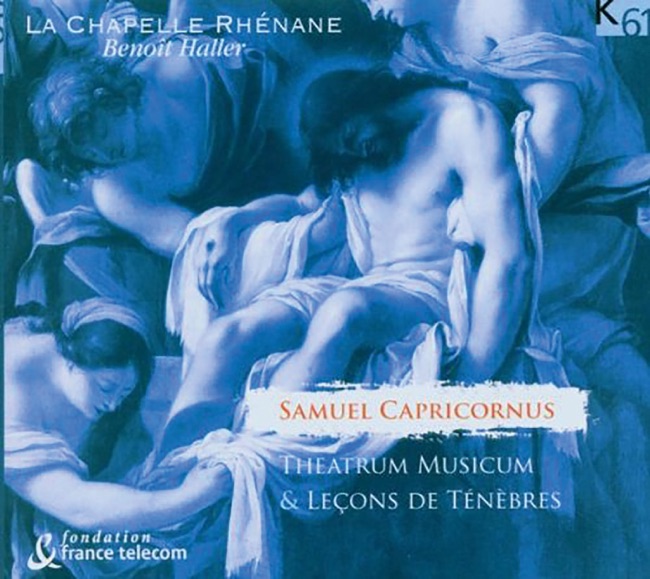
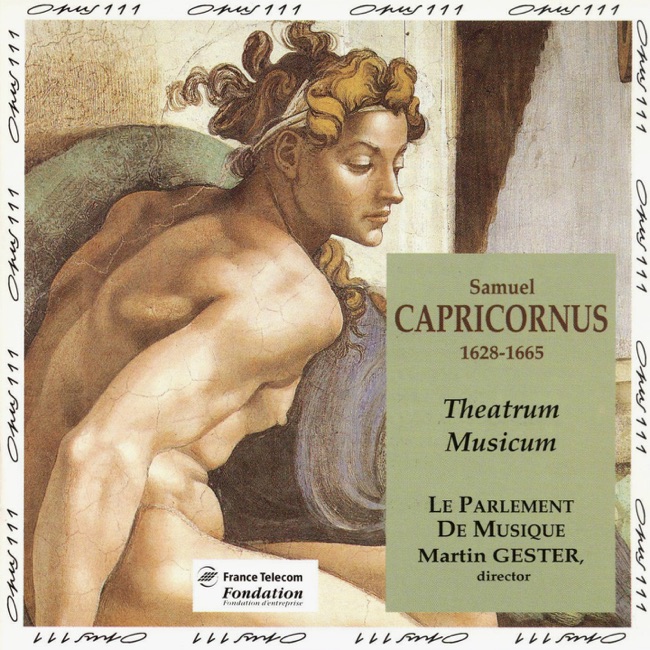
Works Info
Composer:Samuel CapricornusGenre:VocalStyle:Vocal MusicAverage_duration:6:38"Quis Dabit Capiti Meo Aquam" is a sacred vocal work composed by Samuel Capricornus, a German composer of the Baroque era. The piece was composed in the mid-17th century and premiered in 1657 in Prague, Czech Republic. The work is divided into six movements, each of which is based on a different verse from the Book of Lamentations. The text is in Latin and the music is written for four-part choir and basso continuo. The first movement, "Quis Dabit Capiti Meo Aquam," is a lamentation in which the speaker asks who will give him water to quench his thirst. The music is slow and mournful, with long, sustained notes and dissonant harmonies that reflect the sadness of the text. The second movement, "Recordare Domine," is a plea for God's mercy. The music is more hopeful than the first movement, with brighter harmonies and a more lively tempo. The third movement, "Deus Meus," is a prayer for God's help in times of trouble. The music is slow and contemplative, with a simple melody that is repeated throughout the movement. The fourth movement, "Vide Domine," is a plea for God to see the speaker's suffering and come to his aid. The music is more complex than the previous movements, with intricate harmonies and a faster tempo. The fifth movement, "Jerusalem Surge," is a call to action for the people of Jerusalem to rise up and rebuild their city. The music is lively and energetic, with a driving rhythm and bright harmonies that reflect the optimism of the text. The final movement, "Sicut Aquila," is a prayer for strength and courage. The music is slow and majestic, with soaring melodies and rich harmonies that reflect the power and majesty of the eagle, which is used as a metaphor for God's strength. Overall, "Quis Dabit Capiti Meo Aquam" is a powerful and emotional work that reflects the religious and cultural context of the Baroque era. The music is characterized by its use of dissonance, complex harmonies, and intricate counterpoint, which were all hallmarks of the Baroque style. The text is deeply spiritual and reflects the religious beliefs of the time, which emphasized the importance of faith and the need for divine intervention in times of trouble.More....
Works Music
Released Music