Pedro de Escobar
Virgen Bendita Sin Par for ensemble
Released Album
Recent Album
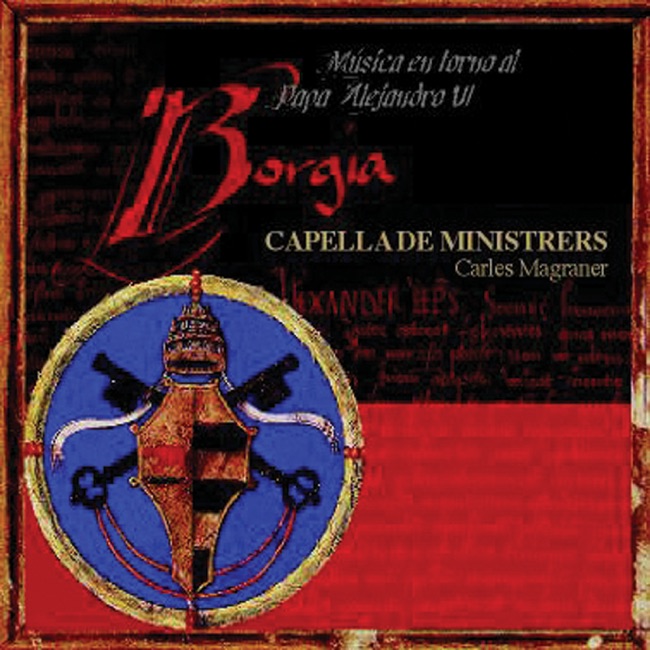
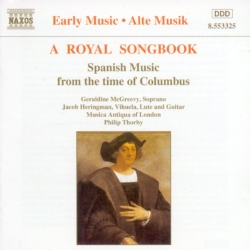
Featured Album
Works Info
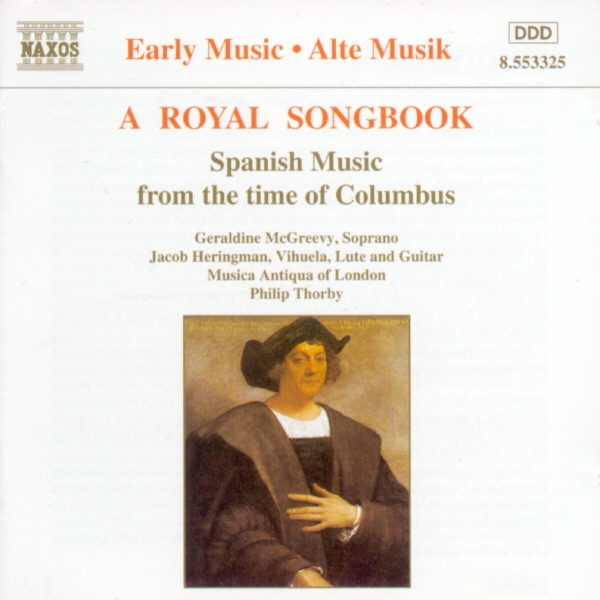
Composer:Pedro de EscobarGenre:ChamberStyle:Chamber MusicAverage_duration:2:51"Virgen Bendita Sin Par" is a sacred work composed by Pedro de Escobar, a Spanish composer and singer of the Renaissance period. The piece was composed in the late 15th century and is believed to have been premiered in the royal chapel of King Ferdinand and Queen Isabella of Spain. The work is written for a small ensemble of voices and instruments, including a choir of four voices (soprano, alto, tenor, and bass) and a small instrumental ensemble consisting of vihuela, harp, and percussion. The piece is divided into three movements, each of which is characterized by its own unique musical style and mood. The first movement is a solemn and reverent hymn to the Virgin Mary, sung in a simple and straightforward style. The second movement is a lively and rhythmic dance, featuring the vihuela and harp in a lively and intricate duet. The final movement is a joyful and celebratory hymn, sung in a lively and exuberant style. Throughout the piece, Escobar employs a variety of musical techniques and devices to create a rich and varied musical texture. These include polyphony, counterpoint, and imitation, as well as the use of different musical modes and rhythms. Overall, "Virgen Bendita Sin Par" is a beautiful and expressive work that showcases Escobar's skill as a composer and his deep devotion to the Virgin Mary. Its combination of solemnity, joy, and celebration make it a fitting tribute to the Blessed Virgin and a testament to the enduring power of sacred music.More....
Works Music
Released Music
Featured Music