


Georg Philipp Telemann
Concerto for violin in A major "Die Relinge", TWV 51:A4
Released Album
Recent Album
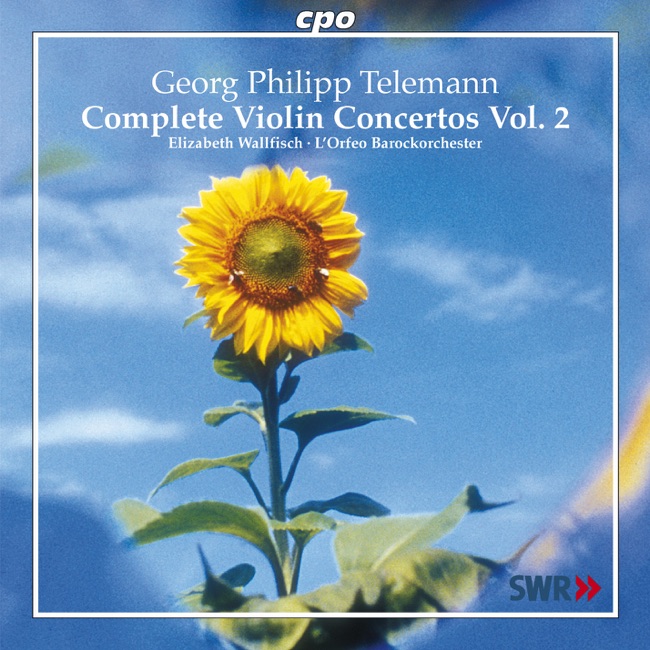
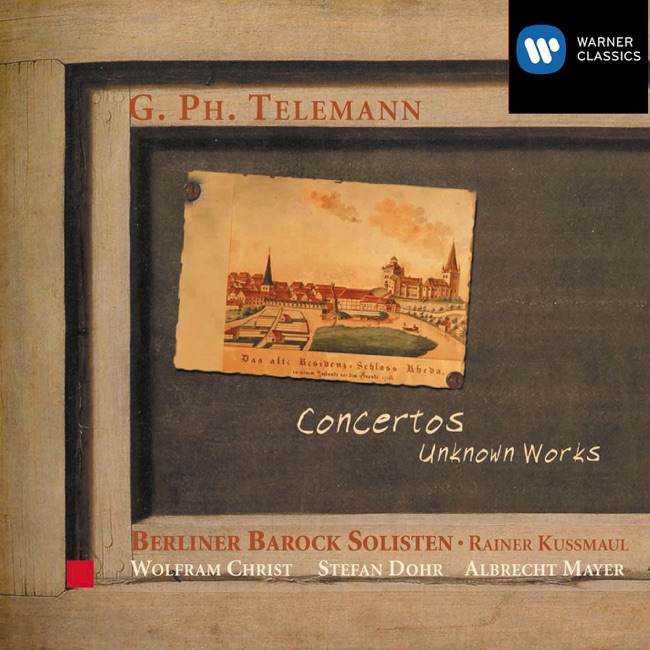
Featured Album
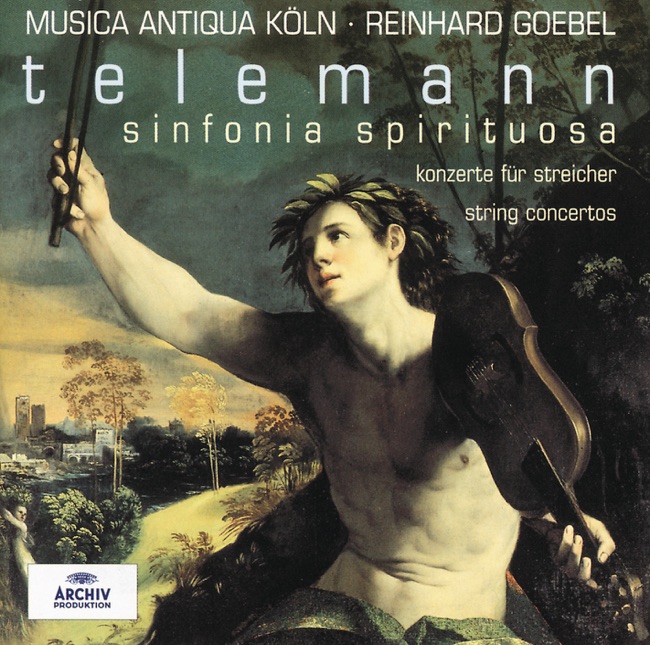
Works Info
Composer:Georg Philipp TelemannGenre:ConcertoStyle:ConcertoCompose Date:before 1768Average_duration:11:43Movement_count:4Movement ....Georg Philipp Telemann's Concerto for violin in A major Die Relinge, TWV 51:A4, was composed in the early 18th century. The exact date of composition is unknown, but it is believed to have been written between 1715 and 1720. The concerto was premiered in Leipzig, Germany, where Telemann was the director of music for the city's five main churches. The concerto is divided into three movements: Allegro, Adagio, and Allegro. The first movement is characterized by its lively and energetic tempo, with the violin taking center stage and leading the orchestra through a series of intricate and virtuosic passages. The second movement, Adagio, is a slow and contemplative piece that showcases the violin's ability to convey emotion and depth of feeling. The final movement, Allegro, returns to the lively and energetic tempo of the first movement, with the violin once again taking center stage and leading the orchestra through a series of complex and challenging passages. One of the most notable characteristics of Telemann's Concerto for violin in A major Die Relinge, TWV 51:A4, is its use of the violin as a solo instrument. Telemann was known for his innovative use of the violin in his compositions, and this concerto is no exception. The violin is given ample opportunity to showcase its technical prowess and virtuosity, with the orchestra providing a rich and supportive backdrop. Another notable characteristic of the concerto is its use of counterpoint. Telemann was a master of counterpoint, and this concerto is a prime example of his skill in this area. The violin and orchestra engage in a lively and intricate interplay, with each instrument contributing to the overall texture and complexity of the piece. Overall, Telemann's Concerto for violin in A major Die Relinge, TWV 51:A4, is a masterful example of Baroque music. Its use of the violin as a solo instrument, its intricate counterpoint, and its lively and energetic tempo all contribute to its enduring popularity among classical music enthusiasts.More....
Works Music
Released Music
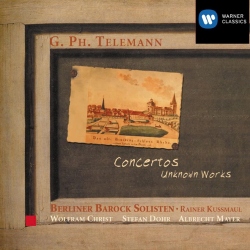
Featured Music
1
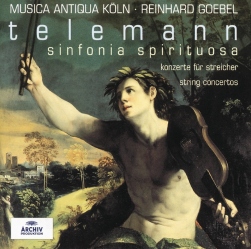
5:58
2
2:26
3
2:23