


Heinrich Ignaz Franz von Biber
Sonata pro Tabula à 10 in C major, C. 112
Released Album
Recent Album
Works Info
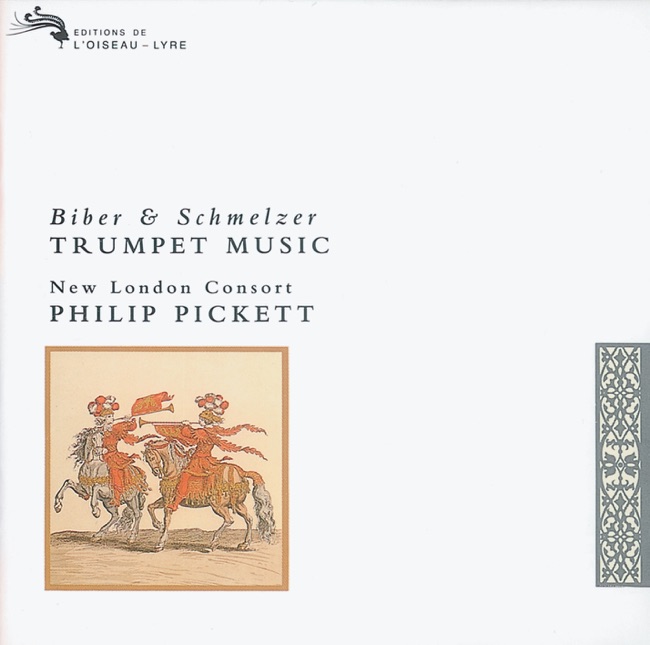
Composer:Heinrich Ignaz Franz von BiberGenre:ChamberStyle:SonataPublication Date:1963Average_duration:4:48Heinrich Ignaz Franz von Biber's 'Sonata pro Tabula à 10 in C major, C. 112' is a Baroque masterpiece that was composed in the late 17th century. The piece was premiered in Salzburg, Austria, in 1676, and it is considered one of Biber's most significant works. The 'Sonata pro Tabula à 10' is a multi-movement work that is divided into four sections. The first movement is a lively and energetic Allegro, which features a complex interplay between the various instruments. The second movement is a slow and contemplative Adagio, which showcases the expressive capabilities of the ensemble. The third movement is a lively and dance-like Allegro, which features a catchy melody and intricate counterpoint. The final movement is a majestic and triumphant Allegro, which brings the work to a thrilling conclusion. One of the most notable characteristics of the 'Sonata pro Tabula à 10' is its use of multiple instruments. The piece is scored for two violins, two violas, two cellos, two trumpets, and timpani. This large ensemble allows Biber to create a rich and complex sound that is both powerful and nuanced. Another notable characteristic of the piece is its use of counterpoint. Biber was a master of counterpoint, and he uses this technique extensively throughout the 'Sonata pro Tabula à 10'. The interplay between the various instruments is intricate and complex, creating a rich tapestry of sound that is both beautiful and intellectually stimulating. Overall, the 'Sonata pro Tabula à 10' is a masterpiece of Baroque music that showcases Biber's incredible skill as a composer. Its use of multiple instruments, intricate counterpoint, and complex harmonies make it a challenging and rewarding work for both performers and listeners alike.More....
Works Music
Released Music
1
4:18
2
4:18
3

5:57