


Niccolò Paganini
Introduction and Variations on "Non più mesta" from Rossini's "La cenerentola", Op. 12; MS 22
Released Album
Recent Album
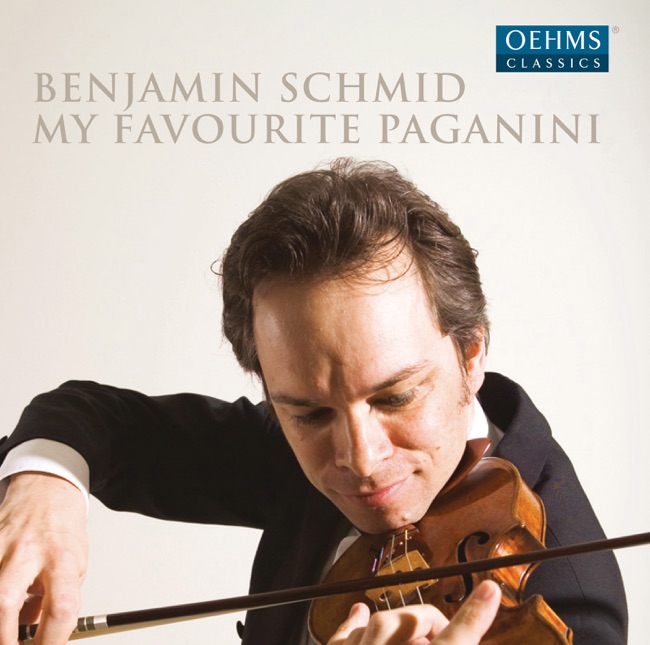

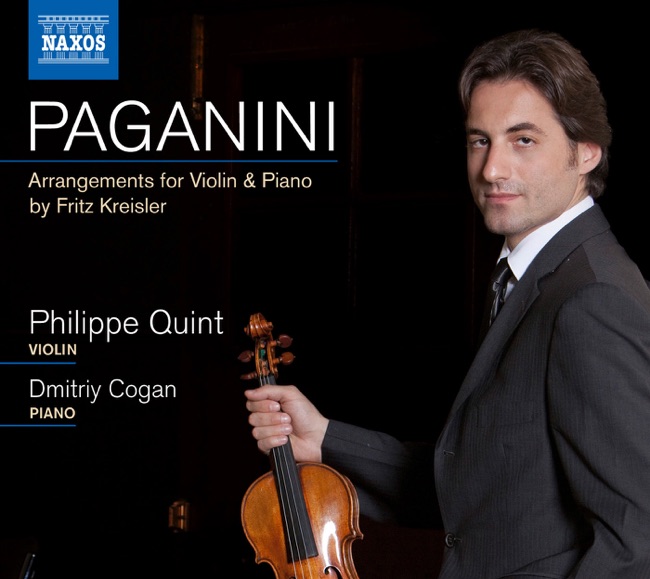
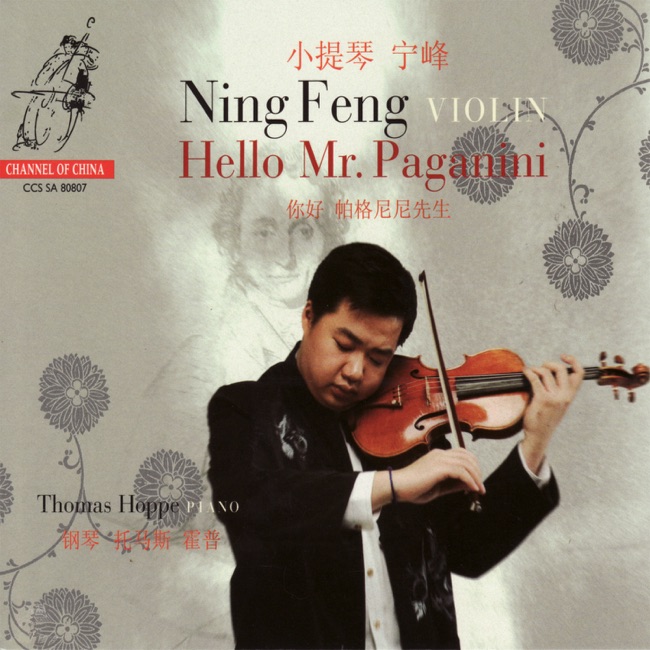
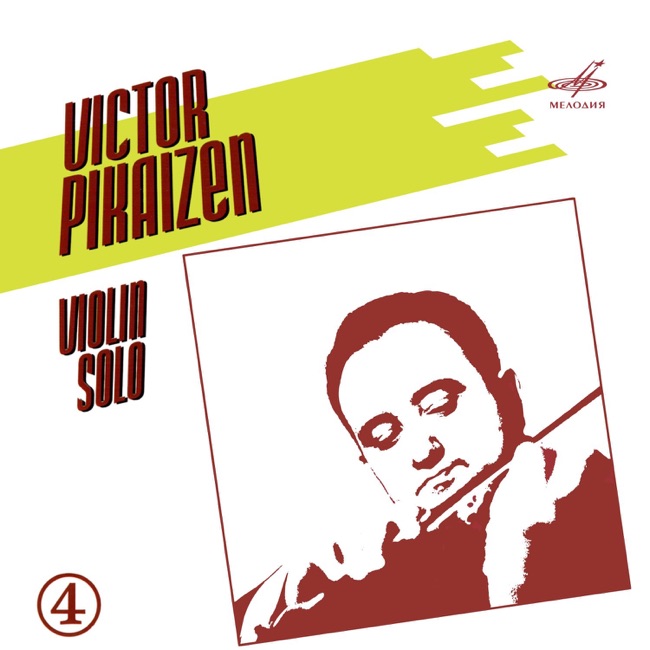
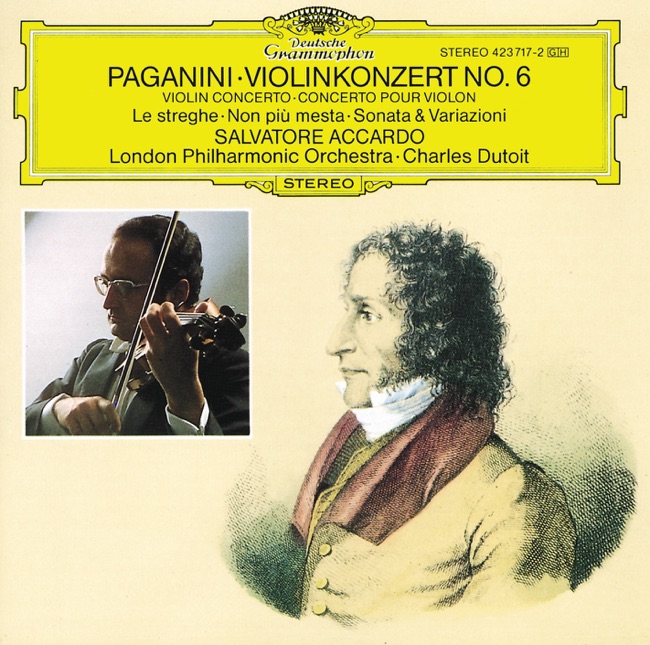
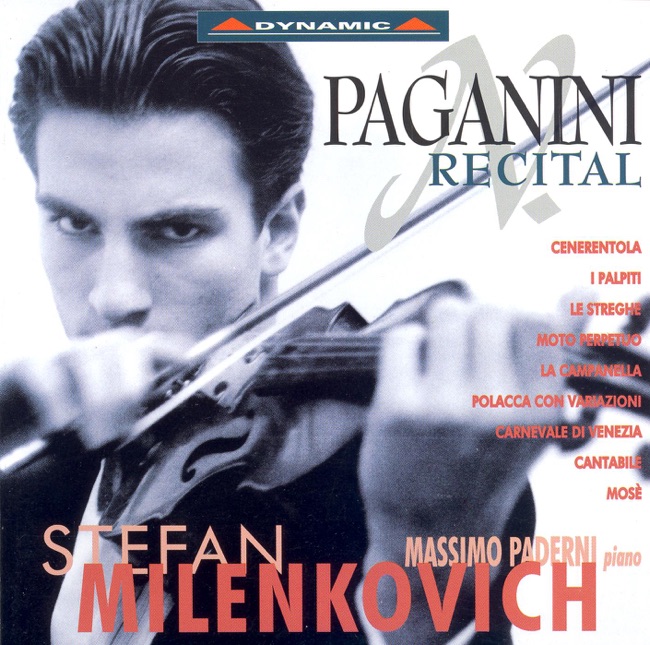
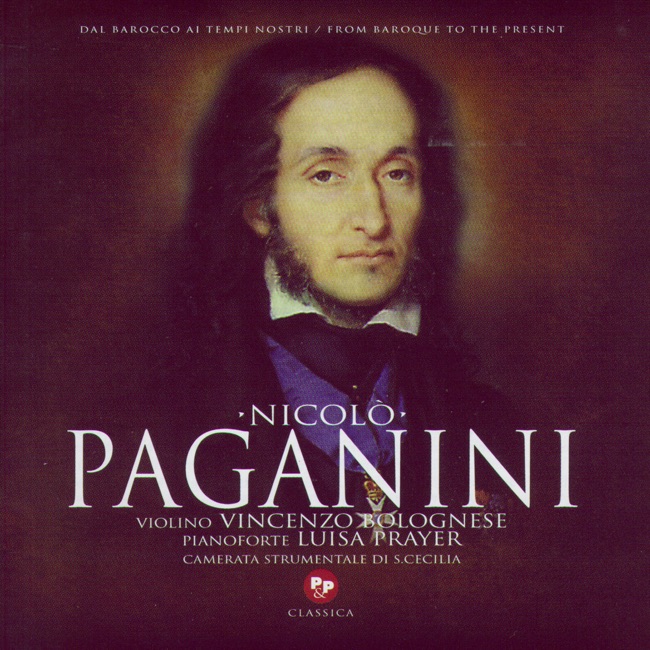
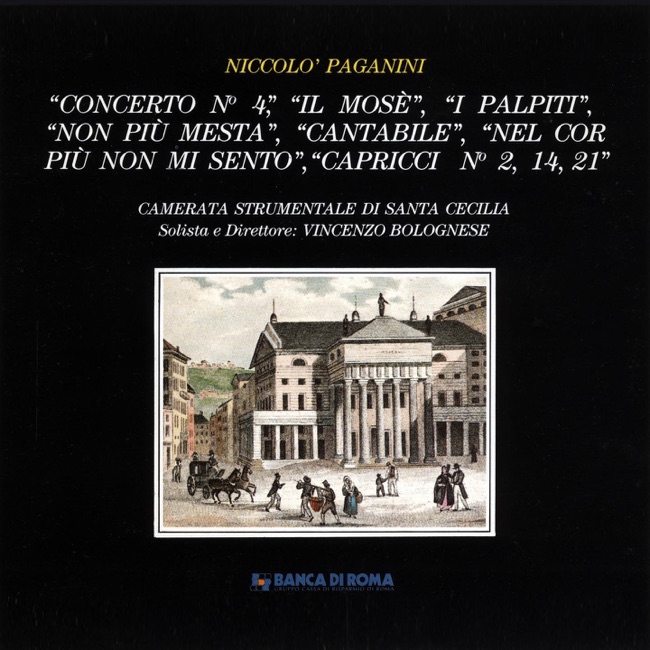
Works Info
Composer:Niccolò PaganiniGenre:ConcertoStyle:ConcertoCompose Date:1819Publication Date:1851Average_duration:11:00Movement_count:7Movement ....Niccolò Paganini's "Introduction and Variations on Non più mesta from Rossini's La cenerentola, Op. 12; MS 22" is a virtuosic work for solo violin and orchestra. It was composed in 1819 and premiered in Milan in the same year. The piece consists of an introduction followed by ten variations on the aria "Non più mesta" from Gioachino Rossini's opera La Cenerentola. The introduction is marked Adagio and features a lyrical melody played by the solo violin. The orchestra provides a simple accompaniment, allowing the soloist to showcase their expressive abilities. The first variation is marked Allegro and features rapid runs and arpeggios in the solo violin part. The orchestra provides a lively accompaniment, creating a sense of excitement and energy. The second variation is marked Andante and features a more lyrical melody in the solo violin part. The orchestra provides a gentle accompaniment, creating a sense of intimacy and tenderness. The third variation is marked Allegro and features rapid runs and arpeggios in the solo violin part. The orchestra provides a lively accompaniment, creating a sense of excitement and energy. The fourth variation is marked Andante and features a more lyrical melody in the solo violin part. The orchestra provides a gentle accompaniment, creating a sense of intimacy and tenderness. The fifth variation is marked Allegro and features rapid runs and arpeggios in the solo violin part. The orchestra provides a lively accompaniment, creating a sense of excitement and energy. The sixth variation is marked Andante and features a more lyrical melody in the solo violin part. The orchestra provides a gentle accompaniment, creating a sense of intimacy and tenderness. The seventh variation is marked Allegro and features rapid runs and arpeggios in the solo violin part. The orchestra provides a lively accompaniment, creating a sense of excitement and energy. The eighth variation is marked Andante and features a more lyrical melody in the solo violin part. The orchestra provides a gentle accompaniment, creating a sense of intimacy and tenderness. The ninth variation is marked Allegro and features rapid runs and arpeggios in the solo violin part. The orchestra provides a lively accompaniment, creating a sense of excitement and energy. The final variation is marked Allegro vivace and features rapid runs and arpeggios in the solo violin part. The orchestra provides a lively accompaniment, creating a sense of excitement and energy. The piece ends with a coda, in which the solo violin plays a virtuosic cadenza before the orchestra brings the work to a close. Overall, Paganini's "Introduction and Variations on Non più mesta from Rossini's La cenerentola, Op. 12; MS 22" is a showcase of virtuosity for the solo violinist. The ten variations explore a range of moods and emotions, from excitement and energy to intimacy and tenderness. The work is a testament to Paganini's skill as a composer and his ability to push the boundaries of what was possible on the violin.More....
Works Music
Released Music
1
1:52
2
10:21
3
12:28
4
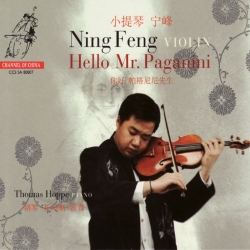
13:21
5
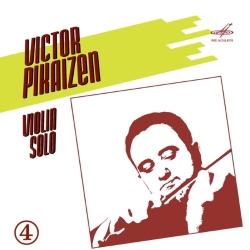
13:43
6
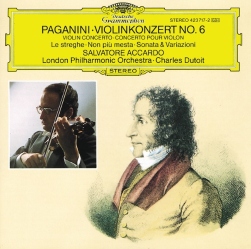
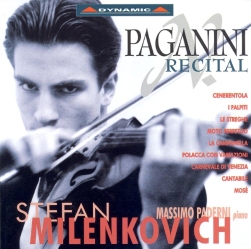
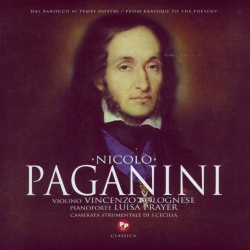
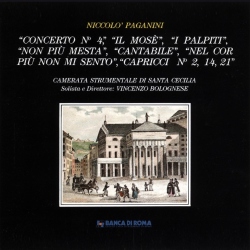
Introduction and Variations on "Non più mesta" from Rossini's "La cinderella", Op. 12; MS 22
Introduzione e Variazioni sul tema Non più mesta da "La Ceneren- tola" di Rossini for violin and orchestra
11:40
7
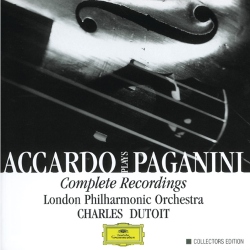
11:40
8
12:2
9
10:51
10
10:49