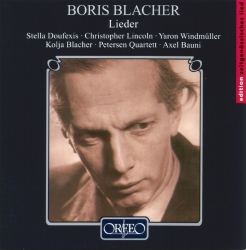
Boris Blacher
Thirteen Ways of Looking at a Blackbird
Released Album
Recent Album
Works Info
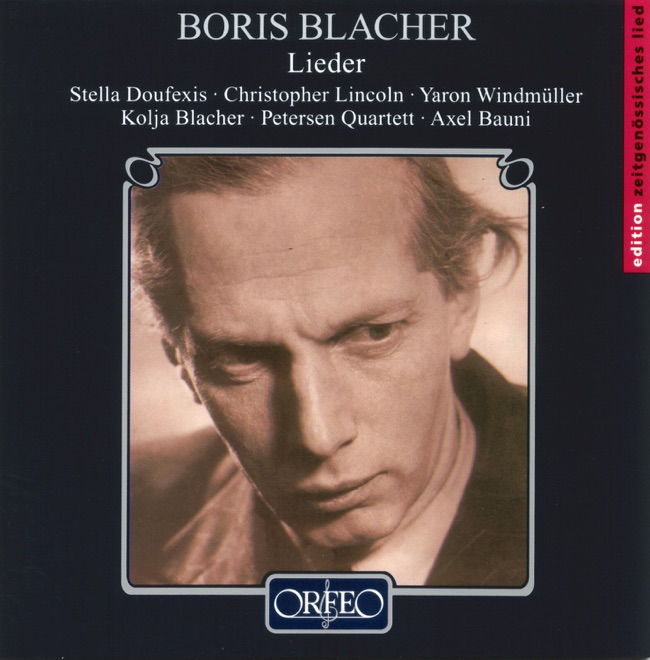
Composer:Boris BlacherGenre:VocalStyle:Vocal MusicCompose Date:1957Average_duration:6:19Boris Blacher's "Thirteen Ways of Looking at a Blackbird" is a composition for chamber orchestra that premiered on October 22, 1959, in Berlin. The piece is based on the poem "Thirteen Ways of Looking at a Blackbird" by Wallace Stevens, and it consists of thirteen movements, each corresponding to a different stanza of the poem. The first movement, "Among twenty snowy mountains," is characterized by a sense of mystery and wonder, with the orchestra evoking the image of a vast, snowy landscape. The second movement, "I was of three minds," is more playful and whimsical, with the orchestra using a variety of percussive and rhythmic effects to create a sense of movement and energy. The third movement, "The blackbird whirled in the autumn winds," is more introspective, with the orchestra using long, sustained notes to create a sense of melancholy and reflection. The fourth movement, "A man and a woman are one," is more romantic and lyrical, with the orchestra using lush, sweeping melodies to evoke a sense of intimacy and connection. The fifth movement, "I do not know which to prefer," is more abstract and experimental, with the orchestra using dissonant harmonies and unconventional rhythms to create a sense of uncertainty and ambiguity. The sixth movement, "The river is moving," is more fluid and dynamic, with the orchestra using flowing, undulating rhythms to evoke the image of a river in motion. The seventh movement, "My heart is in the east," is more contemplative and spiritual, with the orchestra using ethereal, otherworldly sounds to create a sense of transcendence and longing. The eighth movement, "At the sight of blackbirds," is more ominous and foreboding, with the orchestra using dark, brooding harmonies to create a sense of tension and unease. The ninth movement, "The blackbird whistling," is more playful and whimsical, with the orchestra using chirping, bird-like sounds to evoke the image of a blackbird singing. The tenth movement, "I know noble accents," is more regal and majestic, with the orchestra using grand, sweeping melodies to create a sense of nobility and grandeur. The eleventh movement, "When the blackbird flew out of sight," is more introspective and reflective, with the orchestra using sparse, delicate textures to create a sense of emptiness and loss. The twelfth movement, "It was evening all afternoon," is more atmospheric and dreamlike, with the orchestra using shimmering, ethereal sounds to create a sense of twilight and mystery. The final movement, "The blackbird whirled in the autumn winds," is a reprise of the third movement, but with a more triumphant and celebratory tone, as if the blackbird has overcome the challenges and obstacles of the autumn winds. Overall, "Thirteen Ways of Looking at a Blackbird" is a rich and varied composition that showcases Blacher's skill as a composer and his ability to evoke a wide range of emotions and moods through music.More....
Works Music