Johann Rosenmüller
Sonata No. 6 à 3 (Nürnberg 1682)
Released Album
Recent Album
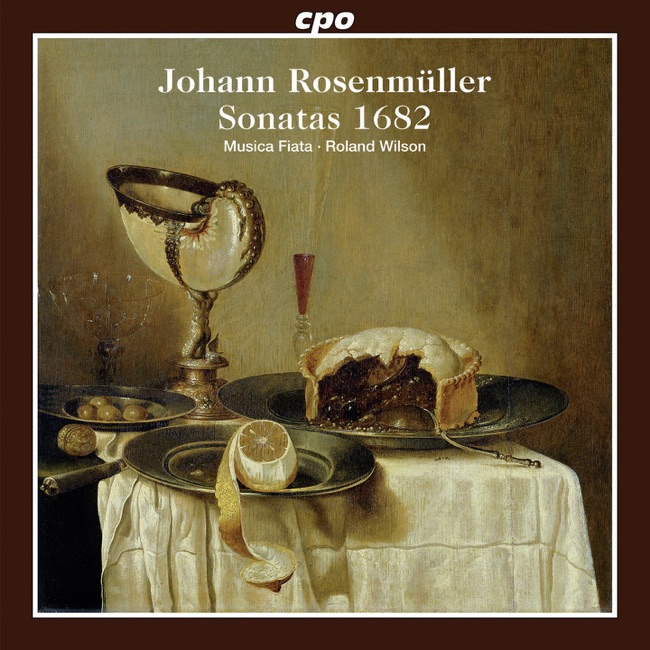
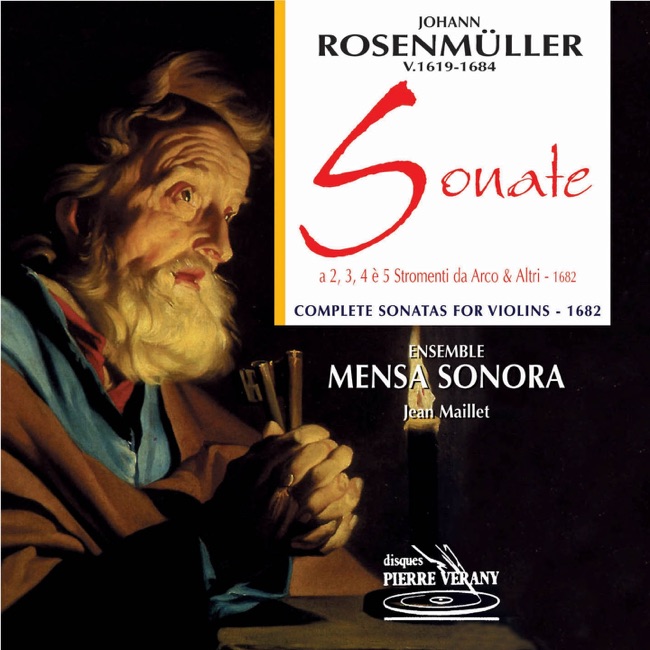
Featured Album
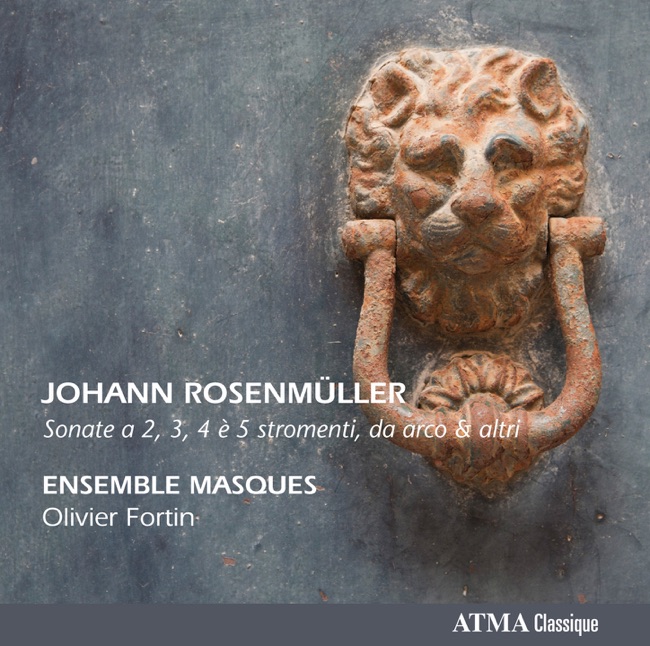
Works Info
Composer:Johann RosenmüllerGenre:ChamberAverage_duration:5:52Johann Rosenmüller's 'Sonata No. 6 à 3 (Nürnberg 1682)' is a Baroque instrumental composition that was composed in 1682. The piece was premiered in Nürnberg, Germany, and is considered to be one of Rosenmüller's most significant works. The 'Sonata No. 6 à 3' is a three-movement piece that features a trio of instruments, including two violins and a basso continuo. The first movement is marked by its lively and energetic tempo, with the violins playing in unison and the basso continuo providing a steady rhythm. The second movement is slower and more contemplative, with the violins playing a more melodic and expressive line. The final movement is a fast and lively dance, with the violins playing in a more complex and intricate pattern. One of the most notable characteristics of the 'Sonata No. 6 à 3' is its use of counterpoint, a technique that was popular in Baroque music. Counterpoint involves the interweaving of multiple melodic lines, creating a complex and layered texture. Rosenmüller's use of counterpoint in this piece is particularly effective, as it adds depth and complexity to the music. Another characteristic of the 'Sonata No. 6 à 3' is its use of ornamentation. Ornamentation involves the addition of decorative flourishes to the music, such as trills, turns, and grace notes. Rosenmüller's use of ornamentation in this piece is particularly effective, as it adds a sense of elegance and refinement to the music. Overall, Johann Rosenmüller's 'Sonata No. 6 à 3 (Nürnberg 1682)' is a significant work in the Baroque instrumental repertoire. Its use of counterpoint and ornamentation, as well as its lively and energetic tempo, make it a compelling and engaging piece of music.More....
Works Music