Eric Coates
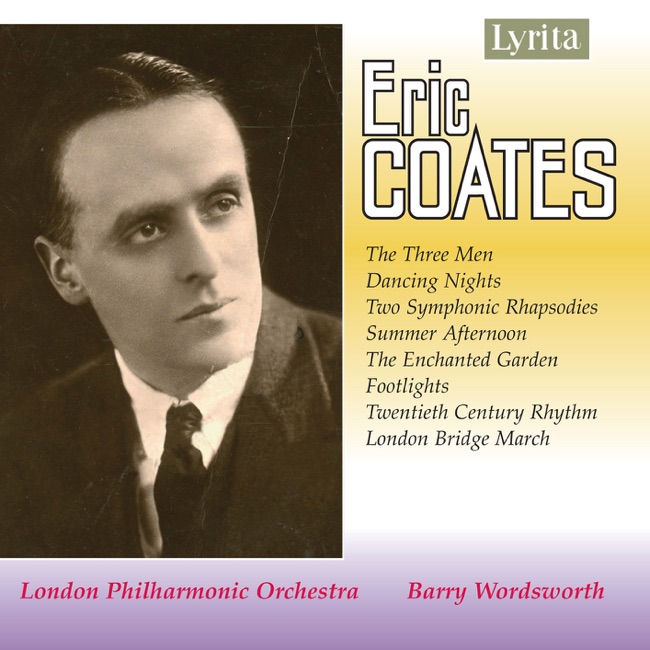
Dancing Nights
Released Album
Recent Album

Featured Album
Works Info
Composer:Eric CoatesGenre:MiscellaneousStyle:WaltzAverage_duration:7:34"Dancing Nights" is a light orchestral suite composed by Eric Coates in 1930. It was premiered on October 16, 1930, at the Queen's Hall in London, conducted by the composer himself. The suite consists of four movements, each of which is inspired by a different dance style. The first movement, "Waltz," is a graceful and romantic piece that captures the elegance and charm of the Viennese waltz. It begins with a gentle melody played by the strings, which is then taken up by the woodwinds and brass. The waltz rhythm is established by the pizzicato strings, and the music builds to a sweeping climax before subsiding into a gentle coda. The second movement, "Polka," is a lively and playful piece that evokes the energy and excitement of the dance. The music is characterized by its jaunty rhythm and catchy melodies, which are passed between the different sections of the orchestra. The middle section of the movement features a slower, more lyrical melody, before returning to the lively polka theme. The third movement, "Mazurka," is a more subdued and melancholic piece that reflects the Polish folk dance from which it takes its name. The music is characterized by its lilting rhythm and haunting melodies, which are played by the strings and woodwinds. The middle section of the movement features a more upbeat melody, before returning to the melancholic theme. The final movement, "Two-Step," is a lively and upbeat piece that captures the energy and excitement of the American dance style from which it takes its name. The music is characterized by its syncopated rhythm and catchy melodies, which are played by the brass and woodwinds. The middle section of the movement features a slower, more lyrical melody, before returning to the lively two-step theme. Overall, "Dancing Nights" is a charming and delightful suite that showcases Coates' skill as a composer of light orchestral music. The four movements are each distinct in character and style, but they are united by their infectious melodies and lively rhythms. The suite has remained popular with audiences and orchestras alike, and it continues to be performed and recorded to this day.More....
Works Music
Released Music

Featured Music