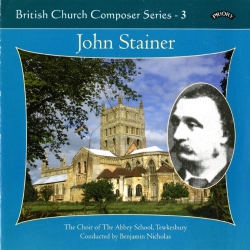
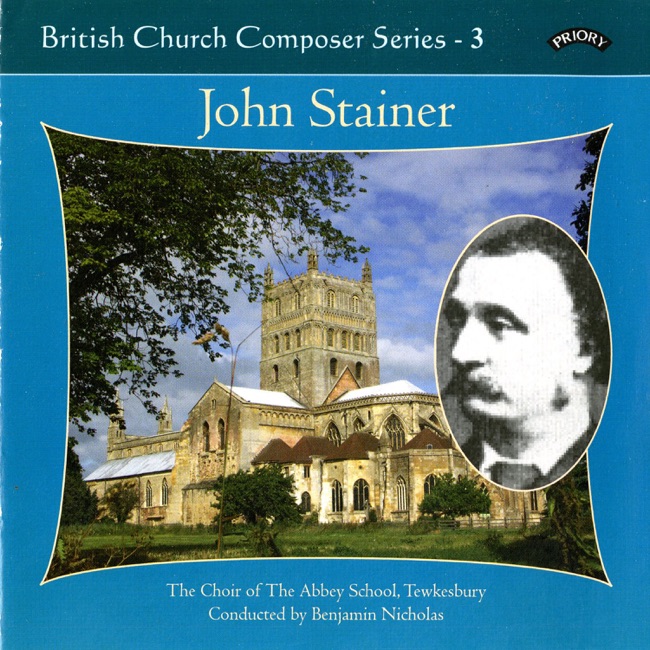
John Stainer
Magnificat in B flat
Released Album
Recent Album
Featured Album
Works Info
Composer:John StainerStyle:MagnificatAverage_duration:6:28John Stainer's Magnificat in B flat is a choral work that was composed in the late 19th century. It was first performed in 1879 at St. Paul's Cathedral in London, England. The piece is divided into five movements, each of which is based on a different section of the Magnificat text. The first movement, "Magnificat anima mea Dominum," is a lively and joyful setting of the opening lines of the Magnificat. The choir sings in unison, with occasional harmonies and counterpoint, while the organ provides a lively accompaniment. The second movement, "Et exultavit spiritus meus," is a more subdued and introspective setting of the text. The choir sings in four-part harmony, with the organ providing a gentle accompaniment. The movement builds to a climax with a soaring soprano solo. The third movement, "Quia respexit humilitatem," is a gentle and lyrical setting of the text. The choir sings in four-part harmony, with the organ providing a delicate accompaniment. The movement features a beautiful alto solo. The fourth movement, "Quia fecit mihi magna," is a lively and celebratory setting of the text. The choir sings in four-part harmony, with the organ providing a lively accompaniment. The movement features a soaring soprano solo. The final movement, "Sicut erat in principio," is a majestic and triumphant setting of the text. The choir sings in four-part harmony, with the organ providing a grand accompaniment. The movement builds to a powerful climax, with the choir and organ combining to create a glorious sound. Overall, Stainer's Magnificat in B flat is a beautiful and uplifting choral work that showcases the composer's skill in setting sacred texts to music. The piece is characterized by its lively rhythms, soaring melodies, and rich harmonies, and is a beloved part of the choral repertoire.More....
Works Music
Released Music
Featured Music