Gregorian Chant
Rorate caeli desuper, introit in mode 4 for the 4th Sunday in Advent
Released Album
Recent Album
Featured Album
Works Info
Composer:Gregorian ChantGenre:ChoralStyle:Chant: GregorianAverage_duration:3:10'Rorate caeli desuper' is an introit in mode 4 for the 4th Sunday in Advent, composed by Gregorian Chant. The piece is believed to have been composed in the 7th century and has been a part of the Catholic liturgy for centuries. The premiere of the piece is unknown, but it has been performed during Advent services for centuries. The piece is divided into two movements, with the first movement being a solo chant and the second movement being a choral response. The first movement begins with the words "Rorate caeli desuper" which translates to "Drop down dew, ye heavens, from above." The soloist sings this phrase three times, each time with increasing intensity. The melody is simple and repetitive, with a descending melodic line that creates a sense of longing and anticipation. The second movement is a choral response to the soloist's chant. The choir responds with the words "et nubes pluant iustum" which translates to "and let the clouds rain the just." The melody of the choral response is more complex than the soloist's chant, with a rising and falling melodic line that creates a sense of movement and energy. The characteristics of 'Rorate caeli desuper' are typical of Gregorian Chant. The melody is simple and chant-like, with a focus on the text and the meaning of the words. The piece is sung in Latin, which adds to its sense of timelessness and universality. The use of modes, specifically mode 4 in this piece, creates a sense of stability and grounding. Overall, 'Rorate caeli desuper' is a beautiful and timeless piece of music that has been a part of the Catholic liturgy for centuries. Its simple melody and focus on the text make it a powerful expression of the longing and anticipation of Advent.More....
Works Music
Released Music
1
Rorate caeli desuper, introit in mode 4 for the 4th Sunday in Advent
Rorate caeli desuper (Introitus vom IV. Adventsonntag - Introit - IV. Sunday in Advent)
2:37
2
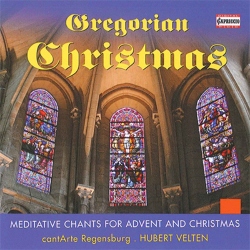
Rorate caeli desuper, introit in mode 4 for the 4th Sunday in Advent
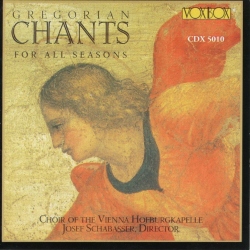
Rorate coeli, introitus (Vierter Adventssonntag) (4th Sunday in Advent)
2:44
4
3:49
5
3:2
6
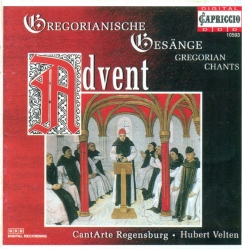
2:44
7
2:37
8
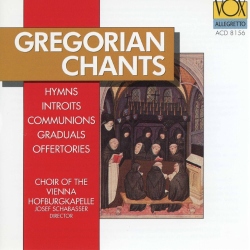
3:18
9
3:18
10
3:19
Featured Music
1
3:8