Thomas Tallis
Ex more docti myistico
Released Album
Recent Album
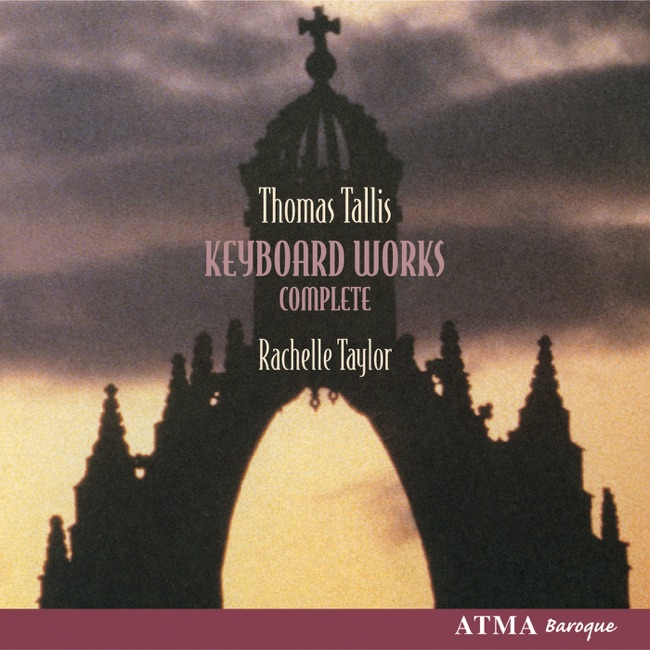
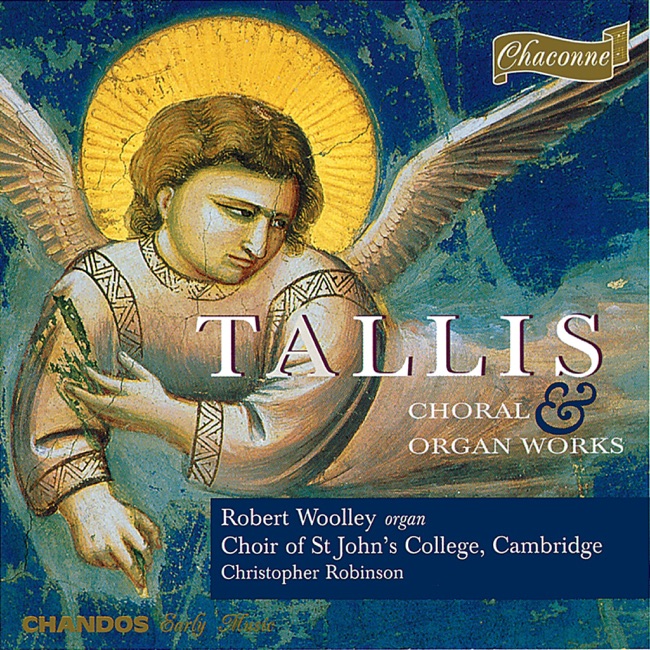
Works Info
Composer:Thomas TallisGenre:KeyboardStyle:HymnAverage_duration:3:46"Ex more docti mystico" is a choral work composed by Thomas Tallis, one of the most prominent English composers of the Renaissance period. The piece was likely composed in the 1560s, during the reign of Queen Elizabeth I, and was likely performed in the Chapel Royal, where Tallis served as a Gentleman of the Chapel. The work is a setting of a Latin text, which translates to "From the mystic teachings of the wise." The text is a hymn of praise to the Holy Spirit, and is often sung during the Pentecost season in the Christian liturgical calendar. "Ex more docti mystico" is composed in four parts, with the voices arranged in a typical Renaissance choral texture of soprano, alto, tenor, and bass. The piece is characterized by its rich harmonies, which are typical of Tallis's style. The harmonies are often complex, with dissonances and suspensions that create a sense of tension and release. The work is also notable for its use of imitation, a technique in which one voice introduces a melody that is then imitated by the other voices. This creates a sense of unity and coherence in the piece, as well as a sense of forward motion. "Ex more docti mystico" is divided into three movements, each of which has its own distinct character. The first movement is slow and contemplative, with a sense of awe and reverence. The second movement is faster and more lively, with a sense of joy and celebration. The final movement returns to the slower tempo of the first, with a sense of peacefulness and serenity. Overall, "Ex more docti mystico" is a beautiful and complex choral work that showcases Tallis's mastery of Renaissance polyphony. Its rich harmonies, use of imitation, and three distinct movements make it a masterpiece of the English choral tradition.More....
Works Music
Released Music