Lorenzo Perosi
Transitus Animae
Released Album
Recent Album
Works Info
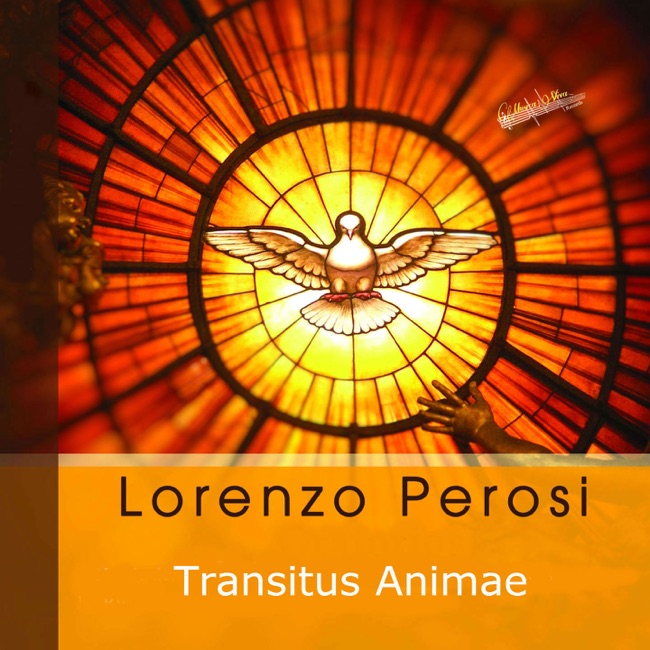
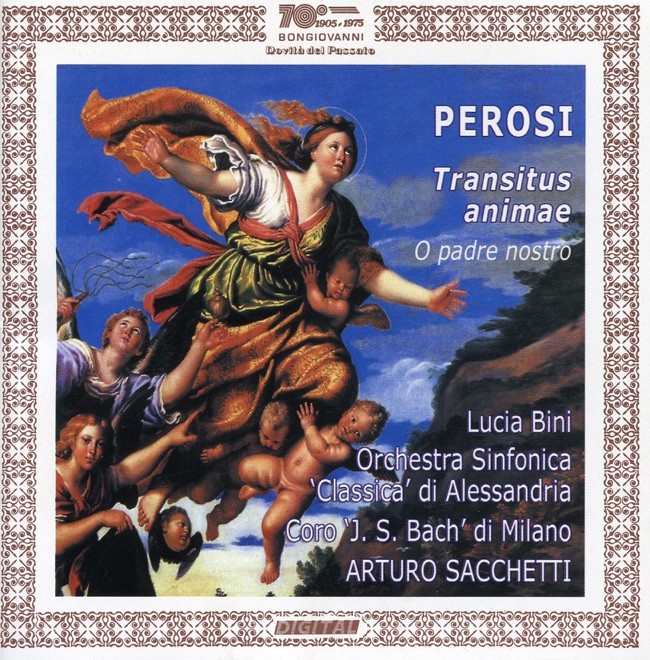
Composer:Lorenzo PerosiGenre:ChoralStyle:OratorioAverage_duration:41:55Transitus Animae is a choral work composed by Lorenzo Perosi, an Italian composer and conductor, in 1908. The piece was premiered on March 29, 1908, at the Basilica of San Marco in Venice, Italy. The work is divided into three movements, each with its own distinct character and musical style. The first movement, titled "Requiem aeternam," is a solemn and mournful piece that sets the tone for the entire work. The second movement, "Dies irae," is a dramatic and intense piece that depicts the Day of Judgment. The final movement, "Lux aeterna," is a peaceful and uplifting piece that offers hope and comfort to the listener. Perosi's use of harmony and counterpoint in Transitus Animae is particularly noteworthy. He employs a variety of harmonic techniques, including chromaticism and modal mixture, to create a rich and complex sound. The use of counterpoint, or the interweaving of multiple melodic lines, is also a prominent feature of the work. Perosi's skillful use of these techniques creates a sense of depth and complexity that is characteristic of his style. Another notable characteristic of Transitus Animae is its use of text painting. Perosi's music is closely tied to the text of the Latin Mass, and he uses musical devices to illustrate the meaning of the words. For example, in the "Dies irae" movement, the music becomes increasingly frenzied and chaotic as the text describes the terror of the Day of Judgment. Overall, Transitus Animae is a powerful and moving work that showcases Perosi's skill as a composer. Its use of harmony, counterpoint, and text painting create a rich and complex musical experience that is both emotionally and intellectually engaging.More....