


Wolfgang Amadeus Mozart
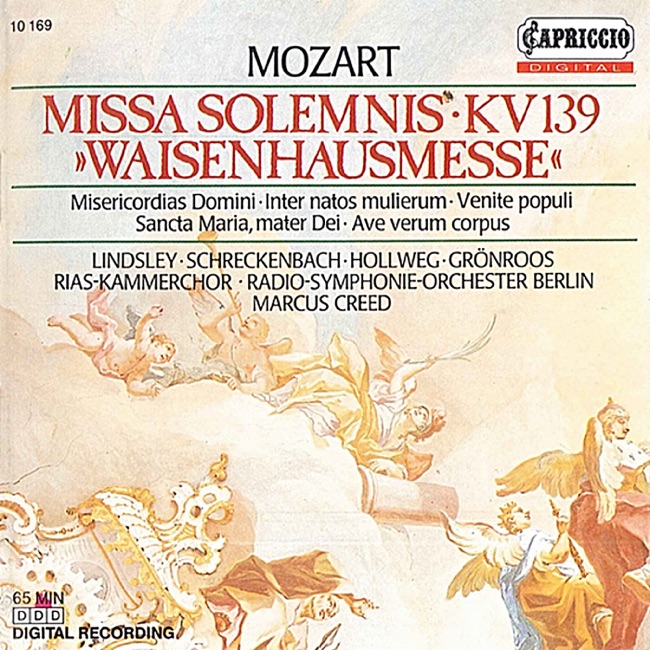
Venite populi, K. 260 (248a)
Released Album
Recent Album
-
-
-
-

-
-
-
-
 Various ArtistsNovember, 2000
 -
Works Info
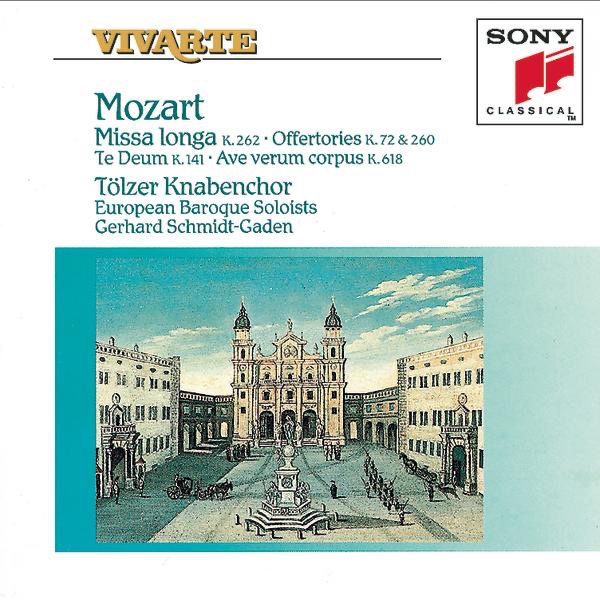
Composer:Wolfgang Amadeus MozartGenre:ChoralStyle:OffertoryCompose Date:1776Average_duration:5:04Venite populi, K. 260 (248a) is a sacred choral work composed by Wolfgang Amadeus Mozart in 1776. The piece was written for the Feast of the Holy Rosary, which was celebrated on the first Sunday of October. The premiere of the work took place on October 7, 1776, at the Church of San Giovanni dei Fiorentini in Rome. The piece is divided into three movements. The first movement is a choral fugue, which begins with the words "Venite populi" (Come, people). The fugue is characterized by its lively and energetic melody, which is passed between the different voices of the choir. The second movement is a soprano aria, which is accompanied by a solo violin. The aria is a prayer to the Virgin Mary, and is characterized by its gentle and lyrical melody. The final movement is a choral hymn, which is based on the traditional hymn "Ave Maris Stella" (Hail, Star of the Sea). The hymn is characterized by its grand and majestic melody, which is sung by the full choir. The piece is notable for its use of counterpoint, which is a technique that involves the interweaving of different melodies. Mozart was a master of counterpoint, and he used it extensively in Venite populi. The piece is also notable for its use of chromaticism, which is a technique that involves the use of notes that are outside of the traditional diatonic scale. Mozart used chromaticism to create a sense of tension and drama in the piece. Overall, Venite populi is a beautiful and powerful work that showcases Mozart's mastery of choral composition. The piece is characterized by its lively melodies, intricate counterpoint, and dramatic use of chromaticism. It remains a beloved work in the choral repertoire to this day.More....
Works Music
Released Music
3
5:1

8
5:37
9
4:56