Stanislas Verroust
Solo de Concert for oboe & piano No. 3, Op. 76
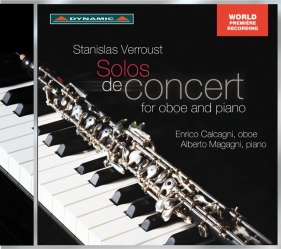
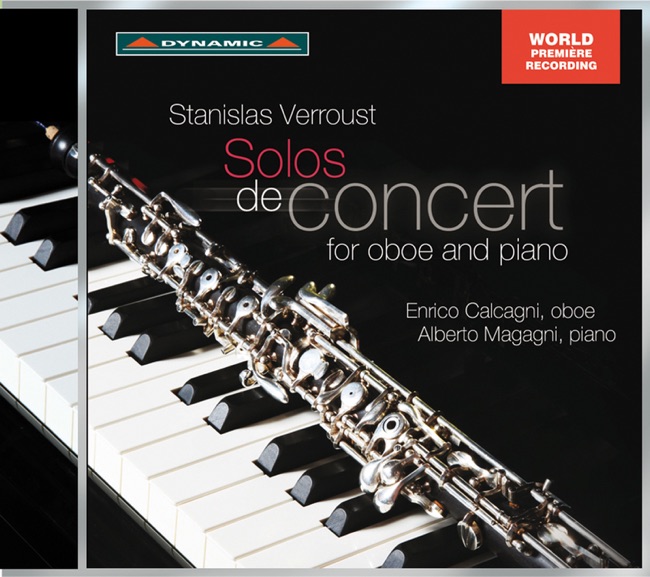
Released Album
Recent Album
Works Info
Composer:Stanislas VerroustGenre:ChamberAverage_duration:7:51Movement_count:3Movement ....Solo de Concert for oboe & piano No. 3, Op. 76 is a composition by French composer Stanislas Verroust. It was composed in the late 19th century and premiered in Paris in 1881. The piece is divided into three movements, each with its own distinct characteristics. The first movement, marked Allegro moderato, is characterized by its lively and energetic tempo. The oboe and piano engage in a playful dialogue, with the oboe taking the lead in the melodic lines. The movement is marked by frequent changes in tempo and dynamics, creating a sense of excitement and unpredictability. The second movement, marked Andante, is a slower and more contemplative piece. The oboe takes on a more lyrical role, with long, flowing lines that are accompanied by the piano. The movement is marked by its expressive and emotional quality, with the oboe conveying a sense of longing and introspection. The final movement, marked Allegro vivace, is a lively and upbeat piece that brings the composition to a rousing conclusion. The oboe and piano engage in a spirited dialogue, with the oboe taking on a more virtuosic role. The movement is marked by its technical demands, with the oboe performing rapid runs and trills that showcase the player's skill and dexterity. Overall, Solo de Concert for oboe & piano No. 3, Op. 76 is a dynamic and engaging composition that showcases the versatility of the oboe as a solo instrument. Verroust's use of contrasting tempos, dynamics, and moods creates a sense of drama and excitement that keeps the listener engaged throughout the piece.More....
Works Music
Released Music