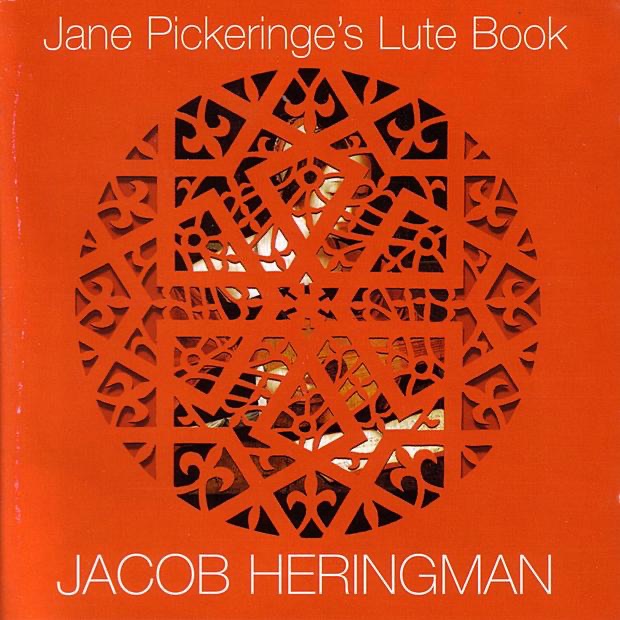
Jane Pickeringe's Lute Book Anonymous
A Toye [Up Tails All] (72)
Released Album
Recent Album
Works Info
Composer:Jane Pickeringe's Lute Book AnonymousGenre:ChamberStyle:Chamber MusicAverage_duration:0:40'A Toye [Up Tails All] (72)' is a piece of music that was composed anonymously and included in Jane Pickeringe's Lute Book. The exact date of composition is unknown, but it is believed to have been written in the late 16th century or early 17th century. The piece is a popular example of Renaissance music and is often performed on the lute or other period instruments. The premiere of 'A Toye [Up Tails All] (72)' is also unknown, but it is likely that it was performed in private settings for the enjoyment of the aristocracy and other wealthy patrons. The piece is a toye, which is a type of instrumental composition that was popular in the Renaissance period. Toyes were often written for the lute or other plucked string instruments and were characterized by their lively and playful nature. 'A Toye [Up Tails All] (72)' is divided into several movements, each of which has its own distinct character and mood. The piece begins with a lively and energetic section that features fast-paced arpeggios and intricate fingerwork. This section is followed by a slower and more contemplative section that features a more melodic and lyrical melody. The third movement of 'A Toye [Up Tails All] (72)' is a lively and playful section that features a series of rapid-fire arpeggios and intricate fingerwork. This section is followed by a more subdued and contemplative section that features a more melodic and lyrical melody. The final movement of 'A Toye [Up Tails All] (72)' is a lively and energetic section that features a series of fast-paced arpeggios and intricate fingerwork. This section is characterized by its playful and joyful nature and is a fitting conclusion to the piece. Overall, 'A Toye [Up Tails All] (72)' is a lively and playful example of Renaissance music that showcases the virtuosity and technical skill of the lute player. The piece is characterized by its intricate fingerwork, rapid-fire arpeggios, and melodic and lyrical melodies. It remains a popular piece of music today and is often performed by musicians who specialize in Renaissance and early music.More....
Works Music