


Wilhelm Friedemann Bach
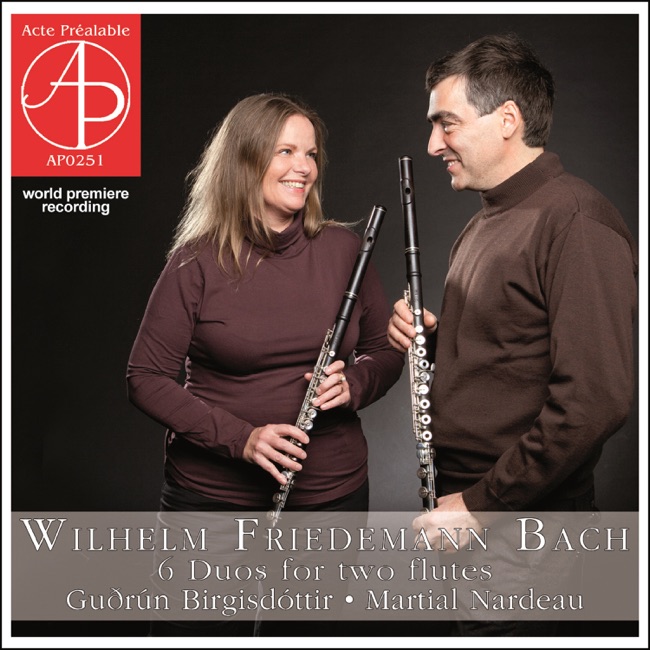
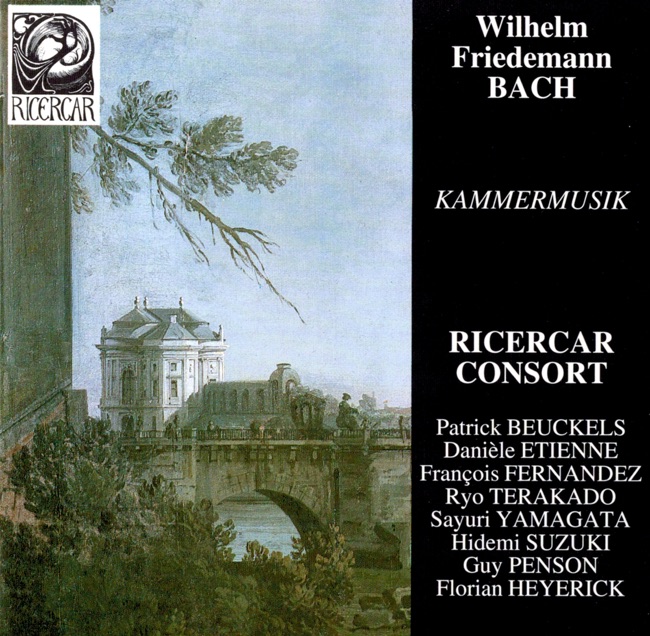
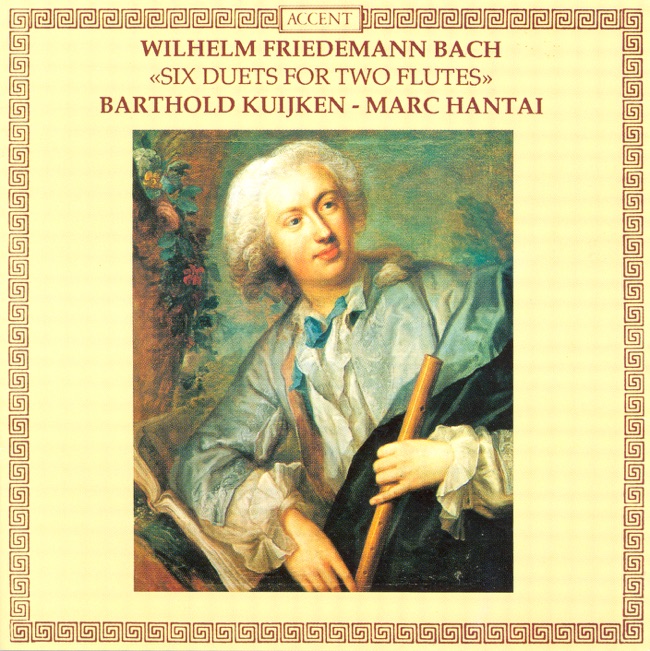
Duet for 2 flutes in E flat major, F. 56 (BR B3)
Released Album
Recent Album
Featured Album
Works Info
Composer:Wilhelm Friedemann BachGenre:ChamberStyle:Chamber MusicPublication Date:1745 - 1770Average_duration:14:58Movement_count:3Movement ....Wilhelm Friedemann Bach, the eldest son of Johann Sebastian Bach, composed the 'Duet for 2 flutes in E flat major, F. 56 (BR B3)' in the mid-18th century. The exact date of composition is unknown, but it is believed to have been written between 1740 and 1760. The duet was premiered during Bach's lifetime, but the exact date and location of the premiere are also unknown. The 'Duet for 2 flutes in E flat major' consists of three movements: Allegro, Adagio, and Presto. The first movement, Allegro, is in sonata form and features a lively and playful melody that is passed between the two flutes. The second movement, Adagio, is a slow and expressive piece that showcases the flutes' ability to create a beautiful and melancholic sound. The final movement, Presto, is a fast and energetic piece that brings the duet to a thrilling conclusion. One of the characteristics of this duet is its use of counterpoint, a technique that was popular during the Baroque period. Counterpoint involves the interweaving of two or more melodies to create a complex and harmonious sound. Bach's use of counterpoint in this duet is particularly impressive, as he manages to create a sense of unity and coherence between the two flutes despite their different melodies. Another characteristic of this duet is its use of ornamentation. Ornamentation involves the addition of decorative notes to a melody, and it was a common technique used by Baroque composers to add interest and complexity to their music. Bach's use of ornamentation in this duet is subtle but effective, adding a layer of sophistication and elegance to the already beautiful melodies. Overall, the 'Duet for 2 flutes in E flat major, F. 56 (BR B3)' is a charming and delightful piece of music that showcases Wilhelm Friedemann Bach's talent as a composer. Its use of counterpoint and ornamentation, combined with its lively and expressive melodies, make it a true gem of the Baroque period.More....
Works Music
Released Music
Featured Music
1
6:10
2
5:44
3
2:46