Alexander Agricola
Si conge prens
Released Album
Recent Album
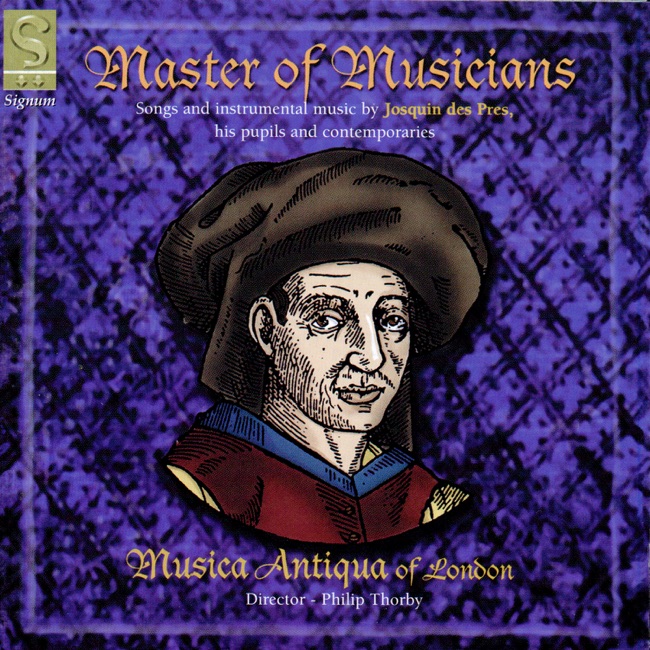
Featured Album
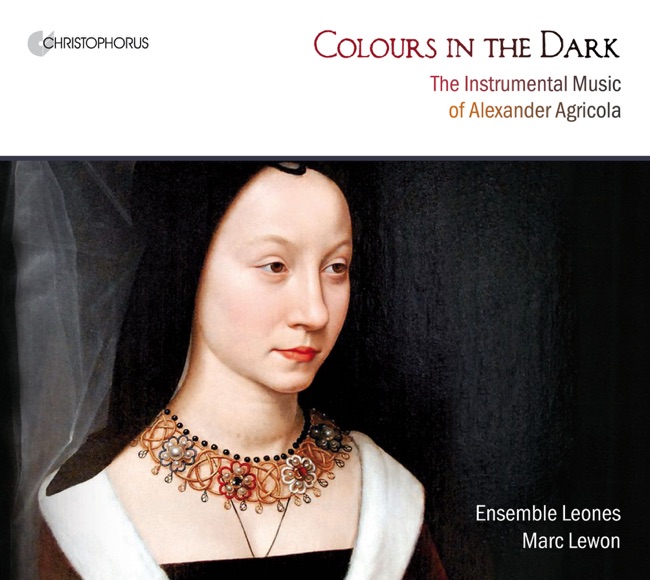
Works Info
Composer:Alexander AgricolaGenre:ChoralStyle:ChoralAverage_duration:1:34"Si conge prens" is a chanson composed by Alexander Agricola, a Flemish composer of the Renaissance era. The piece was likely composed in the late 15th century, and it is believed to have been premiered in the court of Burgundy, where Agricola was employed as a musician. The chanson is written in three movements, each with its own distinct character and mood. The first movement is slow and contemplative, with a mournful melody that is carried by the tenor voice. The second movement is more lively and rhythmic, with a faster tempo and a more upbeat melody. The third movement returns to the slower, more contemplative mood of the first, with a melody that is both haunting and beautiful. One of the most striking characteristics of "Si conge prens" is its use of dissonance. Agricola was known for his innovative use of harmony, and in this piece, he employs a number of dissonant chords and intervals that create a sense of tension and unease. This use of dissonance was a hallmark of the Renaissance era, and it helped to pave the way for the more complex and adventurous harmonies of the Baroque period. Another notable feature of "Si conge prens" is its use of text painting. Agricola was a master of setting text to music in a way that emphasized the meaning and emotion of the words. In this piece, he uses a variety of techniques to bring the text to life, such as using descending melodies to convey sadness and using rising melodies to convey hope. Overall, "Si conge prens" is a beautiful and complex chanson that showcases Agricola's skill as a composer. Its use of dissonance and text painting make it a fascinating example of Renaissance music, and its haunting melodies and contemplative mood make it a timeless masterpiece that continues to captivate listeners to this day.More....