


Albéric Magnard
Sonata for violin & piano in G major, Op. 13
Released Album
Recent Album
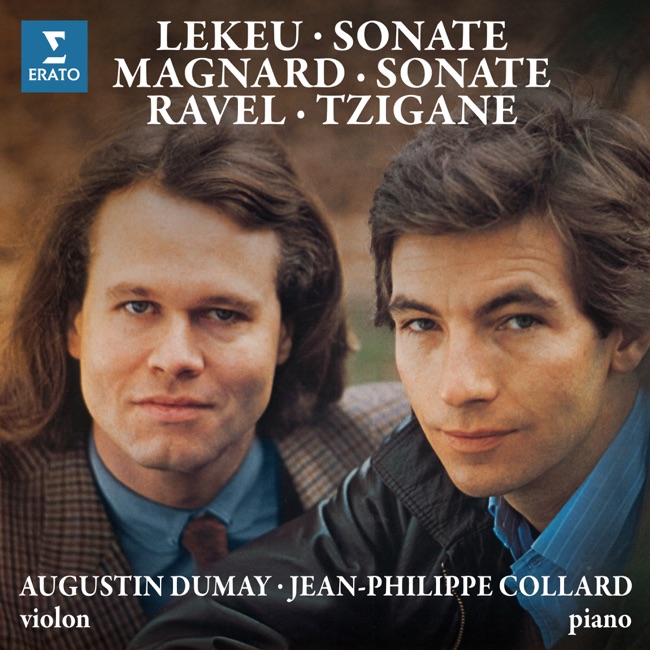
Featured Album
Works Info
Composer:Albéric MagnardGenre:ChamberStyle:SonataCompose Date:1901Average_duration:40:25Movement_count:4Movement ....The Sonata for violin & piano in G major, Op. 13, was composed by Albéric Magnard in 1901. It premiered on January 22, 1902, in Paris, with the composer himself on the piano and the violinist Lucien Capet. The sonata consists of three movements: Allegro moderato, Scherzo, and Finale. The first movement, Allegro moderato, begins with a lyrical and expressive violin melody, which is then taken up by the piano. The two instruments engage in a dialogue, with the violin often taking the lead. The movement is characterized by its rich harmonies and complex rhythms, which create a sense of tension and drama. The second movement, Scherzo, is a lively and playful dance in 3/4 time. The violin and piano engage in a lively and intricate interplay, with the violin often playing rapid runs and trills. The movement is marked by its lightness and humor, and it provides a contrast to the more serious first and third movements. The final movement, Finale, is a virtuosic tour de force for both the violin and piano. It begins with a fast and furious violin solo, which is then joined by the piano. The two instruments engage in a frenzied and complex dialogue, with the violin often playing rapid runs and arpeggios. The movement builds to a thrilling climax, with both instruments playing in unison. Overall, the Sonata for violin & piano in G major, Op. 13, is a complex and challenging work that showcases Magnard's mastery of both the violin and piano. It is characterized by its rich harmonies, complex rhythms, and virtuosic writing for both instruments. Despite its technical demands, the sonata is also marked by its lyricism and expressiveness, making it a beloved work in the violin and piano repertoire.More....
Works Music
Released Music
Featured Music
2
11:37
3
3:54