Michel Corrette
Sonata for cello, viol, bassoon & continuo, Op. 20/5
Released Album
Recent Album
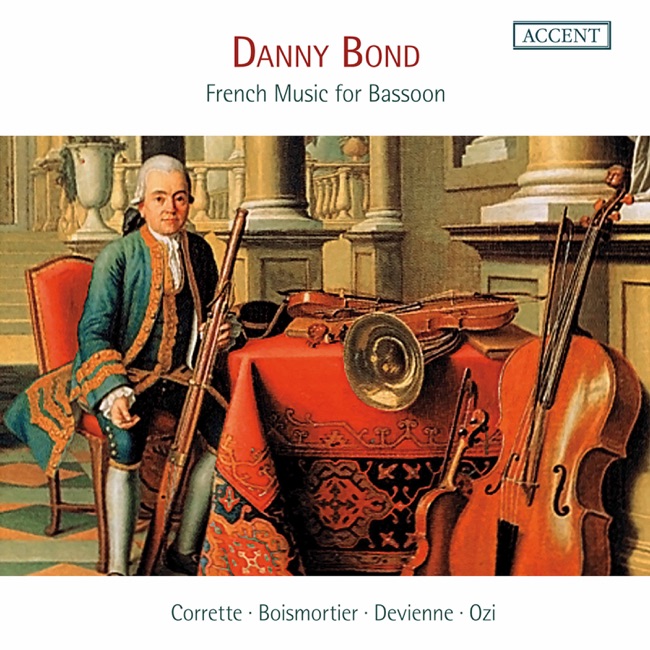
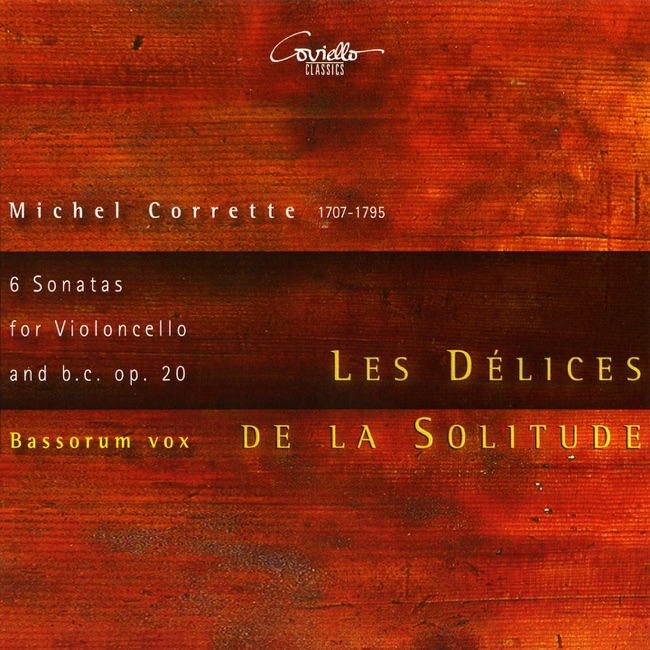
Works Info
Composer:Michel CorretteGenre:ChamberStyle:SonataAverage_duration:6:39The Sonata for cello, viol, bassoon & continuo, Op. 20/5, was composed by Michel Corrette, a French composer and organist, in the mid-18th century. The exact date of composition is unknown, but it is believed to have been written around 1750. The piece was premiered in Paris, where Corrette was based, and quickly gained popularity among musicians and audiences alike. The sonata consists of three movements: an opening Allegro, a slow and expressive Adagio, and a lively and energetic Allegro finale. The piece is written for a unique combination of instruments, including cello, viol, bassoon, and continuo. This combination of instruments was not common during the time period, but Corrette was known for experimenting with different instrumental combinations in his compositions. The first movement, Allegro, is characterized by its fast tempo and lively rhythms. The cello and viol take turns playing the main melody, while the bassoon provides a bass line that adds depth and richness to the overall sound. The continuo, which is typically played on a harpsichord or organ, provides a harmonic foundation for the other instruments. The second movement, Adagio, is a stark contrast to the first. It is slow and expressive, with a melancholic melody that is passed between the cello and viol. The bassoon and continuo provide a subtle accompaniment that adds to the overall mood of the piece. The final movement, Allegro, is a return to the lively and energetic style of the first movement. It features a fast and intricate melody that is shared between all of the instruments. The bassoon and continuo once again provide a solid foundation for the other instruments to build upon. Overall, the Sonata for cello, viol, bassoon & continuo, Op. 20/5, is a unique and innovative piece of music that showcases Corrette's experimentation with different instrumental combinations. Its three movements offer a range of moods and styles, making it a versatile and engaging piece for both performers and audiences.More....
Works Music
Released Music